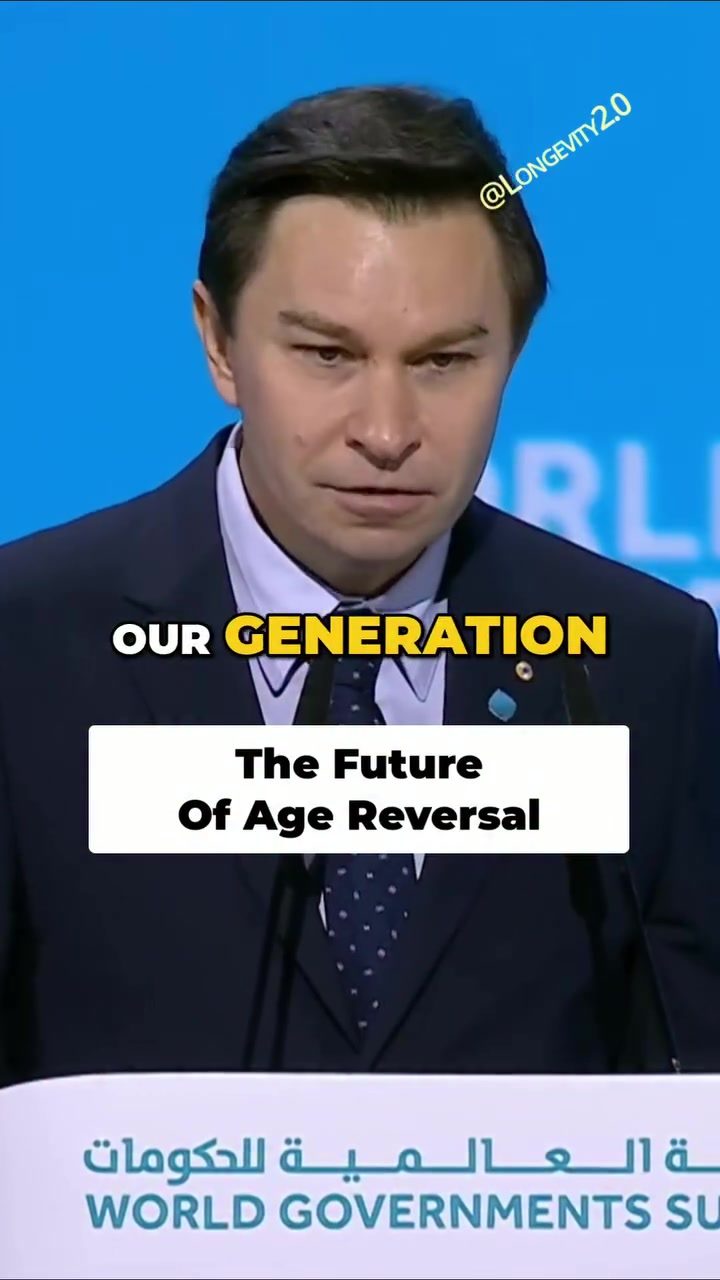
Age Reversal Technology
Aging is one of the most fundamental aspects of life, but what if it could be treated like any other medical condition? Dr. David Sinclair, a renowned researcher in the field of longevity, believes that aging doesn't have to be an inevitable part of life. His groundbreaking work at Longevity20 focuses on the possibility of reversing aging through advanced biological reprogramming techniques. These innovations could mark the most significant change in health since the advent of clean water and vaccines.
Context: Why This Matters
The idea of reversing aging has long been the stuff of science fiction, but recent advancements in medical research are bringing it closer to reality. This isn't just about extending lifespan; it's about improving the quality of life by reversing age-related diseases and restoring youthful function to the body. The potential impact of such technology is profound, offering hope for a future where aging is not only slowed down but potentially reversed.
The Science Behind Age Reversal
Partial Cellular Reprogramming
At the heart of Longevity20's research is the concept of partial cellular reprogramming. This process involves reverting cells to a younger state, effectively resetting the body's biological clock. Dr. Sinclair's lab has demonstrated that this technique can restore function in aged tissues and even reverse signs of aging in mice. The results are staggering: significant improvements in vision and neurological health, among other benefits.
Reversing Aging in Mice
Studies conducted by Dr. Sinclair and his team have shown impressive results in animal models. Mice subjected to partial cellular reprogramming have shown remarkable improvements in various aspects of health. For instance, vision loss, a common age-related issue, has been reversed in these mice. Additionally, models of neurological diseases, such as Alzheimer's, have seen improvements, suggesting a universal reset of cellular function.
Potential for Human Applications
The implications for human health are enormous. While the current research is primarily based on animal studies, the potential for human applications is being actively explored. Clinical trials are in the early stages, and while the results are promising, it's crucial to approach these developments with measured optimism. The therapies involved are still experimental, and their safety and efficacy in humans are yet to be proven.
Practical Tips for Staying Informed
Stay Updated with Longevity Newsletters
Longevity20 offers a free newsletter packed with the latest research and actionable strategies to help you live longer and healthier. Subscribing to such resources can keep you informed about the latest advancements in age reversal technology and how they might benefit you in the future.
Clinical Research
If you're interested in participating in clinical trials, it's essential to stay informed about ongoing research. Keep an eye on reputable sources for updates on human trials and their progress. This will ensure you have the most current information and can make informed decisions about your health.
Important Takeaways
Age Reversal is No Longer Just Science Fiction
The concept of age reversal has moved from the realm of science fiction to scientific reality. While the technology is still in its early stages, the progress made so far is undeniable. Researchers like Dr. David Sinclair are paving the way for a future where aging can be treated and potentially reversed.
Clinical Research is Key
The next decade will be crucial for clinical research in age reversal. Human trials are only just beginning, and their outcomes will determine whether these breakthroughs can be translated from the lab to practical, safe, and effective treatments for people.
Balancing Expectations
It's essential to keep expectations realistic. While the potential benefits are exciting, it's important to remember that these therapies are still experimental and have not yet been proven safe or effective in humans. The journey from lab to human application is long and complex, but the progress made so far is a promising start.
Conclusion
Age reversal technology represents a paradigm shift in how we think about aging. It offers the potential to treat aging as a medical condition, reversing age-related diseases and restoring youthful function to the body. While the journey is still in its early stages, the progress made by researchers like Dr. David Sinclair at Longevity20 is a testament to the incredible possibilities that lie ahead. Staying informed and engaged with the latest developments in this field can help you navigate the future of health and longevity.
Watch the Reel
Questions readers ask
What is the primary goal of the research conducted at Longevity20?
The primary goal of Longevity20, under the leadership of Dr. David Sinclair, is to explore methods to reset the body's biological clock and reverse age-related diseases. This research aims to treat aging as a medical condition, focusing on both extending lifespan and enhancing the quality of life.
Who is Dr. David Sinclair and why is he notable in the field of longevity?
Dr. David Sinclair is a prominent researcher in the field of longevity. He is known for his groundbreaking work on biological reprogramming and his efforts to make aging a treatable condition, similar to other medical issues, thus he is notable for his contributions to this area.
What is partial cellular reprogramming and how does it relate to age reversal?
Partial cellular reprogramming is a technique that involves temporarily reverting cells to a younger, more adaptable state, allowing the body to repair damage and restore function. This process is central to the age reversal research being conducted at Longevity20.
What are the potential implications of Longevity20's work on the future of aging?
The work at Longevity20 could revolutionize how we approach aging, potentially leading to therapies that not only extend lifespan but also significantly improve the quality of life by reversing age-related diseases and health declines.
How do the innovations at Longevity20 differ from traditional anti-aging approaches?
Unlike traditional anti-aging approaches that often focus on symptom management, the innovations at Longevity20 aim to address the root causes of aging through biological reprogramming, offering a more comprehensive and potentially transformative solution.
What are some of the age-related diseases that could potentially be reversed through these treatments?
The treatments being researched at Longevity20 target a wide range of age-related diseases, including but not limited to cardiovascular diseases, neurodegenerative disorders like Alzheimer's, and metabolic conditions such as type 2 diabetes, by potentially reversing the underlying biological aging processes.
What are the next steps in making these age reversal technologies widely available?
The next steps involve further clinical trials and regulatory approvals to ensure the safety and efficacy of these treatments. After this, the focus will be on integrating these therapies into standard medical practices, making them accessible to the broader public.
Related deep dives
Similar reads based on topic and creator.




Recent articles
Fresh deep dives from the latest Reels we unpacked.




Comments
Be the first to comment.