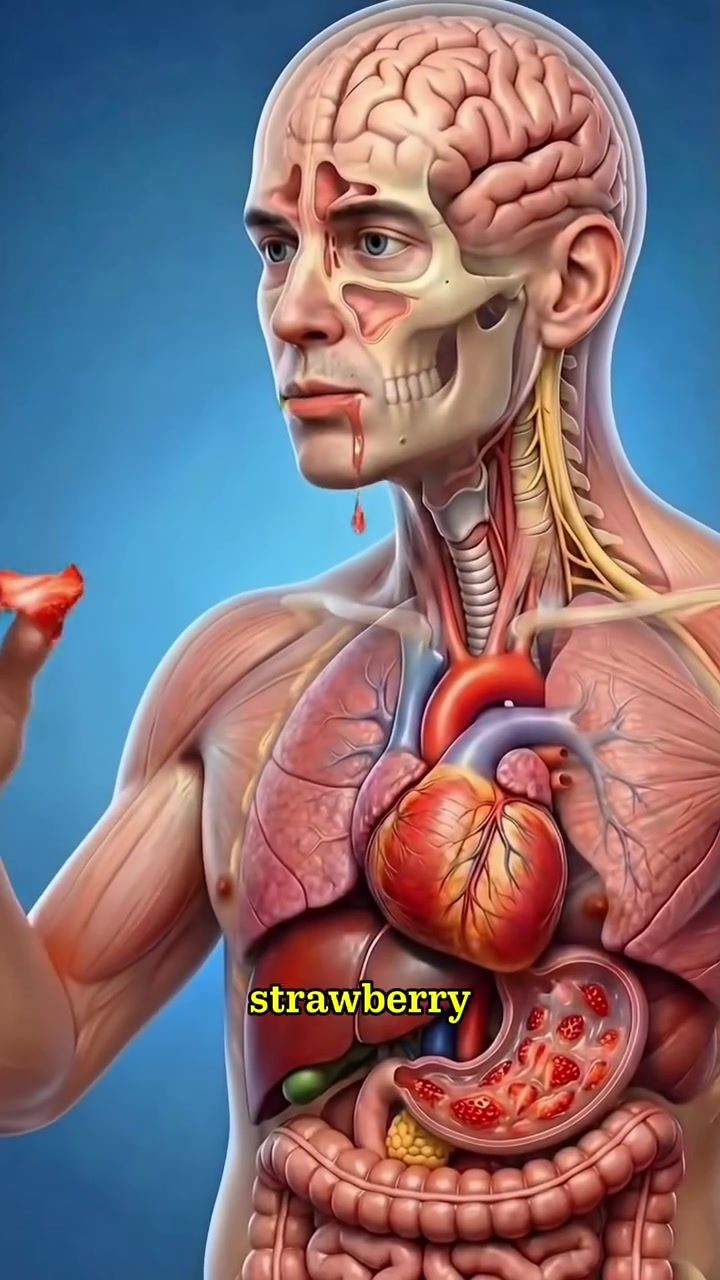
Human Anatomy and Digestion
Understanding how the human body processes food is a fascinating journey that starts with a simple bite. The digestive process involves several key organs and systems working together to extract nutrients from food and distribute them throughout the body.
Why This Matters
The digestive system is crucial for maintaining overall health and well-being. It breaks down food into essential nutrients, which are then used to fuel various bodily functions. From providing energy for physical activity to supporting cognitive functions, the digestive process plays a vital role in our daily lives. This overview will delve into the steps involved in digesting a strawberry, highlighting the intricate workings of the digestive system and its impact on the body.
The Journey of a Strawberry
From the Mouth to the Stomach
When you take a bite of a strawberry, the journey of digestion begins. The strawberry is chewed and mixed with saliva in the mouth, which contains enzymes that start breaking down carbohydrates. This mixture then travels down the esophagus and into the stomach.
Digestive Juices and Mechanical Breakdown
In the stomach, digestive juices, primarily composed of hydrochloric acid and enzymes, mix with the strawberry. These juices break down the strawberry into smaller, softer pieces, creating a mixture called chyme. The stomach muscles contract and relax, mechanically churning and mixing the chyme to further break down the food.
Entering the Small Intestine
The chyme then moves from the stomach into the small intestine, where most of the nutrient absorption occurs. The small intestine is lined with tiny, finger-like projections called intestinal villi. These villi have even smaller projections called microvilli, which greatly increase the surface area available for absorption.
Nutrient Absorption
The intestinal villi absorb nutrients from the strawberry and send them into the bloodstream. These nutrients include sugars, vitamins, and minerals. The absorbed nutrients are then transported through the bloodstream to various parts of the body, where they are utilized for different functions.
The Role of the Liver and Heart
Liver Processing
After absorption, the nutrients first travel to the liver. The liver processes and balances these nutrients, ensuring that the body receives the right amounts of vitamins, minerals, and energy. The liver also performs other crucial functions, such as detoxifying harmful substances and producing bile, which aids in fat digestion.
Heart Circulation
From the liver, the nutrients move to the heart. The heart pumps this nutrient-rich blood throughout the body, delivering essential substances to every cell. This continuous circulation ensures that all organs and tissues receive the nutrients they need to function properly.
Energy Distribution
Brain and Cognitive Function
As the blood reaches the brain, it delivers energy that supports focus and cognitive activity. The brain relies on a steady supply of glucose, a type of sugar, to function optimally. Proper nutrient distribution ensures that the brain has the energy it needs to perform tasks, solve problems, and maintain overall mental well-being.
Muscle and Organ Function
The energy from the nutrients also spreads to muscles and organs across the entire body. Muscles need energy to contract and relax, allowing for movement and physical activity. Organs, such as the lungs, kidneys, and heart, also require a constant supply of nutrients to perform their respective functions effectively.
Practical Tips
While the digestive process is largely automatic, there are practical steps you can take to support and enhance digestion:
Chew Thoroughly
Chewing food thoroughly helps to break it down into smaller pieces, making it easier for the stomach and intestines to process. This also allows for better nutrient absorption and reduces the risk of digestive discomfort.
Stay Hydrated
Drinking plenty of water aids in the digestion process by helping to break down food and move it through the digestive tract. Adequate hydration also prevents constipation and supports overall digestive health.
Include Fiber-Rich Foods
Fiber promotes healthy digestion by adding bulk to the stool and helping food move smoothly through the digestive system. Foods rich in fiber, such as fruits, vegetables, and whole grains, should be included in your daily diet.
Manage Stress
Chronic stress can disrupt the digestive process, leading to issues such as indigestion, bloating, and constipation. Practicing stress management techniques, such as meditation, yoga, or deep breathing exercises, can help to support healthy digestion.
Important Takeaways
The digestive process is a complex and essential function of the human body. From the moment food enters the mouth to its eventual absorption and distribution of nutrients, each step plays a crucial role in maintaining overall health.
Understanding the intricacies of digestion can help you make informed decisions about your diet and lifestyle. By supporting proper digestion, you can enhance your body's ability to absorb nutrients, maintain energy levels, and foster overall well-being.
Conclusion
The journey of a strawberry through the digestive system is a fascinating exploration of the body's intricate processes. From the initial breakdown in the stomach to the absorption of nutrients in the small intestine, and the distribution of energy throughout the body, each step is vital for maintaining health and vitality. By supporting healthy digestion, you can ensure that your body receives the nutrients it needs to function optimally and thrive.
Watch the Reel
Questions readers ask
What are the primary organs involved in the digestive process?
The primary organs involved in the digestive process include the mouth, esophagus, stomach, small intestine, liver, pancreas, gallbladder, and large intestine. Each of these organs plays a specific role in breaking down food and absorbing nutrients.
How does food move through the digestive system?
Food moves through the digestive system through a series of muscular contractions called peristalsis. This process begins in the esophagus and continues through the stomach and intestines, propelling food along the digestive tract.
What happens to nutrients after they are absorbed in the intestines?
After nutrients are absorbed in the intestines, they enter the bloodstream. From there, they are distributed throughout the body, delivering vital nutrients to cells and organs, including the brain and muscles.
How does the stomach contribute to the digestive process?
The stomach plays a crucial role by breaking down food into smaller particles using strong stomach acids and enzymes. This mechanical and chemical breakdown prepares the food for further digestion and nutrient absorption in the small intestine.
Why is intestinal health important for nutrient absorption?
Intestinal health is important because the small intestine is where most nutrient absorption occurs. A healthy intestine ensures that nutrients from food are efficiently absorbed and distributed, supporting overall bodily functions and energy levels.
What is the connection between digestion and energy levels?
Digestion and energy levels are closely connected because the nutrients absorbed from food are used to fuel various bodily functions. Carbohydrates, for example, are broken down into glucose, which the body uses as a primary energy source.
How do nutrient-rich foods benefit the digestive process?
Nutrient-rich foods provide the body with essential vitamins, minerals, and other compounds that support the digestive process. These foods can help maintain a healthy gut microbiome, improve nutrient absorption, and promote overall digestive health.
Related deep dives
Similar reads based on topic and creator.




Recent articles
Fresh deep dives from the latest Reels we unpacked.



Comments
Be the first to comment.