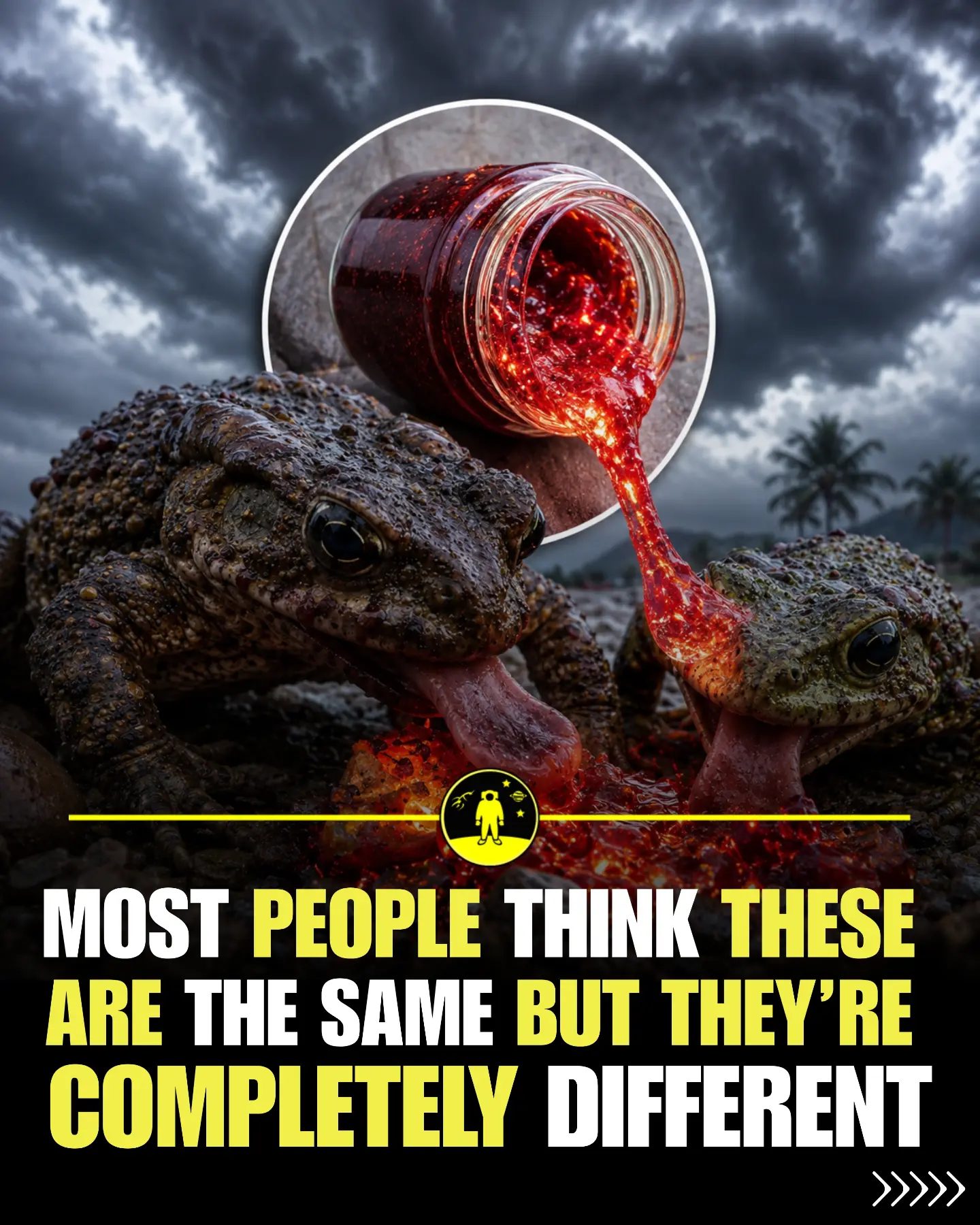
Frogs and Toads: Understanding the Differences
Every day, we encounter various terms and objects that are often confused with one another. Frogs and toads are two such creatures that are frequently mistaken for being the same. Understanding the distinction between these amphibians can enhance our appreciation for the natural world and help us recognize their unique roles in ecosystems.
First, let's dive into the differences between frogs and toads:
Physical Characteristics
Skin Texture and Moisture
Frogs typically have smooth, moist skin, which helps them absorb water and oxygen directly from their environment. This adaptation is crucial for their survival, as it aids in hydration and respiration.
In contrast, toads have drier, bumpier skin that is better suited for terrestrial life. Their skin is less permeable, which helps them retain moisture more efficiently in drier conditions. Additionally, toads often have parotoid glands behind their eyes that secrete a toxic substance to deter predators.
Body Structure
Frogs usually have longer, more slender legs that are well-suited for jumping and swimming. Their bodies are often streamlined, making them agile in aquatic environments.
Toads, on the other hand, have shorter, stockier bodies and more robust legs. This builds structure helps them move more efficiently on land and provides better stability. Toads are less reliant on water for survival than frogs, allowing them to thrive in a wider range of habitats, including deserts and grasslands.
Habitat and Lifestyle
Frogs are often found near water sources, such as ponds, rivers, and wetlands. This proximity to water is essential for their breeding and survival, as their eggs and tadpoles require an aquatic environment to develop.
Toads, however, are more adaptable and can inhabit a variety of environments, including forests, grasslands, and even deserts. Their ability to retain moisture and withstand drier conditions makes them more versatile in terms of habitat.
Reproduction and Life Cycle
Frogs typically lay their eggs in clusters or clumps in water. The eggs hatch into tadpoles, which undergo metamorphosis to develop into adult frogs. This aquatic phase of their life cycle is critical for their survival and reproduction.
Toads, meanwhile, lay their eggs in strings or long chains, often in shallow water. The tadpoles also undergo metamorphosis but are generally more resilient and can survive in drier conditions than frog tadpoles.
Jam and Jelly: Distinguishing the Preserves
While exploring the differences between frogs and toads, it's also worthwhile to distinguish between jam and jelly. These two preservatives are often confused but have distinct characteristics and preparation methods.
Texture and Composition
Jam is made from crushed or chopped fruit, giving it a thicker texture with visible fruit pieces. This chunky consistency is achieved by cooking the fruit with sugar until it reaches a thickened state.
Jelly, on the other hand, is smooth and made primarily from fruit juice. The juice is combined with sugar and pectin, a natural gelling agent found in fruits. This mixture is boiled until it reaches a gel-like consistency, creating a clear and smooth spread.
Flavor and Versatility
Jam offers a richer, more robust flavor due to the presence of fruit pieces and pulp. This makes it ideal for spreading on toast, pairing with cheese, or using as a filling in baked goods.
Jelly, with its smooth texture and milder flavor, is often preferred for layering in sandwiches or pairing with deli meats. Its clear consistency makes it a popular choice for decorating cakes and pastries.
Cracking the Code on Concrete
Concrete, on the other hand, is a staple material in various building tasks. It is a crucial component in construction, infrastructure development, and a wide array of home improvement projects. Understanding the nuances of concrete can significantly enhance building and repair tasks.
The Art of Making Concrete
Concrete is a versatile construction material made by mixing cement, water, sand, and aggregates. The mixing process involves combining the dry ingredients with water to create a workable, moldable mixture that hardens over time. The proportions of these components are carefully adjusted to achieve the desired strength and durability.
The Science Behind Strength
Concrete strength comes from a series of chemical reactions known as hydration. When water is added to cement, a chemical reaction occurs, transforming the mixture into a hard, durable material. The quality and consistency of the concrete depend on factors such as the type of cement, the water-to-cement ratio, and the size and composition of the aggregates.
Cement Versus Concrete: Clarifying the Terms
Cement and concrete are often used interchangeably, but they are not the same thing. Cement is a powdery substance made from heating limestone and clay, which is then ground into a fine powder. It acts as a binder when mixed with water and aggregates to form concrete.
Concrete, on the other hand, is the finished product obtained by combining cement, water, sand, and aggregates. This mixture hardens into a solid, durable material suitable for various construction purposes.
Yams and Sweet Potatoes: Unraveling the Confusion
Yams and sweet potatoes often get confused due to their similar names and appearances, but they are distinct in several ways. Understanding the differences can enhance the culinary experience and ensure the correct use in recipes.
Botanical Differences
Sweet potatoes belong to the morning glory family and are native to Central and South America. They have smooth, edible skin and a vibrant orange flesh, although some varieties may have white or purple flesh.
Yams, on the other hand, are members of the Dioscorea family and are native to Africa and Asia. They have rough, scaly skin and are often lighter in color. Yams are starchy and have a different texture compared to sweet potatoes.
Maze and Labyrinth: Navigating the Differences
Mazes and labyrinths are both complex pathways, but they have distinct designs and purposes. Understanding these differences can enhance the experience of navigating these structures and the appreciation for their historical and cultural significance.
Design and Purpose
A maze typically features multiple paths, choices, and dead ends. The goal is to find the correct route to the exit, often involving trial and error. Mazes are commonly associated with puzzles and challenges, and they can be found in various forms, from hedge mazes in gardens to intricate puzzles on paper.
A labyrinth, on the other hand, follows a single, winding path that leads to the center. Unlike a maze, there are no dead ends or wrong turns, making the journey more about reflection and introspection. Labyrinths have been used for centuries in spiritual and meditative practices, offering a contemplative experience.
Hurricanes, Typhoons, and Cyclones: Understanding Tropical Storms
These powerful weather phenomena are often confused due to their similar characteristics and destructive potential. Understanding the differences can enhance preparedness and safety during these extreme weather events.
Origin and Naming
Hurricanes, typhoons, and cyclones are all the same type of tropical storm, differentiated by their location. Hurricanes form in the Atlantic and Northeast Pacific, typhoons in the Northwest Pacific, and cyclones in the South Pacific and Indian Ocean.
These storms are characterized by their low-pressure centers, strong winds, and heavy rainfall. They develop over warm ocean waters and can cause significant damage to coastal areas.
Important Takeaways
Learning these distinctions helps us better understand the world around us. Whether it's differentiating between frogs and toads, jam and jelly, or mazes and labyrinths, these small details contribute to a more accurate and nuanced view of the world.
Conclusion
By understanding the differences between these commonly confused terms and objects, you can enrich your knowledge and appreciation for the natural world and everyday items. Whether you're navigating a labyrinth, enjoying a jar of jam, or appreciating the unique characteristics of frogs and toads, these distinctions offer a deeper understanding of the world around us.
Watch the Reel
Questions readers ask
What are the main physical differences between frogs and toads?
The primary physical differences lie in their skin texture and body structure. Frogs have smooth, moist skin and longer legs designed for jumping and swimming, while toads possess drier, bumpier skin and stockier bodies adapted for terrestrial movement.
Why is the skin texture of frogs and toads so different?
The skin texture of frogs and toads has evolved to suit their different habitats and lifestyles. Frogs' smooth, moist skin helps them absorb water and oxygen efficiently, which is ideal for their semi-aquatic lifestyle. In contrast, toads' drier, bumpier skin helps them retain moisture better, making them well-suited for drier, terrestrial environments.
How do the habitats of frogs and toads differ?
Frogs are generally found in or near water, as their moist skin requires a humid environment. Toads, on the other hand, are more terrestrial and can be found in a variety of habitats, including gardens, forests, and even deserts, thanks to their drier, more robust skin.
What are the typical body shapes of frogs and toads?
Frogs typically have long, powerful hind legs that enable them to leap great distances and swim efficiently. Their bodies are often slim and streamlined. In contrast, toads have shorter, stouter legs and a more robust, rounded body shape, which is better suited for walking and burrowing on land.
Do frogs and toads have different methods of movement?
Yes, frogs and toads have distinct methods of movement. Frogs use their long legs to jump and swim, making them agile in aquatic and semi-aquatic environments. Toads, with their shorter legs and stockier bodies, are more adapted for walking and burrowing, making them effective terrestrial creatures.
Are there any visual differences between frog and toad habitats?
While both frogs and toads can be found in a variety of environments, frog habitats are often characterized by the presence of water, such as ponds, streams, or marshes, whereas toad habitats are more varied and often include drier landscapes like gardens, woodlands, and even deserts.
Can you find toads in environments where there is no standing water?
Yes, toads can thrive in environments with little to no standing water. Their drier, bumpier skin allows them to retain moisture efficiently, making them well-suited for drier, terrestrial habitats. This is why you might find toads in gardens, forests, and even deserts.
Related deep dives
Similar reads based on topic and creator.



Recent articles
Fresh deep dives from the latest Reels we unpacked.




Comments
Be the first to comment.