Medical Equipment and Unexpected Circumstances
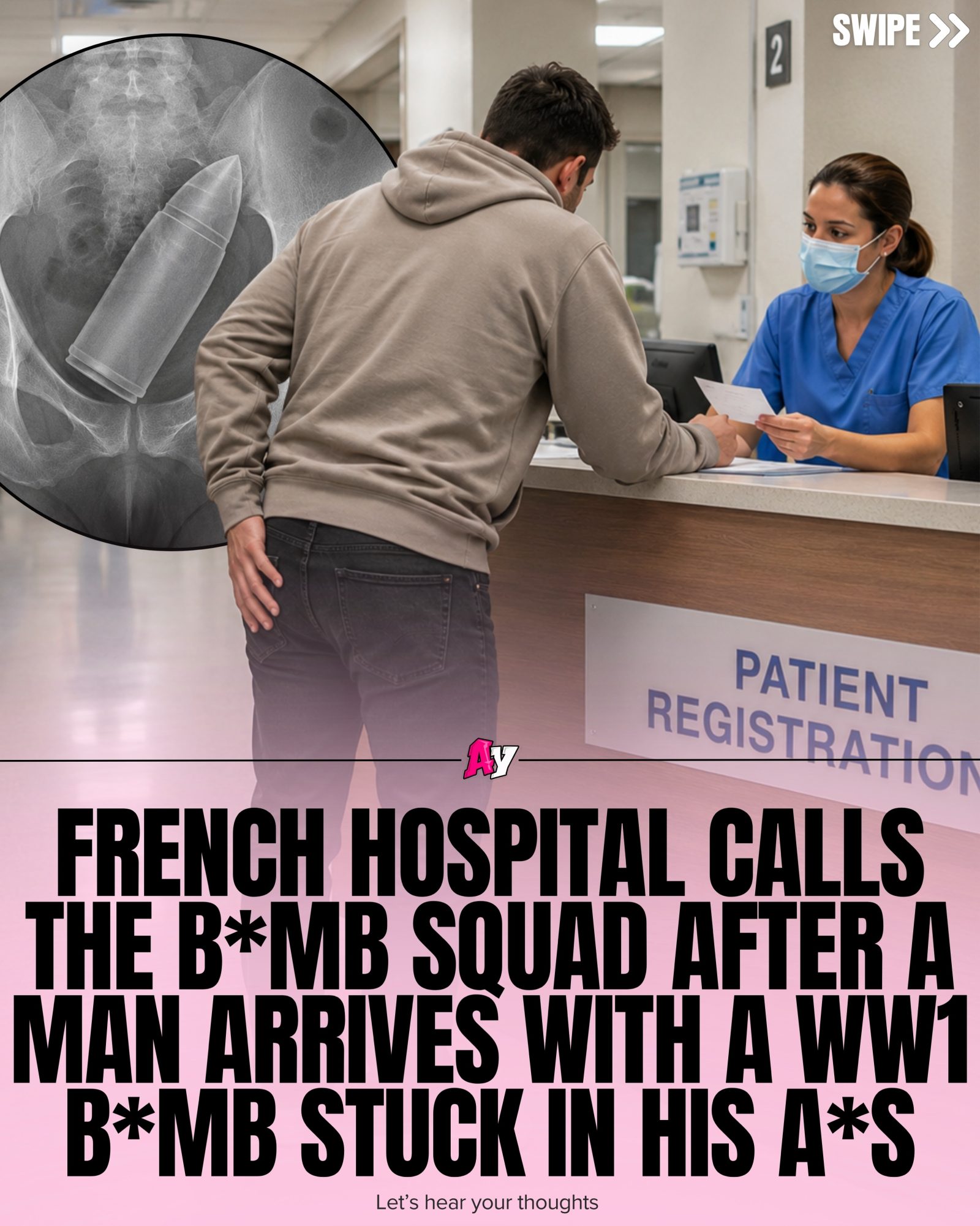
Medical emergencies are often unexpected, but that does not mean they are always ordinary. The case of the man who presented to a French hospital with a World War I bomb lodged in his body serves as an unusual example. This event spotlights the readiness and expertise of medical professionals in handling exceptional circumstances, and how medical equipment must be versatile.
Why This Matters
The rarity of such an event does not diminish its relevance to the field of medicine. This case underscores the importance of preparedness and the multifaceted role of medical equipment. It also highlights the necessity of collaboration between medical professionals and other specialized teams, such as bomb squads. Understanding how medical equipment is used in these extraordinary scenarios provides deeper insight into the adaptability and utility of standard medical tools.
The Medical Emergency in Detail
The Unusual Case
A man arrived at a French hospital with a World War I bomb inside his body. This situation was not just unusual; it was unprecedented. Medical professionals had to navigate a complex scenario that required more than just medical expertise.
Medical Equipment in Action
Medical equipment plays a crucial role in diagnosing and managing such emergencies. The hospital had to rely on advanced imaging tools, such as X-rays, to identify and assess the presence of the unexploded bomb. These tools are essential for visualizing internal structures and foreign objects, ensuring accurate diagnosis and appropriate medical intervention.
Collaboration with Specialized Teams
In this unique case, the hospital had to call in the bomb squad. This collaboration highlights the importance of interdisciplinary cooperation in managing complex medical emergencies. Medical equipment, while crucial, often needs to be complemented by specialized tools and expertise from other fields.
Safety and Precision
Handling a potentially explosive device inside a patient's body requires extreme care. Medical professionals had to ensure the safety of the patient and the staff. This involved carefully maneuvering the bomb and using imaging tools to monitor its position during the extraction process.
Medical Imaging
Medical imaging tools, such as X-rays, are indispensable in such cases. They provide clear visuals of the internal structures, helping medical professionals to plan their actions with precision. The X-ray images of the bomb inside the patient's body are a testament to the power of medical imaging in diagnosing and managing complex medical scenarios.
Practical Tips for Medical Professionals
Preparedness for the Unexpected
Medical professionals should be prepared for the unexpected. This means having a diverse set of skills and being ready to handle unusual cases. Regular training and simulations can help medical staff stay prepared for such emergencies.
Use of Medical Equipment
Familiarity with medical equipment is crucial. Medical professionals should be well-versed in using various tools, from basic imaging devices to advanced surgical instruments. This ensures that they can handle any situation with confidence and precision.
Interdisciplinary Collaboration
Collaboration with other specialized teams is essential. Medical professionals should be open to seeking help from other fields when necessary. This interdisciplinary approach can significantly enhance the management of complex medical emergencies.
Ensuring Safety
Safety should always be the top priority. Medical professionals must ensure the safety of the patient, the staff, and the equipment. This involves careful planning, precise execution, and the use of appropriate safety measures.
Important Takeaways
Medical emergencies, no matter how unusual, require a combination of preparedness, expertise, and the right equipment. The case of the man with a bomb lodged in his body highlights the importance of advanced medical tools, interdisciplinary collaboration, and meticulous planning. This case also underscores the need for continuous training and readiness to handle any situation that may arise.
Conclusion
The medical world is full of unexpected challenges. The case of the man with a World War I bomb inside his body is a testament to the preparedness and expertise of medical professionals. It also highlights the crucial role of medical equipment in managing complex and unusual emergencies. By understanding and learning from such cases, we can better prepare for future challenges and ensure the safety and well-being of patients.
Watch the Reel
Questions readers ask
Why was the French hospital bomb squad called to the hospital?
The French hospital bomb squad was summoned to the hospital after a man arrived with a World War I bomb lodged in his body. This situation required the expertise of both medical professionals and bomb disposal specialists.
What kind of expertise do medical professionals need in these situations?
In such rare and dangerous situations, medical professionals must be prepared to handle unexpected emergencies. This includes being adaptable, competent with versatile medical equipment, and ready to collaborate with specialized teams.
How does a bomb squad assist in a medical emergency like this one?
A bomb squad plays a crucial role in ensuring the safety of both the patient and medical staff. They are responsible for safely removing or neutralizing the explosive device, allowing doctors to focus on the medical aspects of the emergency.
What makes this case an example of interdisciplinary collaboration?
This case showcases interdisciplinary collaboration because it involved the coordinated efforts of medical professionals and a bomb squad. Each team brought their unique expertise to handle the medical emergency and the explosive threat.
Why is it important for medical equipment to be versatile?
Medical equipment needs to be versatile to handle a wide range of unexpected situations, like the case of a patient with a bomb in their body. The right equipment ensures that medical professionals can safely and effectively address diverse and complex emergencies.
How often do incidents like these occur in hospitals?
Incidents where a patient arrives with a bomb lodged in their body are extremely rare. However, every hospital should be prepared for such unusual and dangerous events.
Related deep dives
Similar reads based on topic and creator.

Recent articles
Fresh deep dives from the latest Reels we unpacked.



Comments
Be the first to comment.