Fred the Tortoise: A Tale of Resilience and Innovation
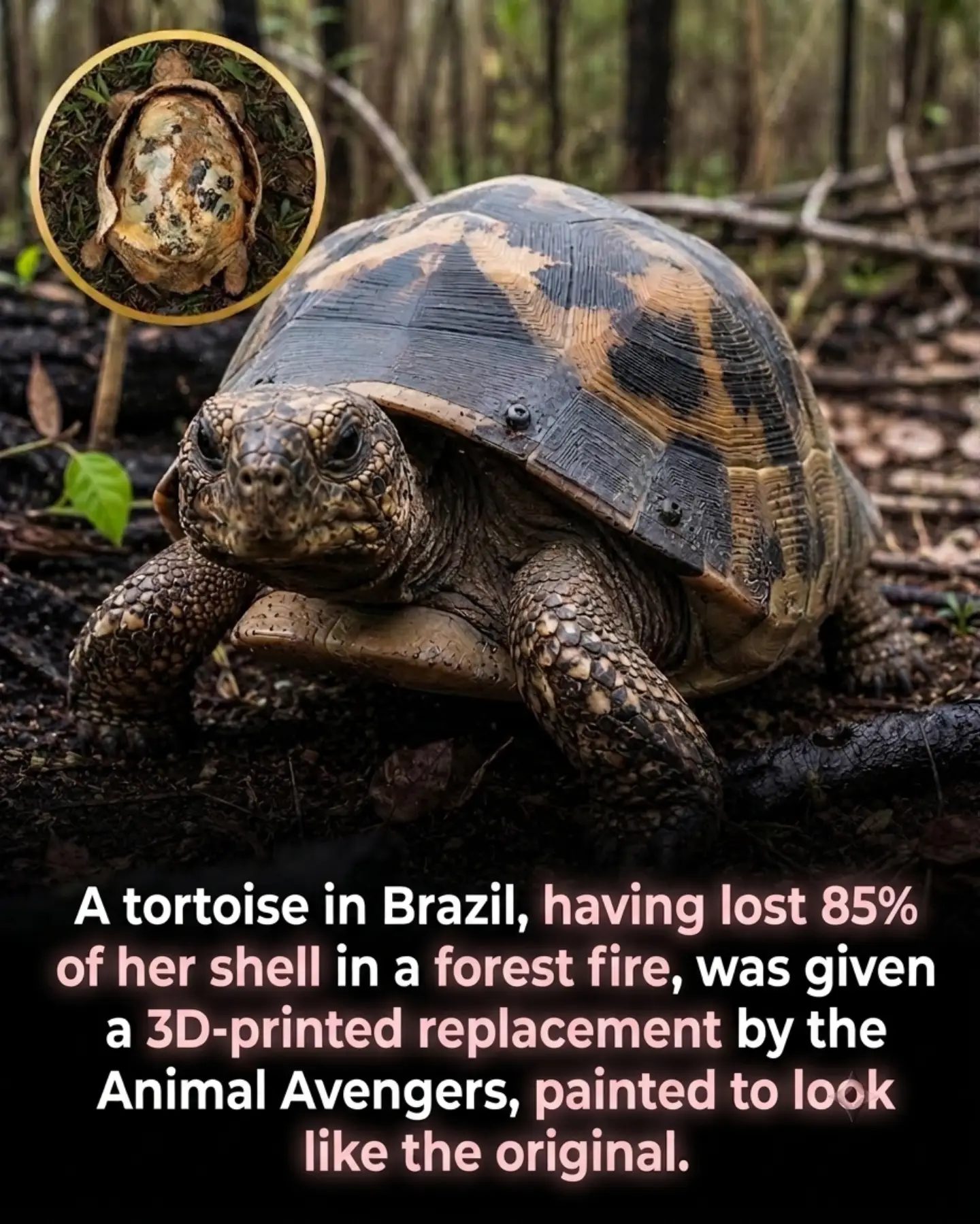
Fred, a tortoise from Brazil, faced a daunting challenge when a forest fire destroyed 85% of her shell. This tragic event was just the beginning of a long journey to recovery. Fred not only survived the fire but also battled pneumonia and endured weeks without food. Her remarkable survival story is a testament to her resilience and the power of human ingenuity.
Why This Matters
Fred's story highlights the intersection of technology, animal rescue, and community effort. The successful implementation of a 3D-printed prosthetic shell not only saved a life but also opened new avenues for using 3D printing in animal welfare. This innovative approach shows how technology can be a lifesaver, literally, in the most unexpected ways.
The Role of 3D Printing in Animal Rescue
The Creation of the Prosthetic Shell
The Animal Avengers, a team of dedicated volunteers, played a pivotal role in Fred's recovery. They created the world’s first 3D-printed prosthetic tortoise shell. The shell was custom-built using corn-based bio-plastic, an eco-friendly material that ensures the shell is both durable and environmentally sound.
The Design and Aesthetic Considerations
The 3D-printed shell was not just a functional replacement but also a work of art. A local artist hand-painted the shell to match Fred's original appearance. This attention to detail was crucial for ensuring that Fred could live a normal life without drawing unwanted attention from predators or other animals.
The Process and Technology Behind the 3D-Printed Shell
Materials and Sustainability
Corn-based bio-plastic is a sustainable alternative to traditional plastics. It is biodegradable and eco-friendly, making it an ideal choice for this kind of application. The material's durability ensures that the shell can withstand the rigors of a tortoise's natural habitat.
Customization and Precision
3D printing allows for precise customization. The shell was designed to fit Fred's body perfectly, ensuring comfort and functionality. The technology enabled the creation of a shell that not only matched the original in appearance but also in form and function.
Practical Tips for Using 3D Printing in Animal Rescue
Collaboration and Expertise
Collaboration between animal rescuers, veterinarians, and 3D printing experts is crucial. The Animal Avengers' success with Fred demonstrates the value of interdisciplinary teams. Each member brings unique skills and knowledge to the table, leading to innovative solutions.
Ethical and Environmental Considerations
When choosing materials, it's essential to consider their environmental impact. Opting for sustainable materials like corn-based bio-plastic ensures that the solution is not only effective but also eco-friendly. This approach can inspire more environmentally conscious practices in animal rescue efforts.
Important Takeaways
Fred's story is a beacon of hope and innovation. It showcases how human ingenuity and collaborative efforts can lead to groundbreaking solutions in animal rescue. The successful application of 3D printing technology in creating a prosthetic shell for a tortoise opens new possibilities for using similar techniques in other animal rescue scenarios.
The Power of Community
The role of community and volunteer efforts cannot be overstated. The Animal Avengers' dedication and hard work made Fred's recovery possible. This highlights the importance of community support in animal rescue efforts, emphasizing that collective action can achieve extraordinary results.
Innovation in Animal Welfare
Innovative approaches like 3D printing are transforming the realm of animal welfare. They provide new methods for treating and rehabilitating animals, offering them a better chance at a healthy and normal life. Fred's story serves as a reminder that technology, when used for good, can produce incredible outcomes.
Conclusion
Fred's journey from a devastating forest fire to a happy recovery is a testament to the power of human ingenuity and community support. The use of 3D printing in creating a custom prosthetic shell not only saved Fred's life but also demonstrated the potential of this technology in animal rescue. Her story inspires us to think creatively and collaboratively, pushing the boundaries of what is possible in animal welfare.
Watch the Reel
Questions readers ask
How did 3D printing technology help Fred the Tortoise?
3D printing technology was instrumental in creating a custom prosthetic shell for Fred, replacing the 85% of her shell that was destroyed in a wildfire. This prosthetic shell served as both a medical necessity and a protective covering, enabling Fred to heal and thrive.
What challenges did Fred face after the wildfire?
After the wildfire, Fred faced severe health challenges, including pneumonia, and endured weeks without food. Despite these obstacles, her resilience and the support of her caretakers helped her recover.
What role did community effort play in Fred's rescue and recovery?
Community effort was crucial in Fred's rescue and recovery. The collaboration between veterinarians, 3D printing experts, and animal welfare groups was essential in designing and implementing the prosthetic shell, showcasing the power of collective action in animal rescue.
How does Fred's story demonstrate the potential of 3D printing in animal care?
Fred’s story highlights how 3D printing can revolutionize animal care by providing custom solutions for injured or disabled animals. It opens new possibilities for creating prosthetics and other assistive devices tailored to individual needs.
What materials are typically used in 3D-printed animal prosthetics?
The materials used in 3D-printed animal prosthetics, like Fred's shell, are often lightweight, durable, and biocompatible. Common materials include polymers and resins that are safe and effective for long-term use by animals. The specific material may vary depending on the animal's needs and the design of the prosthetic.
Related deep dives
Similar reads based on topic and creator.

Recent articles
Fresh deep dives from the latest Reels we unpacked.




Comments
Be the first to comment.