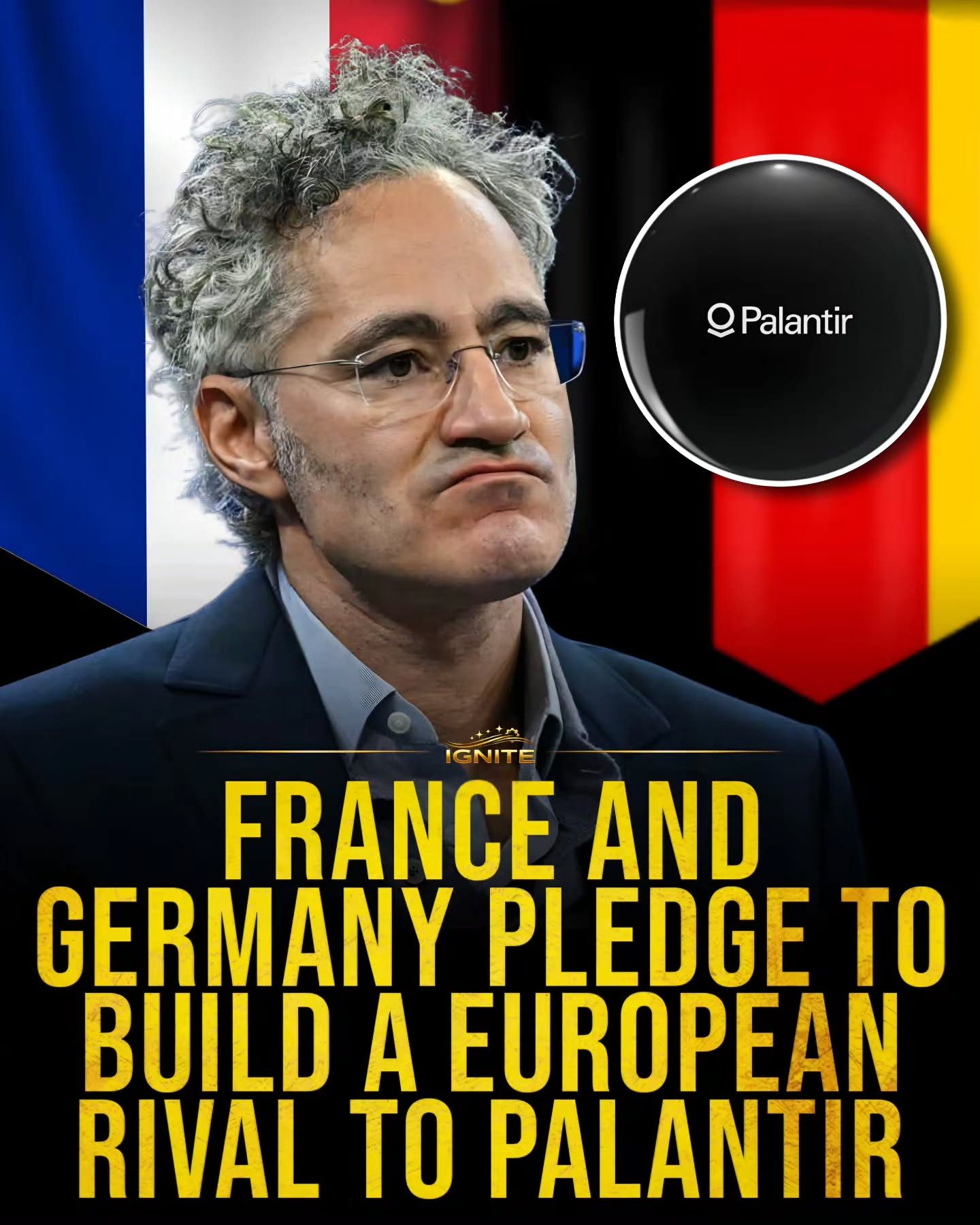
The European Pledge: France and Germany's Push for a Palantir Competitor
France and Germany have made a significant move in the tech industry by pledging to collaborate on a project aimed at creating a European alternative to Palantir. This initiative signals a concerted effort to enhance European technological sovereignty and reduce reliance on foreign software solutions.
Context: Why This Matters
France and Germany are among the leading nations in the European Union, so their collaboration on a tech project of this magnitude is a significant development. The goal is to develop a homegrown alternative to Palantir, a U.S.-based software company known for its data analytics and intelligence platforms, used extensively by government agencies and defense sectors. By building a European rival, France and Germany aim to foster technological independence and strengthen the region's digital infrastructure.
Main Discussion
The Need for European Tech Sovereignty
The push for a European alternative to Palantir is driven by the increasing recognition of the importance of technological sovereignty. In recent years, governments worldwide have realized the strategic value of data and the need to control their digital infrastructure. By developing a European rival, France and Germany aim to ensure that their data remains within the continent, adhering to European regulations and standards.
The Role of Palantir
To understand the significance of this pledge, it's essential to grasp the capabilities of Palantir. Palantir's software solutions are renowned for their ability to integrate and analyze vast amounts of data, providing critical insights to various sectors, including defense, intelligence, and law enforcement. The company's tools have been instrumental in counter-terrorism efforts, financial crime detection, and resource management. However, the reliance on foreign technology can pose risks related to data security and sovereignty, making the development of a European alternative a strategic priority.
Key Components of the European Pledge
Collaboration and Shared Resources
The success of this initiative hinges on the collaboration between France and Germany. Both countries bring unique strengths to the table, including advanced research institutions, a robust tech industry, and substantial government support. By pooling their resources, they can accelerate the development of a competitive software solution that meets European needs.
Security and Compliance
One of the primary goals of the European alternative is to ensure that it complies with European data protection regulations, such as the General Data Protection Regulation (GDPR). This strict compliance will be a selling point for government agencies and organizations that prioritize data security and privacy. Additionally, the alternative will need to integrate seamlessly with existing European infrastructure, ensuring smooth adoption and implementation.
Practical Tips
For professionals and organizations in the tech industry, the European pledge presents several opportunities:
- Stay Informed: Keep an eye on developments related to the European alternative to Palantir. This project could reshape the data analytics landscape in Europe, offering new tools and solutions.
- Engage with European Tech Communities: Participate in conferences, webinars, and workshops focusing on European tech initiatives. This engagement can provide valuable insights and networking opportunities.
- Adapt to Regulatory Changes: Ensure that your organization is prepared for any regulatory shifts that may arise from the introduction of a new European software solution. Compliance with European data protection laws will be crucial.
Important Takeaways
The collaboration between France and Germany to create a European rival to Palantir is a bold step towards achieving technological sovereignty in Europe. This initiative underscores the importance of data control and security, as well as the need for European solutions that can compete on a global scale. By focusing on compliance, collaboration, and innovation, France and Germany aim to set a new standard for data analytics and intelligence platforms.
Conclusion
The European pledge represents a significant milestone in the quest for European technological independence. By developing a homegrown alternative to Palantir, France and Germany are paving the way for a future where European data remains within European control. This initiative not only strengthens the region's digital infrastructure but also sets a precedent for future collaborations in the tech sector. The coming years will be pivotal as we watch this project unfold, shaping the landscape of data analytics and intelligence in Europe.
Watch the Reel
Questions readers ask
Why are France and Germany collaborating to create a rival to Palantir?
France and Germany are collaborating to create a European alternative to Palantir to foster European tech sovereignty. The focus is on enhancing data security, improving digital infrastructure, and reducing dependence on foreign software solutions.
What are the primary goals of the France-Germany tech alliance?
The primary goals are to bolster European technological independence, develop a homegrown data analytics platform, and strengthen the region's digital infrastructure. The alliance aims to create a robust alternative to Palantir, particularly for use in government and defense sectors.
How does this initiative impact European data security and regulation?
The initiative aims to enhance European data security by developing a software solution that aligns with European regulations and data protection standards. This will give Europe greater control over its data and reduce reliance on foreign technologies.
What makes this collaboration significant within the European Union?
This collaboration is significant because it involves two of the EU's leading nations, France and Germany. Their joint effort sends a strong message about the importance of European tech development and the need for a unified approach to digital sovereignty.
What specific benefits does this project aim to provide for European digital infrastructure?
The project aims to fortify European digital infrastructure by creating a reliable, secure, and compliant data analytics platform. This will support various sectors, including government, defense, and potentially other industries, with a locally developed solution.
How does a European alternative to Palantir align with broader European tech initiatives?
A European alternative to Palantir aligns with broader initiatives by reinforcing the region's commitment to technological independence, enhancing data security, and ensuring compliance with European regulations. This project is part of a larger effort to strengthen Europe's position in the global tech landscape.
What challenges might France and Germany face in developing this alternative?
The challenges include ensuring the platform meets high standards of data security and compliance, gaining traction and adoption among users who may already rely on Palantir, and navigating the complexities of tech development on a large scale. Collaboration between the two nations will be crucial in overcoming these obstacles.
Related deep dives
Similar reads based on topic and creator.




Recent articles
Fresh deep dives from the latest Reels we unpacked.




Comments
Be the first to comment.