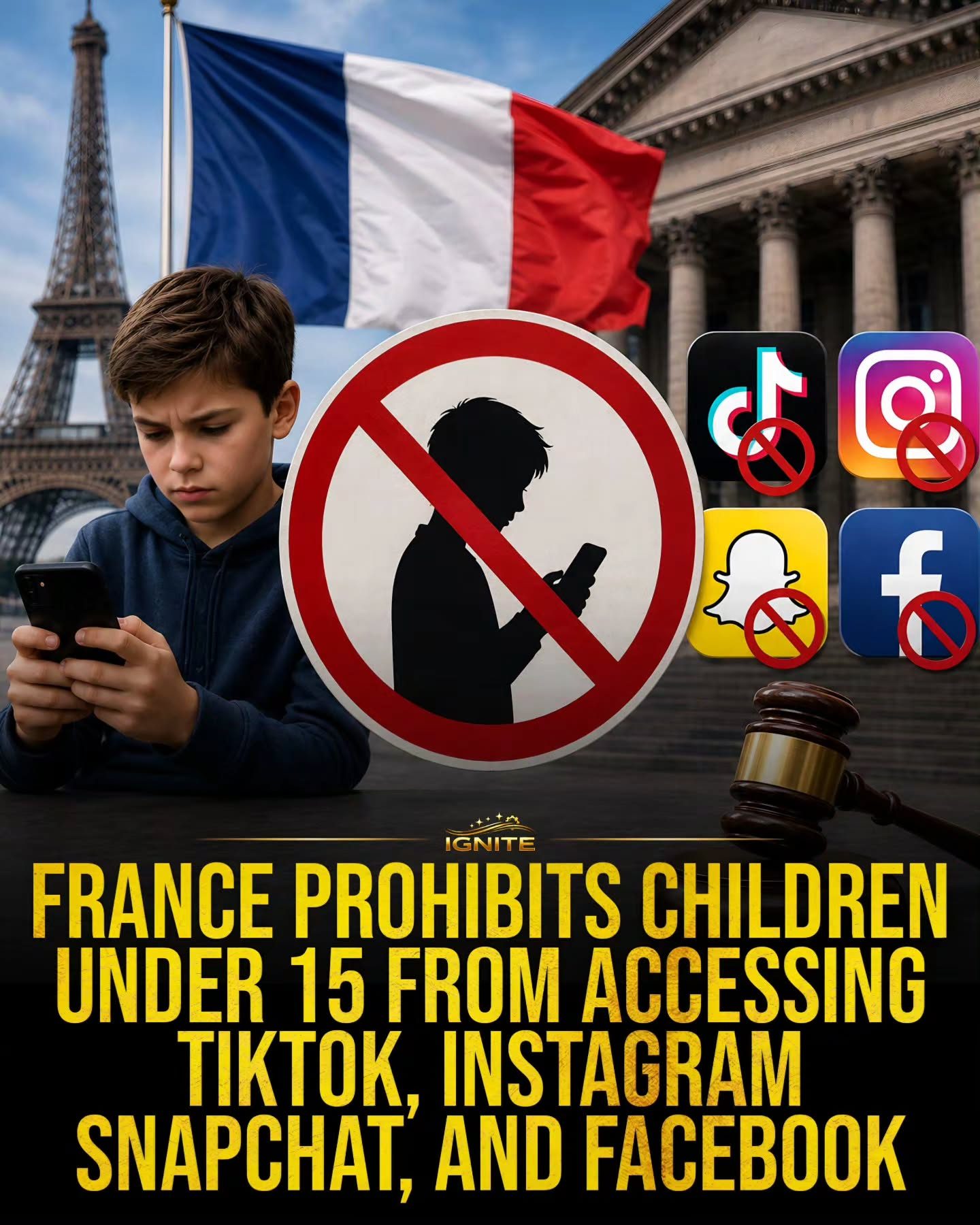
France's Ban on Social Media for Children
France has implemented a significant policy aimed at restricting minors' access to popular social media platforms. This decision, which impacts children under 15, prohibits them from using TikTok, Instagram, Snapchat, and Facebook. The ban reflects growing concerns about the impact of social media on young minds and underscores the importance of digital safety and privacy for children.
Context / Why This Matters
The digital landscape has evolved rapidly, and with it, the ways in which children interact with technology. Social media platforms have become integral to daily life, offering both opportunities and challenges. For children, these platforms can provide a wealth of information, entertainment, and social connection. However, they also expose young users to potential risks, including cyberbullying, exposure to inappropriate content, and the misuse of personal data.
France's decision to ban social media access for children under 15 is a proactive step towards protecting young users. It highlights the need for stricter regulations and greater parental involvement in monitoring online activities. This move also sets a precedent for other countries grappling with similar issues.
Main Discussion
The Implications of the Ban
The ban on social media for children under 15 in France is a multifaceted issue with several implications. Firstly, it aims to mitigate the risks associated with early exposure to social media. Children under 15 are particularly vulnerable to the negative impacts of social media, including mental health issues, sleep disturbances, and reduced attention spans. By restricting access, France hopes to safeguard the well-being of its younger population.
The Role of Parents and Guardians
Parental involvement is crucial in this context. The ban encourages parents and guardians to take a more active role in monitoring their children's online activities. This includes setting age-appropriate boundaries, discussing the potential dangers of social media, and encouraging healthy digital habits. While the ban provides a regulatory framework, parental oversight remains essential.
The Impact on Social Media Platforms
Social media platforms like TikTok, Instagram, Snapchat, and Facebook will also feel the impact of this ban. These platforms will need to adapt their policies and features to comply with the new regulations. This may include implementing stricter age verification processes, enhancing privacy settings, and developing features that promote safer usage for younger users. Additionally, platforms may face increased scrutiny and potential fines if they fail to comply.
The Global Context
France's move is part of a broader global trend towards stricter regulations on social media. Other countries, such as the United Kingdom and the United States, have also introduced measures to protect children online. These measures range from age verification requirements to stricter data protection laws. France's ban adds to this growing momentum, highlighting the need for international cooperation in addressing the challenges posed by social media.
The Importance of Digital Literacy
The ban also underscores the importance of digital literacy. As technology becomes more integrated into daily life, it is essential for children to develop the skills and knowledge needed to navigate the digital world safely. This includes understanding how to protect personal information, recognize and avoid online threats, and use technology responsibly. Digital literacy programs in schools and communities can play a vital role in preparing children for a digitally connected future.
Practical Tips
For Parents and Guardians
- Set Clear Boundaries: Establish clear rules and boundaries for social media use, including time limits and appropriate content.
- Monitor Online Activities: Regularly check your child's online activities and discuss any concerns you may have.
- Use Parental Control Tools: Utilize parental control features on devices and apps to limit access and monitor usage.
- Encourage Open Communication: Foster an open and honest dialogue about the potential risks and benefits of social media.
For Social Media Platforms
- Implement Age Verification: Use robust age verification methods to ensure that users comply with age restrictions.
- Enhance Privacy Settings: Provide users with easy-to-use privacy settings that allow them to control their data and interactions.
- Develop Safer Features: Create features that promote safer usage, such as content filters and reporting tools for inappropriate content.
- Educate Users: Provide resources and tools to educate users about the importance of digital safety and privacy.
For Educators
- Integrate Digital Literacy: Incorporate digital literacy into the curriculum to help students develop the skills needed to navigate the digital world safely.
- Promote Responsible Use: Encourage responsible use of technology and discuss the potential risks and benefits of social media.
- Collaborate with Parents: Work with parents and guardians to ensure a consistent approach to digital safety and privacy.
Important Takeaways
France's decision to ban social media for children under 15 is a significant step towards protecting young users from the potential risks of online platforms. This ban highlights the need for stricter regulations, greater parental involvement, and enhanced digital literacy. By addressing these issues, we can create a safer and more responsible digital environment for our children.
Conclusion
The ban on social media for children under 15 in France is a proactive measure to safeguard the well-being of young users. It underscores the importance of digital safety, privacy, and parental involvement. As we navigate the complexities of the digital age, it is essential to prioritize the protection of our children and promote responsible use of technology. By working together, we can create a safer online environment for future generations.
Watch the Reel
Questions readers ask
Why did France implement a ban on social media for children under 15?
France implemented this ban to protect young users from potential online harms, such as cyberbullying, and to prevent exposure to inappropriate content. The goal is to promote digital safety and privacy for children by restricting access to these platforms.
Which social media platforms are affected by France's new regulations?
The ban specifically targets TikTok, Instagram, Snapchat, and Facebook. Children under 15 in France are now prohibited from using these platforms.
What are the new age restrictions for social media use in France?
In France, children under 15 years of age are not permitted to use the specified social media platforms. This age restriction is a key component of the new regulations aimed at enhancing online safety for young users.
How does this ban impact digital safety for children in France?
The ban is designed to mitigate risks associated with early exposure to social media, including cyberbullying and inappropriate content. It encourages greater parental involvement in monitoring children's online activities and promotes a safer digital environment.
What role do parents play in enforcing this new regulation?
Parents are encouraged to be more involved in their children's online activities. While the ban provides a regulatory framework, parental oversight and guidance are crucial in ensuring that children under 15 do not access these platforms and are protected from potential online harms.
Related deep dives
Similar reads based on topic and creator.




Recent articles
Fresh deep dives from the latest Reels we unpacked.




Comments
Be the first to comment.