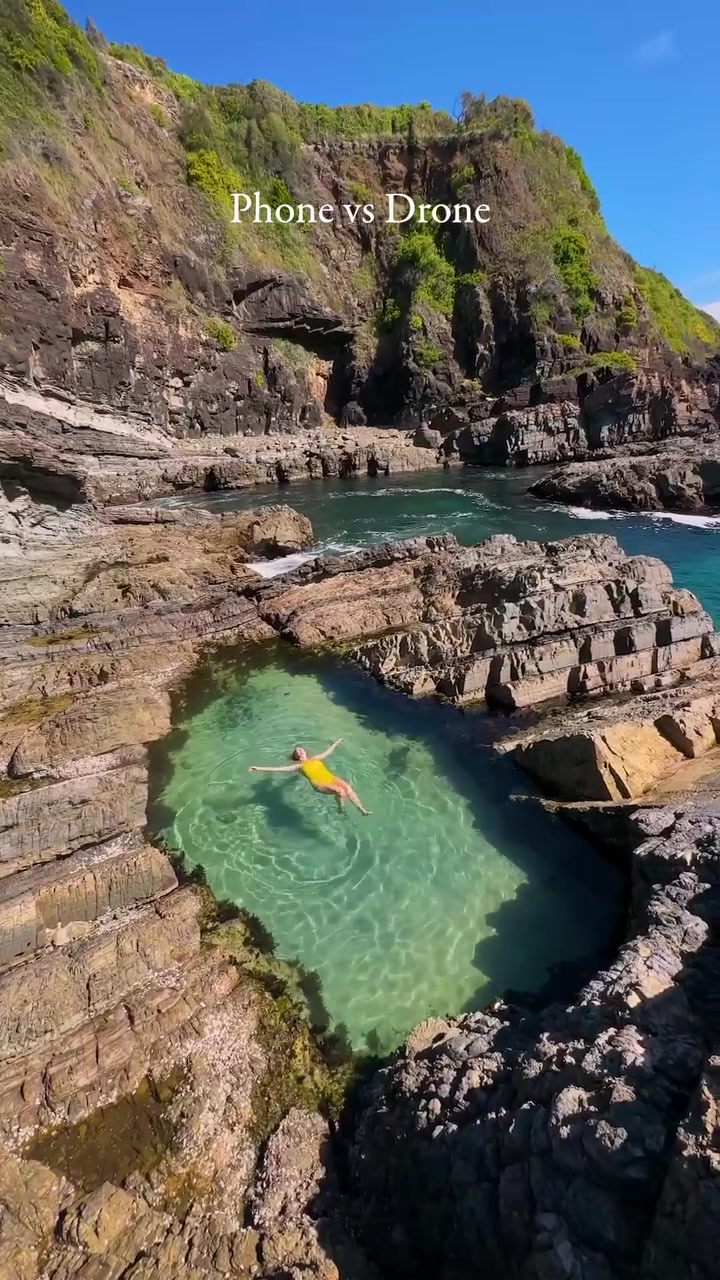
Hidden Rock Pools: The Aquatic Secret of Forster, Australia.
Rock Pools Offer a Secluded Nature Experience
Hidden within the rugged shorelines of Australia's Forster town, rock pools provide a unique and intimate experience for both locals and tourists. These natural formations are not mere pools of water trapped between rocks— they are miniature ecosystems teeming with marine life. Their key appeal is that they are hidden, separated from the broader ocean. They are the antithesis of crowded beaches, offering a secluded, tranquil experience. They often manifest as small, clear pockets of water in contrast to the rugged and rough terrains. Rock pool swimming entails much more than splashing around. It's diving into a natural wonderland. Each pool varies in size and depth, making them exciting to explore. Typically, rock pools are shadier, cooler, and more calm than the ocean. Swimming in a rock pool feels like swimming in a private sanctuary. The solitude will give you that feeling of disconnecting from the chaos of the outdoors and finding pure serenity.
In the Australian Coastal Vogue: Rock Pools
The trend of venturing for rock pools is gaining traction in coastal areas in Australia. These pools are not only beautiful. They are also affordable, accessible, nature-friendly, and offer an experience of bonding with nature. The trend is consistent with the growing emphasis on eco-friendly tourism and the desire for unique, off-the-beaten-path experiences. However, before embarking on a rock pool adventure, the experience requires planning. Part of the adventure is the journey to the pools. Users need to carefully plan a route and arrive at the right time. Be aware of the changes in the ocean tides, as rock pools can be covered in water during high tides.
The Magic of Forster Rock pool
The rocky pool in Forster, New South Wales illustrates what makes rock pools special. Forster is not a traditional tourist destination, rather a quintessential Australian coastal experience. When the tide is low, the pool is a sanctuary for marine creatures, such as starfish, crab, and small fish. The allure of this pool lies in its clear, turquoise water, surrounded by rugged, mossy rocks. The rock formations create a natural barrier, offering a sense of isolation from the rest of the world.
What Separates Rock Pools?
The experience of swimming in these pools is notably different from traditional ocean swimming. Instead of dealing with waves, swimmers here navigate rocks, experiencing the raw beauty and challenge in nature. The terrain around these pools is naturally rugged and uneven. Human interaction with rock pools is a delicate balance. The pools are a fragile ecosystem, requiring protection. They must be given space, reverence, and care. They are sanctuaries for marine life, and therefore, humans must walk carefully and leave traces of their visit. Human activity in the pool should be minimal, respecting the wildlife and environment. This consideration is a part of the experience.
The Two Sides: Phone Versus Drone
The visual difference between the cameras used influences the way you view the pool. The phone camera captures the human immersion in nature. There is a tactile feel, as the angle from a phone is the viewer's eye level. The drone camera instead offers an awe-inspiring aerial perspective. Viewers can feel the scale of pool and rock formations. The drone view is more like capturing a painting than an experience.
From Capricorn to Forster
In Australia, rock pools are a defining feature of the coastline, from Lands End in Capricorn to the Forster pool. These pools are natural attractions. They are not manufactured, and their untouched beauty provides locals and tourists with a unique nature experience. The Forster pool, in particular, is gaining popularity for its crystal-clear waters and secluded location. Every pool in the area adds to the richness of the cultural heritage, awakening human senses to the beauty of nature, and making them a popular destination for adventure seekers.
Plan Your Own Rock Pool Adventure
Preparation and Staying Safe
- Check the Tides: The tide level determines the accessibility to some pools. Always check the local tide timetable before heading out. Swimming in rock pools requires knowing the tide to avoid drowning.
- Wear Suitable Footwear: If the tide is high, the pool and the surrounding rocks can be slippery. Wear suitable shoes to protect your feet against sharp rocks or hard sand. The shoes should be waterproof to protect your feet while swimming.
- Respect the Ecosystem: Rock pools are home to a variety of marine life and delicate ecosystems. Be mindful of the eco-sensitivity of the pools, avoid disturbing the wildlife, and leave no debris behind. The experience of swimming in a rock pool is a unique, intimate, and memorable experience. The swim, however, should be taken in a safe and environmentally friendly way.
Watch the Reel
Questions readers ask
What exactly is a rock pool and how does it differ from a regular beach?
A rock pool is a natural, often secluded body of water trapped between rocks along the shoreline. Unlike beaches, which are typically open and sandy, rock pools are smaller, more intimate, and offer a unique, calm swimming experience amidst a rugged landscape. They are distinct ecosystems teeming with marine life, providing a tranquil and secluded environment.
What makes the Forster Rock Pool special compared to other rock pools?
The Forster Rock Pool stands out due to its clear, turquoise water and the rugged, mossy rock formations that surround it. When the tide is low, it becomes a sanctuary for various marine creatures, offering a unique and serene experience. The pool's natural barrier provides a sense of isolation, making it a hidden gem in the Forster area.
How can I plan a visit to a rock pool like the one in Forster?
Planning a visit to a rock pool involves careful consideration. You need to map out a route to the pool and time your visit according to the ocean tides, as high tides can cover the pools. It's also important to respect the environment, as rock pools are delicate ecosystems that require protection and minimal human interaction.
What kind of marine life can I expect to see in the Forster Rock Pool?
The Forster Rock Pool is home to a variety of marine creatures, including starfish, crabs, and small fish. These creatures thrive in the calm, clear waters of the pool, especially when the tide is low. The pool's natural barrier helps create a sanctuary for these marine life forms, providing a unique opportunity for visitors to observe them in their natural habitat.
How does the experience of swimming in a rock pool differ from swimming in the ocean?
Swimming in a rock pool is notably different from traditional ocean swimming. Instead of navigating waves, you'll encounter rugged, uneven terrain. The experience is more intimate and secluded, offering a sense of tranquility and connection with nature. It's also important to navigate the rocks carefully and respect the marine life.
Related deep dives
Similar reads based on topic and creator.




Recent articles
Fresh deep dives from the latest Reels we unpacked.


Comments
Be the first to comment.