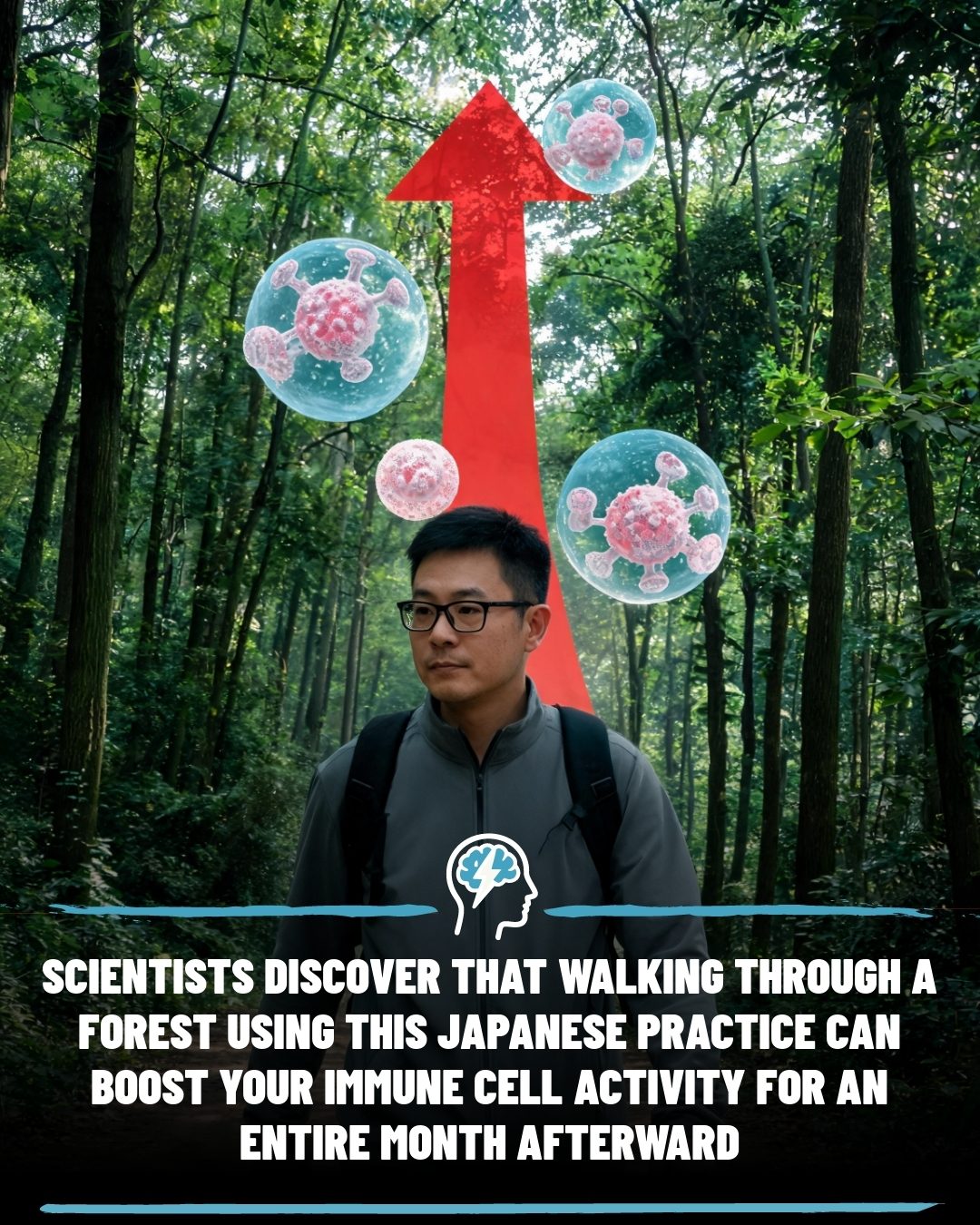
Immune System Boost through Forest Bathing
Forest bathing, or Shinrin Yoku, is a Japanese practice that has gained attention for its potential to boost immune system function. This practice involves immersing yourself in a forest environment, engaging all five senses, and allowing the natural surroundings to promote relaxation and well-being.
Context / Why this matters
In today’s fast-paced world, finding natural ways to enhance immune function and reduce stress is more important than ever. Forest bathing offers a simple and accessible method to achieve these benefits. Unlike intense exercise or rigorous wellness regimens, forest bathing requires minimal effort and can be integrated into daily life with ease.
Main discussion
The Science Behind Forest Bathing
Scientists have found that spending time in forests, particularly through the practice of Shinrin Yoku, can significantly boost immune cell activity. This effect is attributed to the release of organic compounds called phytoncides by trees. These compounds are natural oils that trees use to protect themselves from insects and rot. Evergreens like cedar and pine are particularly rich in phytoncides.
When you breathe in these compounds during a forest walk, your body responds by increasing the activity of natural killer (NK) cells. These cells are a type of white blood cell that plays a crucial role in fighting viruses and tumor cells. Studies have shown that forest bathing can lead to higher levels of anti-cancer proteins, lower stress hormones (such as adrenaline and noradrenaline), and improved sleep quality and duration.
Benefits of Forest Bathing
One of the most intriguing findings is that the benefits of forest bathing can last for up to a month after the initial exposure. Participants who spent just three days and two nights in a forest showed elevated immune activity above baseline levels for more than four weeks. Even shorter forest walks, such as a two-hour stroll in a local park, have been shown to positively affect blood pressure and heart rate variability.
The relaxation aspect of forest bathing is not new. What sets Shinrin Yoku apart is the discovery that these benefits persist long after leaving the forest. This longevity makes it a valuable practice for maintaining overall health and well-being.
The Mind-Body Connection
The Japanese practice of Shinrin Yoku emphasizes the mind-body connection. Lowering cortisol levels, the stress hormone, allows the immune system to function more effectively. By stepping away from daily stressors and immersing yourself in nature, your body can shift from a state of "fight or flight" to "rest and digest." This shift can lead to a more balanced and resilient immune system.
How to Practice Shinrin Yoku
Practicing Shinrin Yoku is straightforward and requires no special equipment or intense physical effort. The key is to move slowly and engage all five senses. Listen to the sounds of the forest, observe the details of the trees and plants, and breathe deeply to take in the natural aromas. Pay attention to the sensation of the ground beneath your feet and the feel of the breeze on your skin.
By making forest bathing a regular habit, you can experience the calming effects long after you leave the trail. The practice doesn’t require long hikes or intense walks; simply being present in the forest and allowing your senses to connect with the environment can be highly beneficial.
Practical tips
Finding the Right Forest
To get the most out of forest bathing, choose a forest or wooded area that you find appealing and comfortable. Local parks, nature reserves, and even small patches of woods can be effective. The key is to find a place where you can fully immerse yourself in nature without distractions.
Engaging All Five Senses
During your forest walk, take the time to engage all five senses:
- Sight: Look closely at the details of the trees, plants, and wildlife around you.
- Sound: Listen to the natural sounds of the forest, such as the rustling of leaves or the chirping of birds.
- Smell: Breathe deeply to take in the natural aromas of the forest, including the scent of pine needles or damp earth.
- Touch: Feel the texture of the trees, leaves, and other natural elements.
- Taste: If you come across edible plants (e.g., berries), consider tasting them carefully (ensure you know what you are eating to avoid any risks).
Mindful Movement
Move slowly and deliberately, allowing yourself to fully absorb the environment. There is no need to follow a set path or destination; the goal is to be present in the moment and connect with nature. If you find yourself wandering, take a moment to pause, breathe, and reconnect with your surroundings.
Creating a Routine
To maximize the benefits, make forest bathing a regular part of your routine. Even short walks can have a significant impact on your immune function and overall well-being. Aim for at least one forest walk per week, or more if possible.
Important Takeaways
- Forest bathing, or Shinrin Yoku, involves immersing yourself in a forest environment to promote relaxation and well-being.
- Phytoncides, organic compounds released by trees, boost immune cell activity when inhaled.
- The benefits of forest bathing can last for up to a month after the initial exposure.
- Engage all five senses and move slowly to fully experience the forest environment.
- Regular forest bathing can enhance immune function, reduce stress, and improve sleep quality.
Conclusion
Forest bathing is a simple yet powerful practice that offers numerous health benefits. Whether you spend a few hours or a few days in a forest, the effects on your immune system and overall well-being can be profound. By incorporating forest bathing into your routine, you can harness the natural healing power of the forest and enjoy a more balanced, stress-free life.
Watch the Reel
Questions readers ask
What exactly is Shinrin Yoku and how does it work?
Shinrin Yoku, or forest bathing, is a Japanese practice that encourages you to engage all your senses in a forest environment. By simply being present in nature—walking slowly, touching trees, listening to birds, and smelling the woods—you can reduce stress and enhance your immune function. The practice involves no strenuous activities, making it accessible to people of all ages and fitness levels.
How does forest bathing boost my immune system?
Forest bathing has been shown to boost the activity of natural killer cells, which are a key part of your immune system’s defense mechanism. By spending time in a forest environment, you can also reduce stress hormones like cortisol, which can negatively impact immune function. This leads to a more robust immune system overall.
Do I need to do anything specific during forest bathing?
Forest bathing is about mindfully engaging with your natural surroundings. This can include activities like slow walks, deep breathing exercises, and simply sitting quietly and observing nature. The key is to focus on your senses and allow the forest to promote relaxation and well-being.
How long do I need to spend in the forest to see benefits?
Even a short walk in the woods can provide benefits. Studies have shown that as little as 2 to 4 hours in a forest environment can lead to improvements in immune function and stress reduction. For long-term benefits, regular forest bathing sessions are recommended.
Can I practice forest bathing in any woodland area?
Ideally, you should choose a forest or woodland area that is rich in biodiversity and free from pollutants. National parks, state forests, and other protected natural areas are excellent choices. Urban parks can also work, especially if they have a good number of trees and greenery.
What are some specific forest bathing activities I can try?
Activities can include mindful forest walks, where you focus on the sensations of walking and the environment around you. You can also try deep breathing exercises, where you inhale deeply through your nose and exhale slowly through your mouth, while standing or sitting in a serene spot in the woods. Touching tree bark, smelling the plants, and listening to the sounds of nature are also great activities.
Can forest bathing have long-term health benefits?
Yes, regular forest bathing can have long-term benefits. Studies indicate that consistent exposure to forest environments can lead to sustained improvements in immune function, reduced stress levels, and enhanced overall well-being. This can contribute to better long-term health outcomes and a greater sense of vitality.
Related deep dives
Similar reads based on topic and creator.



Recent articles
Fresh deep dives from the latest Reels we unpacked.




Comments
Be the first to comment.