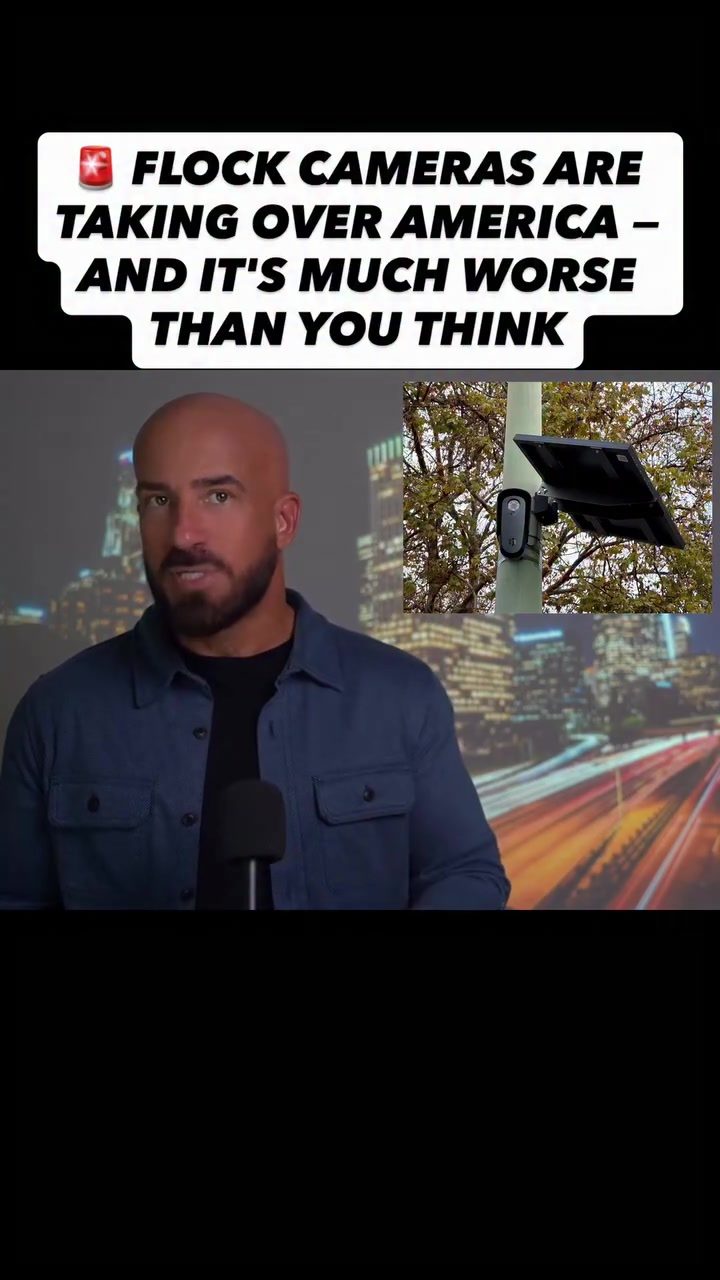
Flock cameras, a surveillance technology designed for license plate recognition, have been expanding rapidly across the United States. This expansion raises significant privacy concerns and questions about the true intentions behind their deployment.
The Rise of Flock Cameras
Flock cameras were initially introduced to monitor license plates and help catch criminals. However, their capabilities and applications have evolved far beyond their original purpose. In February 2024, the number of Flock cameras was relatively low. By June 2025, there was a significant increase in their deployment, and by March 2026, the number had exploded. This rapid proliferation has led to a surveillance grid that is becoming increasingly pervasive.
The cameras, which initially focused on license plates, are now equipped with high-quality microphones. This addition allows them to pick up audio from their surroundings, essentially turning them into eavesdropping devices. In South Korea, these cameras have already been used to enforce energy lockdowns by policing who is allowed on the streets. This raises serious questions about the potential misuse of such technology in other parts of the world, including the United States.
The Pervasive Presence of Flock Cameras
One of the most alarming aspects of Flock cameras is their presence in remote and seemingly unmonitored areas. For instance, they can be found in the Richland Wildlife Management Area in Florida, miles away from any towns or subdivisions. This area is typically frequented by hunters, fishermen, and families enjoying the outdoors—a place where one would not expect to find surveillance cameras. The question arises: Why are these cameras situated in such locations? The answer may lie in the broader strategy of creating an all-encompassing surveillance network.
Why the Rapid Adoption?
The adoption of Flock cameras by states and cities across the U.S. can be attributed to several factors. Politicians see these cameras as a cost-effective way to keep an eye on citizens 24/7 while also helping to reduce the number of people sent to prison. The business model of Flock cameras is centered around providing a cheaper alternative to traditional law enforcement methods. By monitoring and collecting data on citizens, politicians can save money and resources that would otherwise be spent on jails and prisons.
However, this approach raises significant ethical and practical concerns. The concept of prison, while flawed, is intended to rehabilitate or at least contain individuals who have committed crimes. Surveillance cameras, on the other hand, do not address the root causes of criminal behavior or provide a pathway for rehabilitation. Instead, they create a constant state of surveillance that can infringe on individual privacy and civil liberties.
The Business Model
Flock's business model is straightforward: help politicians save money by reducing the number of people sent to prison while providing constant surveillance at a fraction of the cost. This approach, while seemingly efficient, has profound implications for society. It shifts the focus from rehabilitation and justice to constant monitoring and data collection. The question remains: How long until every road, every trail, and every neighborhood is wired into a surveillance network?
Practical Tips for Privacy
Given the pervasive nature of Flock cameras, it is essential to take steps to protect your privacy. Here are some practical tips:
- Avoid Areas with Known Surveillance: If you are aware of areas with a high concentration of Flock cameras, try to avoid them or minimize your time in these locations.
- Use Encrypted Communication: When discussing sensitive information, use encrypted communication methods to ensure that your conversations cannot be intercepted by surveillance devices.
- Advocate for Transparency: Support initiatives that demand transparency and accountability from law enforcement agencies and private companies deploying surveillance technologies.
- Stay Informed: Keep yourself updated on the latest developments in surveillance technologies and advocate for policies that protect individual privacy.
Important Takeaways
The rapid proliferation of Flock cameras in America is a concerning trend that warrants attention. These cameras, initially designed for license plate recognition, are now equipped with microphones and are being used for more invasive purposes. Their presence in remote areas and the business model that drives their adoption raise serious questions about privacy, civil liberties, and the true intentions behind their deployment.
Conclusion
Flock cameras represent a significant shift in surveillance technology, one that has profound implications for privacy and civil liberties. While they may offer some benefits in terms of crime prevention and cost savings, the potential for misuse and the erosion of individual privacy are serious concerns. It is crucial for individuals to stay informed, advocate for transparency, and take practical steps to protect their privacy in an increasingly surveilled world.
Watch the Reel
Questions readers ask
What are Flock cameras and how do they work?
Flock cameras are surveillance devices designed to capture and analyze license plate data in real-time. They use advanced algorithms to recognize and record license plates, and can also monitor and record audio. This allows law enforcement and private entities to quickly identify and track vehicles of interest. They have expanded capabilities and applications beyond their original purpose of license plate recognition.
Why have Flock cameras become so prevalent in America?
Flock cameras have rapidly increased in numbers due to their effectiveness in monitoring and tracking vehicles. Law enforcement agencies and private entities have found them useful for various purposes, leading to a significant expansion of their deployment across the United States. The rapid increase in their numbers has created a growing surveillance grid across the country.
What privacy concerns are associated with Flock cameras?
The proliferation of Flock cameras has raised significant privacy concerns due to their ability to capture detailed information about vehicles and potentially their occupants. The addition of audio recording capabilities has further intensified these concerns, as it allows for the capture of private conversations and activities. Many worry about the potential for misuse and the lack of regulations governing their use.
Can Flock cameras be used for purposes other than license plate recognition?
Yes, Flock cameras have evolved to include more than just license plate recognition. Their capabilities now include audio recording, which allows them to capture a wide range of data beyond just vehicle information. This has led to questions about their true purposes and the potential for expanded surveillance beyond their original intent.
How can individuals protect their privacy from Flock cameras?
Individuals concerned about their privacy can take several steps. They can use privacy plates, which are designed to obscure license plate information. Additionally, being aware of the locations of Flock cameras and avoiding areas with high concentrations of these devices can help minimize exposure. However, the effectiveness of these measures can vary, and it's important to stay informed about local surveillance practices.
Who uses Flock cameras and for what purposes?
Flock cameras are used by law enforcement agencies, private entities, and even homeowners' associations. Initially, they were used to monitor and track vehicles for crime prevention and investigation. Over time, their use has expanded to include general surveillance, traffic monitoring, and other applications. This has led to a growing surveillance grid that covers both public and private spaces.
What are the potential misuses of Flock cameras?
The potential for misuse of Flock cameras is a significant concern. These devices can be used to infringe on personal privacy by capturing and storing sensitive information about individuals and their activities. Without proper regulations, there is a risk that this data could be misused for purposes beyond law enforcement, such as stalking, harassment, or discrimination. This highlights the need for clear guidelines and oversight to ensure responsible use.
Related deep dives
Similar reads based on topic and creator.



Recent articles
Fresh deep dives from the latest Reels we unpacked.




Comments
Be the first to comment.