Security Camera Systems: The FLOCK Controversy
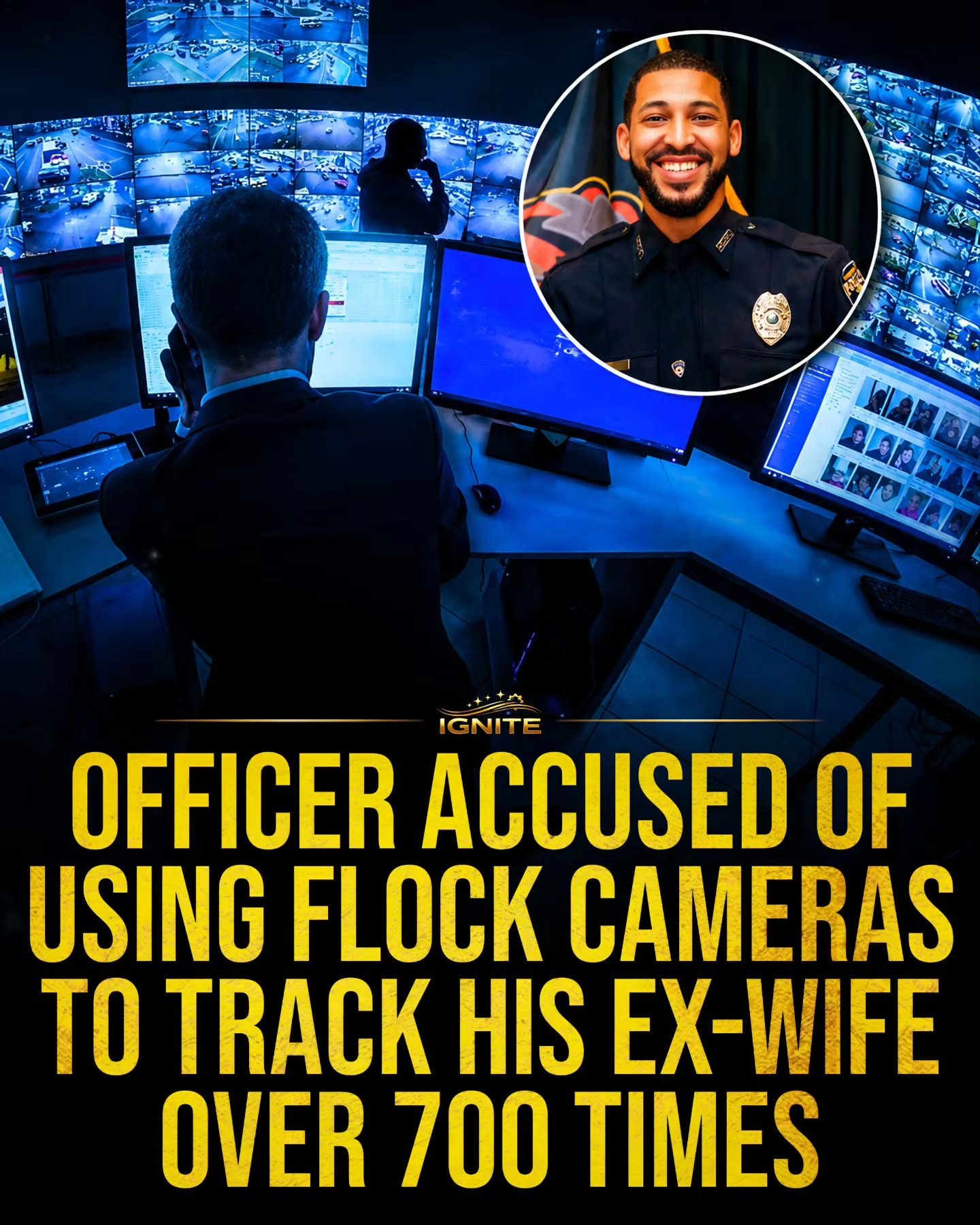
In the realm of security technology, the FLOCK security camera system has recently found itself at the center of a heated controversy. The crux of the issue involves allegations of misuse, specifically accusations that an officer exploited FLOCK cameras to track his ex-wife on over 700 occasions.
Why This Matters
The controversy surrounding the FLOCK security camera system underscores the delicate balance between public safety and privacy. Security camera systems, like FLOCK, are designed to enhance community safety by providing real-time monitoring and recording capabilities. These systems are increasingly integrated into urban infrastructure, offering a layer of protection against crime and ensuring public spaces remain secure. However, incidents like the one involving the officer and his ex-wife raise critical questions about how these systems are used and regulated. The implications extend beyond individual cases, affecting public trust in security technology and the ethical boundaries of surveillance.
The FLOCK Security Camera System
Functionality and Design
The FLOCK security camera system is a comprehensive surveillance solution designed for both residential and commercial use. It offers high-definition video monitoring, motion detection, and remote access capabilities. The system can be integrated with other security measures, such as alarms and access control systems, to provide a robust security framework.
These systems are typically set up in public spaces, residential areas, and businesses, with the primary goal of deterring and detecting criminal activity. The cameras often feature advanced analytics, enabling them to distinguish between normal and suspicious behavior, which can then trigger alerts to security personnel or law enforcement.
Use in Public Safety
FLOCK cameras are often employed in communities to enhance public safety. They can be installed in areas prone to crime, such as parking lots, streets, and public parks, to monitor activity and provide evidence in case of incidents. These systems have been credited with reducing crime rates by deterring potential offenders and aiding in the swift resolution of crimes.
The Controversy Unfolds
Allegations and Evidence
The controversy began with allegations that an officer, entrusted with the operation of these security systems, abused his position to track his ex-wife over 700 times. This misuse of FLOCK cameras raises serious ethical and legal questions about the oversight and accountability of security personnel who have access to such powerful surveillance tools.
Impact on Public Trust
Incidents like this can erode public trust in security systems intended to protect communities. When security personnel misuse their access, it undermines the very purpose of these systems and can lead to public skepticism about the broader use of surveillance technology. It highlights the need for stricter regulations and monitoring mechanisms to ensure that such systems are used ethically and responsibly.
Practical Tips for Ensuring Ethical Use of Security Camera Systems
Establishing Clear Guidelines
To mitigate the risk of misuse, organizations should implement clear guidelines and protocols for the use of security camera systems. These guidelines should cover data privacy, access controls, and the ethical boundaries of surveillance. Regular training sessions for security personnel can ensure they understand and adhere to these guidelines.
Accountability and Oversight
Implementing robust oversight mechanisms is crucial. This includes regular audits of surveillance data, ensuring that access logs are maintained, and enforcing strict penalties for any misuse. Transparent reporting of incidents and corrective actions can also help rebuild public trust in these systems.
Public Engagement
Engaging with the community is essential. Public forums, workshops, and feedback sessions can help gather community input and address concerns about the use of surveillance technology. Ensuring that the community feels involved and informed can foster a sense of ownership and trust in the security measures being implemented.
Regulatory Compliance
Compliance with existing regulations and laws is non-negotiable. Security systems should be used in accordance with data protection laws and any specific regulations governing the use of surveillance technology in the area. Regular updates and reviews of these regulations can help ensure ongoing compliance and adapt to new legal requirements.
Important Takeaways
The controversy surrounding the FLOCK security camera system serves as a stark reminder of the need for vigilance and accountability in the use of surveillance technology. While these systems offer significant benefits in enhancing public safety, their misuse can have far-reaching consequences. By implementing clear guidelines, robust oversight, community engagement, and regulatory compliance, we can ensure that such systems are used ethically and responsibly, thereby maintaining public trust and enhancing community safety.
Conclusion
The FLOCK security camera system controversy highlights the delicate balance between public safety and privacy. As we continue to integrate advanced surveillance technology into our daily lives, it is crucial to address the ethical and legal considerations involved. By fostering a culture of accountability, transparency, and community engagement, we can ensure that security camera systems serve their intended purpose while respecting individual rights and privacy.
Watch the Reel
Questions readers ask
What is the FLOCK security camera system and how is it being misused?
FLOCK is a security camera system designed for community safety through real-time monitoring. Recently, it has been involved in controversy due to allegations that a police officer used it to track his ex-wife on numerous occasions, raising concerns about privacy and ethical use of surveillance technology.
How does this case highlight the balance between public safety and privacy?
The case illustrates the fine line between using surveillance technology for public safety and infringing on individual privacy. While FLOCK cameras aim to enhance community security, their misuse can lead to serious privacy violations, as seen in the officer's alleged actions.
What are the potential consequences of surveillance technology misuse by law enforcement?
Misuse of surveillance technology by law enforcement can erode public trust, lead to legal repercussions, and set a troubling precedent for future cases. It also raises important questions about the ethical use of technology in policing and the need for robust oversight.
How can communities ensure their security cameras are used appropriately?
Communities can implement strict guidelines and regular audits to monitor the use of security cameras. Additionally, promoting transparency and accountability in law enforcement can help prevent misuse. Clear policies and training on the ethical use of surveillance technology are also essential.
What legal actions can be taken against those who misuse FLOCK cameras?
Depending on the jurisdiction, those who misuse FLOCK cameras may face charges such as stalking, invasion of privacy, or misuse of public resources. Victims may also pursue civil lawsuits to seek damages and protect their rights. It is crucial to consult with legal experts to understand the specific legal actions available.
How does this controversy affect public perception of surveillance technology?
This controversy can lead to increased public scrutiny and skepticism regarding the use of surveillance technology. It may prompt calls for stricter regulations and oversight, as well as a broader discussion on the ethical implications of using advanced surveillance systems in public spaces.
Related deep dives
Similar reads based on topic and creator.




Recent articles
Fresh deep dives from the latest Reels we unpacked.




Comments
Be the first to comment.