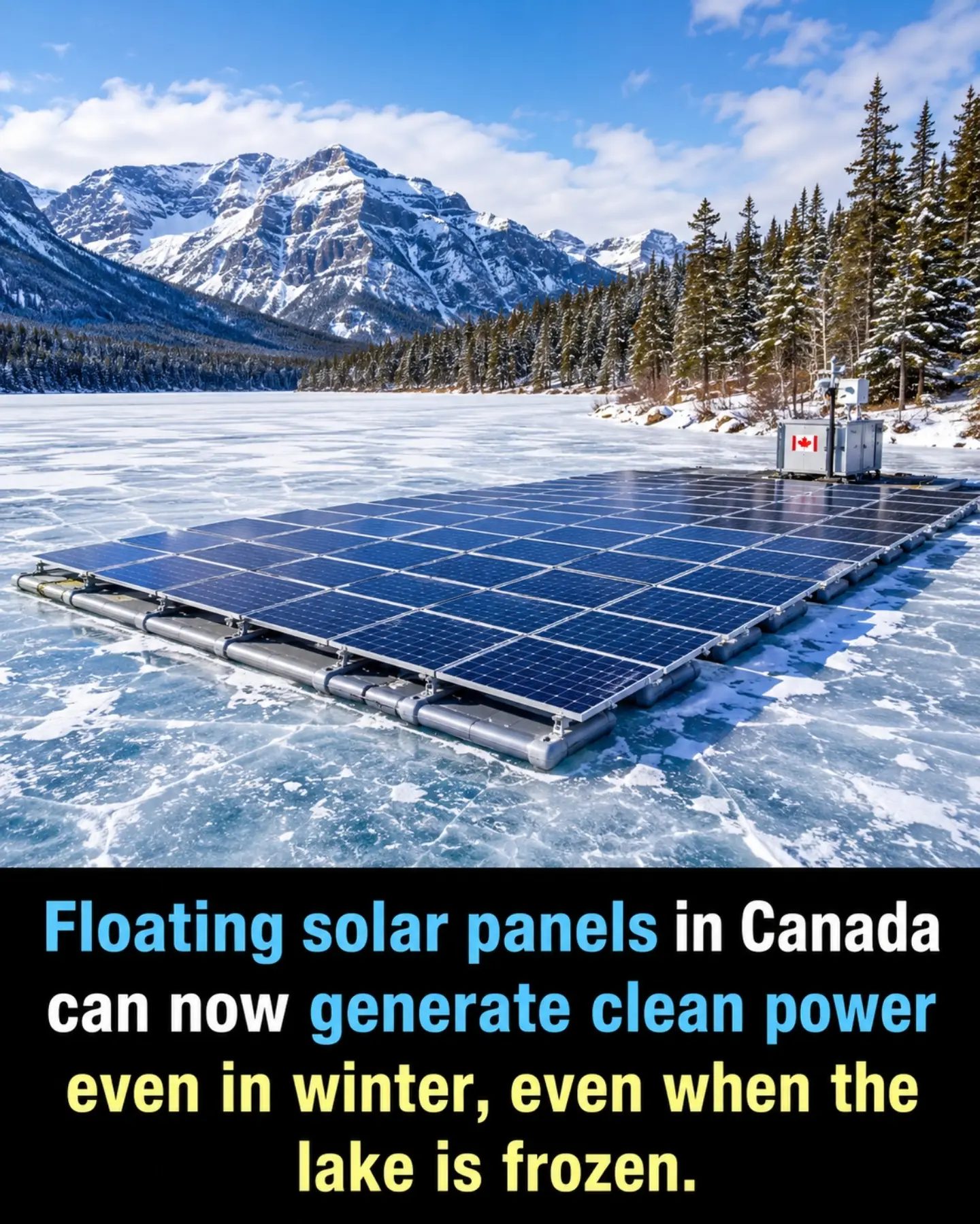
Floating Solar Panels: Harnessing Clean Energy in Canada
Floating solar panels are emerging as a powerful solution in Canada's renewable energy landscape, particularly in colder regions. These innovative solar panels are designed to float on bodies of water, offering a unique advantage in generating clean power even in harsh winter conditions.
Why This Matters
As the world shifts towards sustainable energy sources, the implementation of floating solar panels in Canada presents a viable solution to meet energy demands while reducing carbon footprints. This technology not only maximizes the use of available land but also ensures a steady supply of clean energy, even in freezing temperatures. By leveraging floating solar panels, Canada can move closer to achieving its renewable energy goals, contributing to a greener future.
Main Discussion
The Technology Behind Floating Solar Panels
Floating solar panels, also known as floatovoltaics or floatovoltaic solar panels, are installed on bodies of water, such as lakes and reservoirs. The panels are arranged on floating platforms, which are anchored to the lakebed to ensure stability. This setup allows the panels to generate electricity from the sun while using the reflective properties of water to increase efficiency.
Performance in Winter Conditions
One of the most significant advantages of floating solar panels is their ability to operate efficiently in winter, even when the lake is partially or completely frozen. This resilience is due to several factors:
-
Reflective Properties of Water: Water reflects sunlight, which can enhance the performance of solar panels. Even in winter, the reflective surface of the water can help the panels generate more electricity.
-
Temperature Regulation: The water beneath the panels acts as a natural coolant, preventing the panels from overheating during sunny periods. This temperature regulation ensures that the panels operate at optimal efficiency even in fluctuating temperatures.
-
Ice Resistance: The floating platforms are designed to withstand the pressure of ice, ensuring that the panels can continue to operate even when the surface of the water is frozen. This is crucial in Canada, where winter conditions can be extreme.
Environmental and Economic Benefits
Floating solar panels offer both environmental and economic benefits. From an environmental perspective, they help reduce reliance on fossil fuels, lowering greenhouse gas emissions and contributing to a cleaner environment. Economically, they provide a sustainable energy source that can lower energy costs over time, making them a cost-effective solution for both residential and commercial use.
Success Stories in Canada
Canada's adoption of floating solar panels is gaining traction, with several successful installations already in place. These installations have demonstrated the feasibility and effectiveness of the technology in generating clean power in winter conditions. For example, floating solar panel arrays have been installed on lakes in various provinces, showcasing their ability to generate electricity even in harsh weather conditions.
Practical Tips
If you are considering installing floating solar panels, here are some practical tips to help you get started:
-
Assess the Water Body: Ensure that the body of water where you plan to install the solar panels is suitable. Factors to consider include the depth, stability, and environmental impact on local ecosystems.
-
Choose the Right Equipment: Select high-quality, durable floating platforms and solar panels that are designed to withstand winter conditions. Companies specializing in floatovoltaic systems can provide recommendations based on your specific needs.
-
Consult Local Regulations: Check local regulations and obtain necessary permits before installation. This ensures compliance with environmental and safety standards and avoids potential legal issues.
-
Monitor Performance: Regularly monitor the performance of your floating solar panels to ensure they are operating at optimal efficiency. This includes checking for any damage or wear and tear that may affect performance.
-
Maintenance Considerations: Plan for routine maintenance, including cleaning the panels and inspecting the floating platforms for structural integrity. Regular maintenance helps extend the lifespan of the solar panels and ensures consistent energy output.
Important Takeaways
Floating solar panels are a revolutionary technology that can significantly contribute to Canada's renewable energy goals. Their ability to generate clean power even in harsh winter conditions makes them a reliable and sustainable energy source. By adopting this technology, Canada can lead the way in harnessing the power of renewable energy, paving the path for a greener future.
Conclusion
Floating solar panels are not just a futuristic concept; they are a practical and effective solution for generating clean energy, even in the coldest regions of Canada. By leveraging the unique benefits of floating solar panels, Canada can achieve its renewable energy targets and contribute to a more sustainable world. Whether for residential or commercial use, floating solar panels offer a reliable and efficient way to meet energy needs while minimizing environmental impact.
Watch the Reel
Questions readers ask
How do floating solar panels work in winter?
Floating solar panels, or floatovoltaics, are designed to withstand harsh winter conditions. They generate clean power even when temperatures drop and bodies of water freeze. The panels are elevated above the water surface, allowing them to capture sunlight and convert it into energy efficiently, even in snowfall or low light.
What are the benefits of installing floating solar panels on lakes in Canada?
Installing floating solar panels on lakes offers several benefits. They maximize land use by utilizing bodies of water that might otherwise go unused. Additionally, the water helps maintain optimal operating temperatures for the panels, which can enhance their efficiency, especially in winter.
Are floating solar panels a practical solution for generating power in Canada?
Yes, floating solar panels are a practical solution for generating power in Canada, particularly in regions with limited land availability and harsh winters. They provide a steady supply of clean energy, even in freezing temperatures, and help reduce carbon emissions by leveraging renewable energy sources.
How do floating solar panels perform in freezing temperatures?
Floating solar panels are equipped to perform efficiently in freezing temperatures. The panels are designed to operate in low-light conditions and can generate clean power even when covered by snow. Additionally, the water below helps to insulate the panels, preventing them from becoming too cold.
Can floating solar panels be installed on any body of water in Canada?
Floating solar panels can be installed on most bodies of water, including lakes and reservoirs. However, the suitability of a specific location depends on factors such as water depth, stability of the shoreline, and local regulations. It's essential to conduct a site assessment before installation.
How do floating solar panels compare to traditional solar panels in winter?
Floating solar panels have a distinct advantage over traditional solar panels in winter. They are less affected by snow accumulation because the panels are elevated and the water helps to keep them clean. Traditional solar panels can lose efficiency due to snow buildup, whereas floating solar panels maintain a more consistent power output.
Related deep dives
Similar reads based on topic and creator.

Recent articles
Fresh deep dives from the latest Reels we unpacked.




Comments
Be the first to comment.