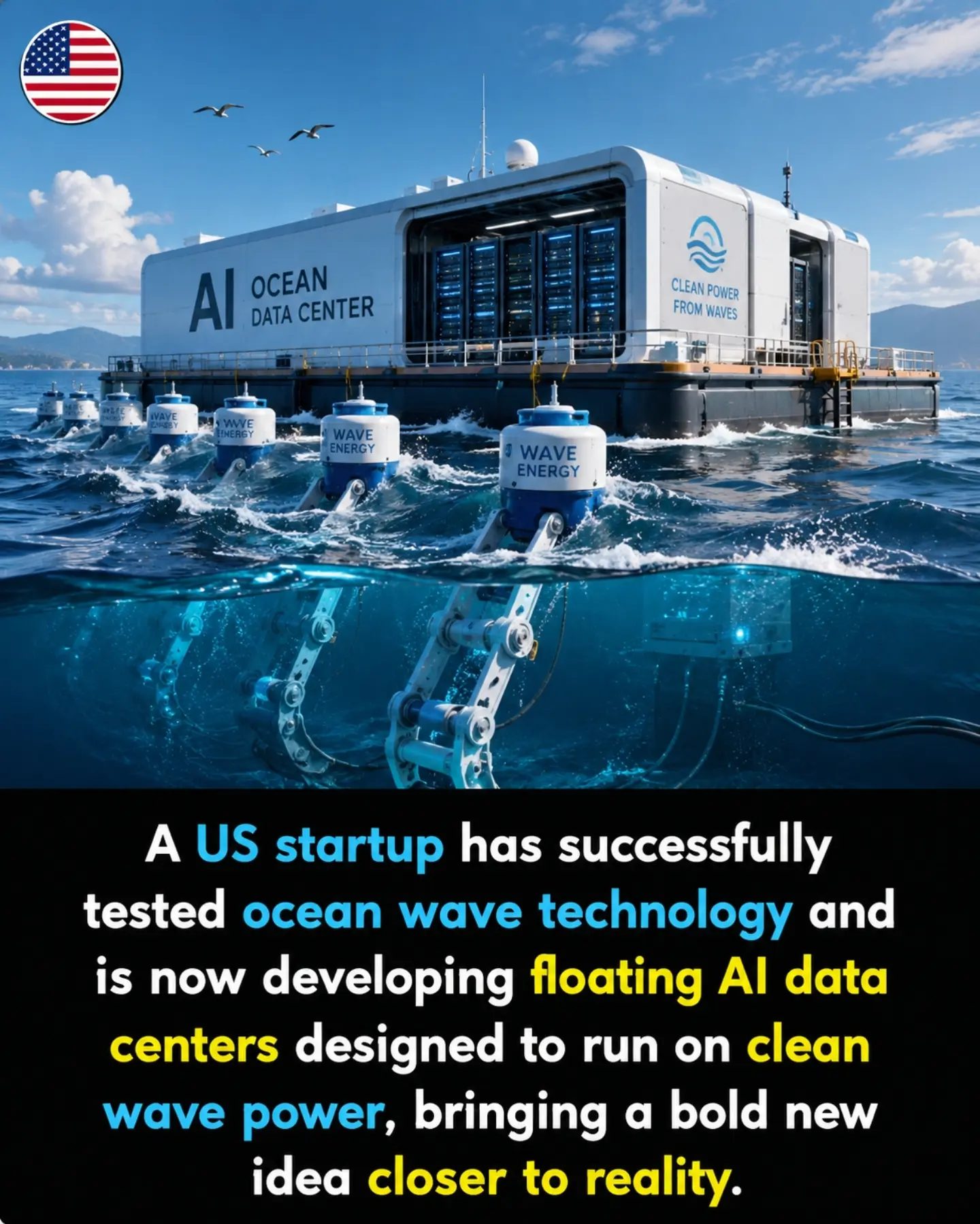
Ocean Wave Energy Data Centers: Harnessing the Power of the Sea
Floating data centers powered by ocean wave energy represent a groundbreaking advancement in renewable energy and data management. This innovative technology, developed by a US startup, aims to harness the power of ocean waves to drive artificial intelligence (AI) data centers, bringing a bold new idea closer to reality.
Why This Matters
As the demand for data processing and storage continues to grow, so does the need for sustainable and efficient solutions. Traditional data centers consume vast amounts of energy and contribute to significant greenhouse gas emissions. Wave energy data centers offer a promising alternative by utilizing the natural, renewable power of ocean waves. This not only reduces the carbon footprint but also addresses the challenges of land scarcity and environmental impact.
Main Discussion
The Concept of Wave Energy Data Centers
Wave energy data centers operate by converting the kinetic energy of ocean waves into electricity. This power is then used to run the data centers, which are designed to float on the ocean surface. The partially submerged structure includes robotic arms that facilitate the energy conversion process. By leveraging the consistent and predictable nature of wave energy, these data centers can provide a stable power source, unlike some other renewable energy sources that are dependent on weather conditions.
Technological Innovations
The technology behind wave energy data centers involves several key components:
-
Wave Energy Converters (WECs): These devices capture the energy from ocean waves and convert it into electricity. There are different types of WECs, including oscillating water columns, overtopping devices, and oscillating bodies, each with its own mechanism for energy conversion.
-
Floating Structure: The data center is built on a floating platform, allowing it to be deployed in deep ocean waters where wave energy is abundant. This also minimizes the environmental impact on coastal areas.
-
Robotic Arms: Beneath the surface, robotic arms are used to optimize the energy conversion process. These arms can adjust their position based on the wave conditions, ensuring maximum efficiency.
-
AI Integration: The data centers are designed to manage AI workloads, which require significant computational power. By integrating AI capabilities, these centers can handle complex data processing tasks more efficiently.
Benefits of Wave Energy Data Centers
-
Renewable and Sustainable: Wave energy is a renewable resource, making it a sustainable option for powering data centers. This reduces dependence on fossil fuels and lowers carbon emissions.
-
Space Efficiency: Floating data centers can be deployed in the open ocean, freeing up valuable land resources that would otherwise be used for traditional data centers.
-
Reduced Environmental Impact: By operating in the open ocean, these data centers avoid the environmental issues associated with land-based infrastructure, such as land use and pollution.
-
Consistent Power Supply: Ocean waves provide a more predictable and consistent source of energy compared to solar or wind power, which can be intermittent.
Challenges and Considerations
While wave energy data centers hold great promise, there are several challenges to address:
-
Technological Maturity: The technology is still in its early stages, and further development is needed to optimize efficiency and reliability.
-
Cost: The initial investment for building and deploying these data centers can be high. However, the long-term benefits and cost savings from reduced energy costs may outweigh the initial expenses.
-
Maintenance and Durability: Operating in the harsh ocean environment poses challenges for maintenance and durability. Robust engineering solutions are required to ensure the longevity of these structures.
-
Regulatory and Environmental Compliance: Deploying data centers in the ocean involves navigating regulatory frameworks and ensuring compliance with environmental standards.
Practical Tips
For those interested in exploring wave energy data centers, here are some practical tips:
-
Research and Development: Continue to invest in research and development to improve the efficiency and reliability of wave energy conversion technologies.
-
Collaboration: Foster collaboration between academia, industry, and government to advance the technology and address regulatory challenges.
-
Pilot Projects: Implement pilot projects to gather real-world data and demonstrate the feasibility and benefits of wave energy data centers.
-
Public Awareness: Increase public awareness and support for renewable energy initiatives, highlighting the benefits of wave energy data centers.
Important Takeaways
Wave energy data centers represent a significant step towards sustainable and efficient data management. By harnessing the power of ocean waves, these centers offer a renewable and reliable energy source, reducing the carbon footprint and environmental impact. While there are challenges to overcome, the potential benefits make this technology a promising area for future development.
Conclusion
The development of floating AI data centers powered by wave energy is a testament to human ingenuity and the pursuit of sustainable solutions. As technology advances and costs decrease, wave energy data centers could become a mainstream option for powering the digital infrastructure of the future. By embracing this innovative approach, we can move closer to a world where data processing and storage are both efficient and environmentally friendly.
Watch the Reel
Questions readers ask
How do floating AI data centers harness wave energy?
Floating AI data centers use specialized technology to convert the kinetic energy from ocean waves into electricity. This is typically done through wave energy converters, which transform the up-and-down motion of waves into mechanical energy, then into electrical energy to power the data center's operations.
What are the benefits of using wave energy for data centers?
Wave energy offers a clean and renewable power source, reducing the reliance on fossil fuels and lowering greenhouse gas emissions. Additionally, wave energy is abundant and predictable, providing a stable energy supply for data centers, which is crucial for maintaining uninterrupted data processing and storage.
How do floating data centers address land scarcity issues?
By being ocean-based, floating data centers free up valuable land that would otherwise be used for traditional data center infrastructure. This is particularly beneficial in densely populated areas where land availability is limited, allowing for more efficient use of space.
What makes floating AI data centers a sustainable solution?
Floating AI data centers are sustainable because they operate on renewable energy from ocean waves, reducing their carbon footprint. Additionally, their offshore location minimizes environmental impact on land-based ecosystems and communities, while their modular design allows for easy expansion or relocation as needed.
What are the main challenges facing wave energy data centers?
The primary challenges include the harsh marine environment, which can be corrosive and damaging to equipment; the high initial investment required for research, development, and deployment; and the need for advanced engineering to ensure the reliability and durability of the floating platforms and wave energy converters. Additionally, maintaining and servicing these offshore data centers can be logistically challenging.
How do wave energy data centers compare to other renewable energy sources?
Wave energy data centers offer a unique advantage by providing a consistent and predictable power source compared to solar or wind, which can be intermittent. While solar and wind energy are well-established, wave energy is less developed but has the potential to complement these sources, especially in coastal regions where wave energy can be harnessed effectively.
What is the role of AI in floating data centers powered by wave energy?
AI plays a crucial role in optimizing the performance of wave energy data centers. AI algorithms can analyze wave patterns to maximize energy conversion efficiency and predict maintenance needs, ensuring optimal operation. Additionally, AI can help manage data processing tasks, dynamically allocating resources based on demand and energy availability.
Related deep dives
Similar reads based on topic and creator.

Recent articles
Fresh deep dives from the latest Reels we unpacked.




Comments
Be the first to comment.