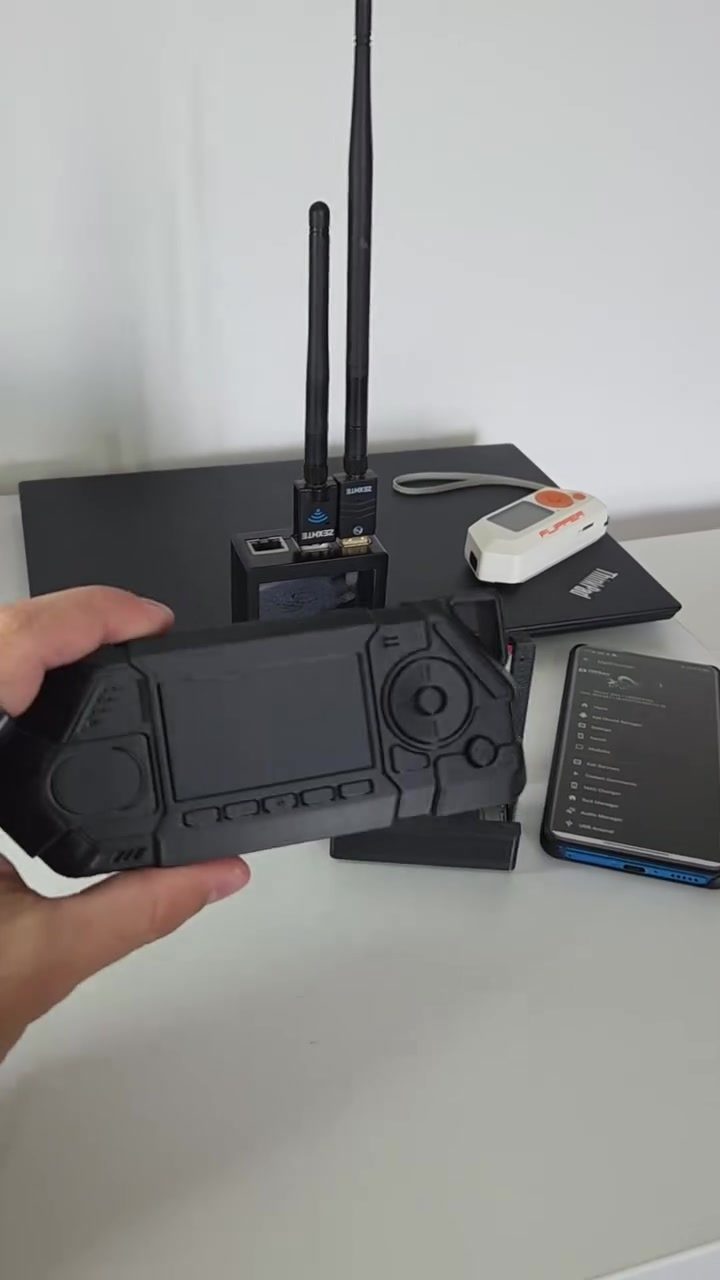
Selecting the Right Linux-Based Device for Your Needs
Choosing the right Linux-based device depends on your specific requirements, whether it's for a compact, portable solution or a more robust, feature-rich computer. Let's explore several options, including the upcoming Flipper 1, Raspberry Pi models, and other Linux-based devices.
Context / Why this matters
Linux-based devices have gained popularity due to their versatility, customization options, and open-source nature. Whether you're a hobbyist, a developer, or someone looking to automate tasks, selecting the right device can significantly enhance your experience. This guide will help you understand the key features, advantages, and potential use cases for each device, enabling you to make an informed decision.
Main discussion
The Upcoming Flipper 1
Flipper has recently published a 3D model of their upcoming Flipper 1 device, which is a Linux-based computer. This device is notably larger and chunkier compared to other Linux-based options. The Flipper 1 is designed for users who require more processing power and additional features, making it an appealing option for those who need a robust and versatile device.
Raspberry Pi Models
Raspberry Pi is a well-known brand in the Linux-based computing world, offering a range of models to suit different needs. Considering size, the Raspberry Pi 4 and 5 are compact and lightweight, making them ideal for portable and space-constrained environments. These models come with the option of an LCD screen, which can be particularly useful for applications that require a visual display. The Raspberry Pi 0, also known as P-Tel, is a headless device. This means it doesn't have a built-in display or keyboard, making it suitable for applications that primarily rely on remote access or command-line interface.
Kali Linux NetHunter on Android
For users who prefer a mobile solution, Kali Linux NetHunter running on a rooted Android device is an excellent choice. This configuration provides the full power of a Linux operating system within the portability of an Android device. It's particularly useful for penetration testing, security audits, and other tasks that require a mobile and versatile platform.
Practical tips
Assessing Your Needs
Before making a decision, consider the following factors:
- Portability: If you need a device that you can easily carry around, opt for the Raspberry Pi 4 or 5, especially with the LCD option, or Kali Linux NetHunter.
- Processing Power: For more demanding tasks, the Flipper 1 might be the better choice due to its larger size and enhanced capabilities.
- Use Case: Determine whether you need a device for a specific application, such as penetration testing, automation, or development. Each device has unique strengths that cater to different use cases.
Accessories and Add-ons
All these devices can be enhanced with various accessories. For example, the Flipper Zero comes with antennas, USB adapters, and SD cards that can expand its functionality. Similarly, Raspberry Pis can be supplemented with additional sensors, cameras, and other peripherals to suit your project requirements.
Community and Support
Each device benefits from a vibrant community of users who share knowledge, tips, and projects. Engaging with these communities can provide valuable insights and support, making your experience with any of these devices smoother and more productive.
Important takeaways
- Flipper 1: Ideal for users needing a robust, feature-rich Linux-based computer with more processing power and additional features.
- Raspberry Pi 4/5: Best for compact, portable solutions with the option of an LCD screen, suitable for space-constrained environments and applications requiring a visual display.
- Raspberry Pi 0 (P-Tel): A headless device, perfect for remote access or command-line interface applications.
- Kali Linux NetHunter on Android: Excellent for mobile users, especially those involved in penetration testing and security audits.
Conclusion
Selecting the right Linux-based device involves understanding your specific requirements and the unique features of each device. Whether you opt for the upcoming Flipper 1 for its robust capabilities, a Raspberry Pi model for portability, or Kali Linux NetHunter for mobile versatility, each device offers distinct advantages that can significantly enhance your projects and tasks. By assessing your needs and exploring the available options, you can make an informed decision and choose the perfect Linux-based device to suit your needs.
Watch the Reel
Questions readers ask
What are the key differences between the Flipper 1 and Raspberry Pi models?
The Flipper 1 is known for its robust processing power and is designed with hacking and customization in mind. In contrast, Raspberry Pi models are compact, versatile, and ideal for portable and space-constrained applications. Flipper 1 is an upcoming device, while Raspberry Pi has several models currently available.
Which device is more suitable for developers working on the go?
For developers needing a mobile solution, Raspberry Pi models are often more suitable due to their compact size and wide range of available accessories. However, if you need robust processing power for more intensive tasks, the Flipper 1 might be a better choice once it's released.
What are the advantages of using a Linux-based device for hacking and customization?
Linux-based devices offer a high degree of customization and control, making them ideal for hacking and customization projects. They allow users to modify the operating system, install specific software, and automate tasks tailored to their needs. This flexibility is particularly appealing to developers and hobbyists.
Can the Flipper 1 be used for tasks other than hacking?
While the Flipper 1 is designed with hacking in mind, its robust processing power and customization options make it suitable for a variety of tasks. Users can employ it for development, automation, and other projects that require significant computational resources.
Which Linux-based device is best for those with limited space?
Raspberry Pi models are typically the best choice for those with limited space due to their compact size. They are designed to be portable and can fit into small projects or be integrated into various devices without taking up much room. Additionally, they are energy-efficient, making them ideal for battery-powered projects.
What are the potential use cases for the Flipper 1?
The Flipper 1 is well-suited for advanced hacking projects, custom software development, and automation tasks that demand significant processing power. Its design caters to users who need a powerful, customizable device for complex projects, especially those looking to push the boundaries of what can be done with a Linux-based device.
How does the upcoming Flipper 1 compare to other Linux-based devices in terms of performance?
The Flipper 1 is expected to offer robust processing power, making it a strong contender among Linux-based devices for performance-intensive tasks. Compared to Raspberry Pi models, the Flipper 1 may excel in scenarios requiring more computational resources, although specific performance benchmarks will need to be assessed once the device is released.
Related deep dives
Similar reads based on topic and creator.




Recent articles
Fresh deep dives from the latest Reels we unpacked.




Comments
Be the first to comment.