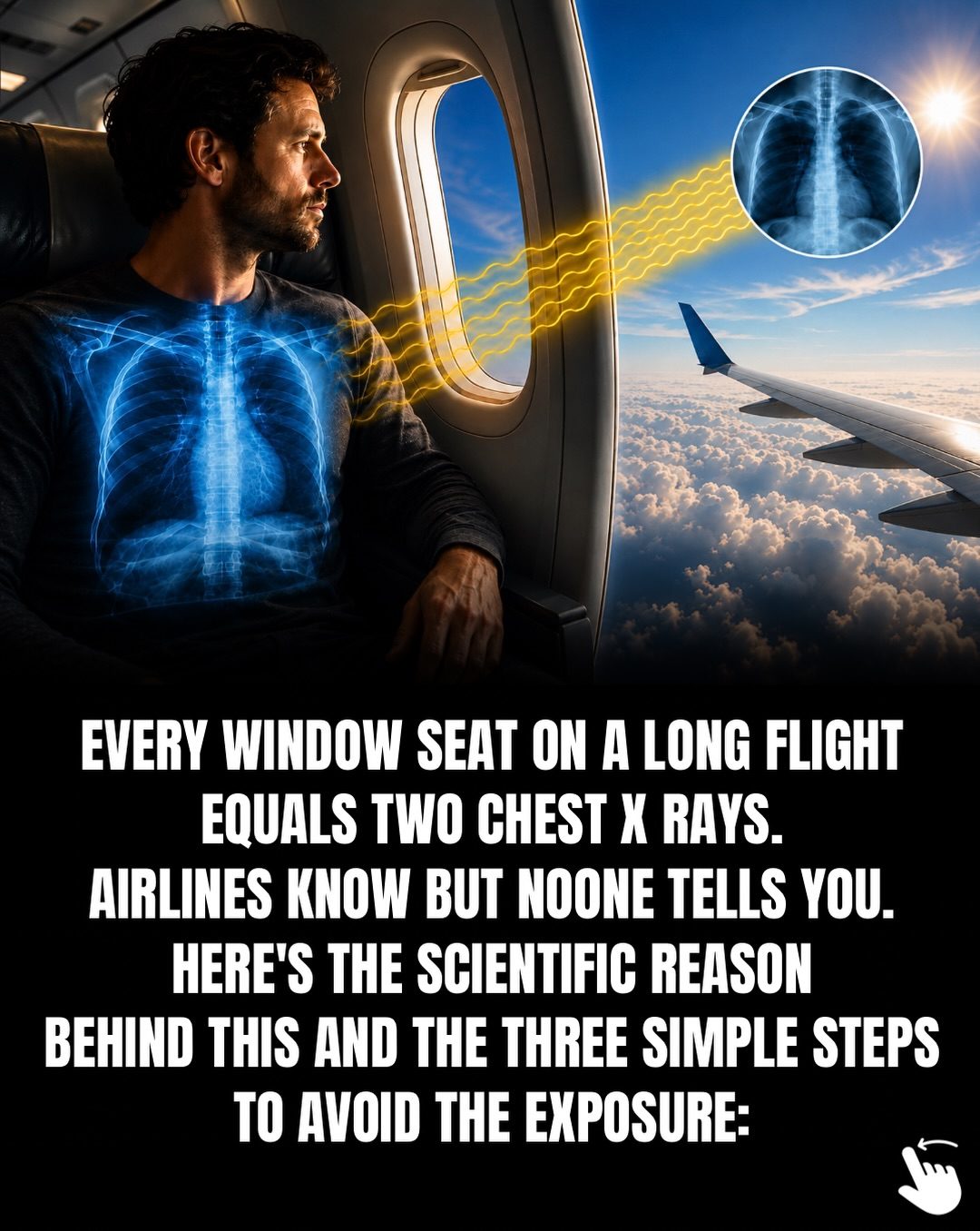
Flight Radiation Exposure
Flying can be a convenient way to travel long distances, but it's important to be aware of the radiation exposure that comes with it. At 35,000 feet, the Earth's atmosphere provides less protection from cosmic radiation, leading to increased exposure for passengers. This exposure can vary significantly depending on your seat choice.
Why this Matters
Understanding the differences in radiation exposure between window and aisle seats can help frequent travelers make more informed decisions about their seating choices. While cabin pressure, humidity, and long periods of sitting can contribute to discomfort and fatigue, radiation exposure is another factor to consider. By being aware of the differences in radiation levels and taking steps to mitigate exposure, frequent flyers can take a proactive approach to their health.
Main Discussion
Radiation Levels in Different Seats
A 2023 study conducted on a Boeing 777 airplane revealed that window seats receive higher radiation exposure than aisle seats. Specifically, window seats were found to have an exposure rate of 4.2 microSieverts (uSv) per hour, while aisle seats had a lower rate of 2.9 uSv per hour. This difference of 1.3 uSv per hour represents a 31% increase in radiation exposure for those sitting by the window. This disparity is due to the proximity of window seats to the aircraft's outer structure, which provides less shielding from cosmic radiation.
The Impact of Long Flights
For those embarking on long-haul flights, the cumulative effect of this increased radiation exposure can add up. It is estimated that every window seat on a long flight equals the radiation exposure of two chest X-rays. This comparison highlights the importance of being mindful of seat selection, especially for those who frequently fly long distances.
Mitigating Radiation Exposure
While the radiation levels on flights are generally low and within safe limits for occasional travelers, frequent flyers should consider strategies to minimize their exposure. Applying SPF 50 sunscreen to the hands and face for flights lasting over eight hours can help block secondary UV exposure through windows. This simple step can provide an additional layer of protection against radiation exposure during long flights. Maintaining good hydration, moving frequently, and using timing tactics for sleep can also enhance the overall travel experience.
Practical Tips
Choose Wisely
When choosing your seat, consider the flight duration and your radiation exposure preferences. For shorter flights, the difference in radiation exposure may be negligible. However, for longer flights, opting for an aisle seat can reduce your overall exposure.
Protect Your Skin
Applying SPF 50 sunscreen to exposed areas like your hands and face can help block secondary UV exposure. This is particularly important for flights over eight hours, as the cumulative effect of radiation exposure can be more significant during longer journeys.
Prioritize Comfort
In addition to considering radiation exposure, prioritize other factors that contribute to a comfortable flight. Hydration, movement, and sleep are crucial for arriving refreshed and ready to go. Plan snacks, stay hydrated, and move around the cabin regularly to combat fatigue and stiffness.
Timing for Sleep
Effective timing for sleep can make a big difference in your overall travel experience. Avoiding caffeine and alcohol, and using natural sleep aids like melatonin, can help you get the rest you need during your flight. Remember that timing your sleep well can make the difference between arriving exhausted or refreshed.
Important Takeaways
- Radiation exposure on flights is higher for window seats due to less shielding from cosmic radiation.
- Long flights can result in significant radiation exposure, equivalent to multiple chest X-rays.
- Applying SPF 50 sunscreen to exposed skin can help block secondary UV exposure.
- Choosing an aisle seat, staying hydrated, moving frequently, and prioritizing sleep can enhance your overall travel experience.
Conclusion
Understanding the differences in radiation exposure between window and aisle seats can help frequent travelers make more informed decisions about their seating choices. By taking steps to mitigate this exposure and prioritizing comfort and well-being, you can arrive at your destination feeling refreshed and ready to go.
Watch the Reel
Questions readers ask
Why are window seats on planes associated with higher radiation exposure?
Window seats are associated with higher radiation exposure because they have less shielding from cosmic rays. The windows themselves provide minimal protection, whereas the fuselage of the plane provides additional shielding for aisle seats.
Who is most affected by the difference in radiation exposure between window and aisle seats?
Frequent flyers, especially those who often take long-haul flights, are most affected by the difference in radiation exposure. These individuals accumulate more flight hours, making their seat choice more impactful on overall radiation exposure.
What is the significance of flying at 35,000 feet regarding radiation exposure?
At 35,000 feet, the Earth's atmosphere is thinner, providing less protection from cosmic radiation. This heightened exposure is a key factor in understanding why passengers on flights are exposed to more radiation.
How much more radiation do window seats expose passengers to compared to aisle seats?
Window seats expose passengers to 31% more radiation than aisle seats. This is due to the reduced shielding from cosmic rays, which are better blocked by the fuselage of the aircraft.
What can frequent flyers do to mitigate radiation exposure during flights?
Frequent flyers can mitigate radiation exposure by choosing aisle seats when possible, especially on long flights. Additionally, they can stay hydrated, limit alcohol and caffeine, and take breaks to move around the cabin to reduce overall discomfort. However, the best way to reduce radiation exposure is still choosing an aisle seat.
How does seat choice on a plane affect exposure to cosmic rays?
Seat choice on a plane affects exposure to cosmic rays because window seats have less shielding. This makes them more susceptible to radiation compared to aisle seats, which are more protected by the plane's structure.
What should I consider when choosing a seat on a plane to minimize radiation exposure?
When choosing a seat on a plane to minimize radiation exposure, opt for an aisle seat over a window seat. This choice can help reduce your exposure to cosmic rays, as the fuselage of the plane provides additional shielding.
Related deep dives
Similar reads based on topic and creator.



Recent articles
Fresh deep dives from the latest Reels we unpacked.



Comments
Be the first to comment.