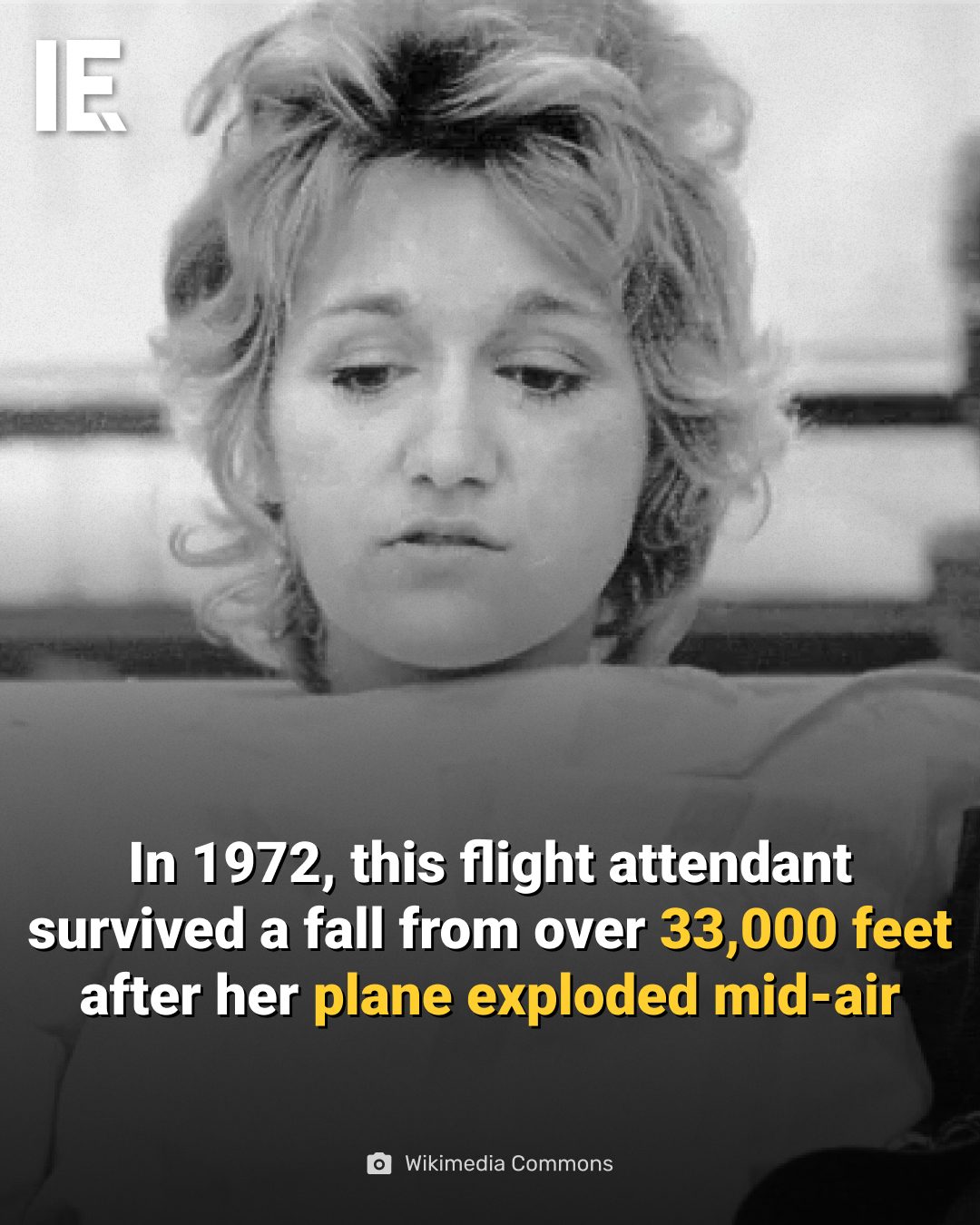
Vesna Vulović: The Miracle Survival Story
On January 26, 1972, history was made when Yugoslav Airlines Flight 367 exploded over Czechoslovakia, and a flight attendant, Vesna Vulović, survived a catastrophic fall. The circumstances of this incident and the subsequent survival story are nothing short of miraculous, and understanding the details offers a unique perspective on human resilience and aviation safety.
Context / Why this matters
Aviation incidents, especially those involving explosives and high-altitude falls, are rare but deeply impactful. The survival of Vesna Vulović provides a rare case study in human endurance and the unpredictable factors that can influence survival in extreme conditions. This story serves as a poignant reminder of the importance of aviation safety measures and the human spirit’s ability to persevere through unimaginable adversity.
Main discussion
The Incident
On January 26, 1972, Yugoslav Airlines Flight 367 was en route from Stockholm to Belgrade. Tragically, a bomb detonated on board, causing the plane to explode mid-air over Czechoslovakia. The explosion and subsequent fall were catastrophic, and the plane disintegrated, leaving only fragments and scattered debris. Among the debris was a section of the tail, which miraculously contained flight attendant Vesna Vulović.
The Fall
Vesna Vulović fell over 10,000 meters (approximately 33,000 feet) from the exploded plane without a parachute. The fall was extreme, but several factors contributed to her survival. Investigators believe that the tail section she was trapped in acted as a buffer, reducing the impact when she hit the ground. Additionally, the deep snow in the forest terrain where she landed helped absorb the shock, mitigating the impact of the fall.
Injuries and Recovery
Despite the extreme conditions, Vesna Vulović survived the fall with a fractured skull, broken vertebrae, and broken legs. Her injuries were severe, but she made a full recovery. This incredible recovery is a testament to her resilience and the advanced medical care she received.
The Role of Deep Snow
The deep snow played a crucial role in Vesna Vulović’s survival. Instead of landing on hard ground or rocky terrain, she landed in a dense forest covered in deep snow. This soft landing significantly reduced the impact, allowing her to survive what would otherwise have been a fatal fall. The snow acted as a natural cushion, absorbing much of the force of the impact.
The Guinness World Record
Vesna Vulović’s survival story is so extraordinary that she holds the Guinness World Record for the highest fall survived without a parachute. This feat underscores the uniqueness of her survival and serves as a reminder of the incredible human capacity for endurance and recovery.
Practical tips
If ever in a high-altitude emergency, consider the following:
Preparing for Emergencies
- Stay Calm: Maintaining a clear mind is crucial in any emergency situation. Panic can cloud judgment and make it harder to assess and respond to the situation.
- Understand Your Environment: Knowing your surroundings can help you make better decisions. For example, identifying a soft landing spot, such as snow or water, can increase your chances of survival.
- Protect Yourself: If possible, use any available materials to protect yourself. In Vesna Vulović’s case, the tail section buffered the impact, making the difference between life and death.
Post-Incident Actions
- Seek Medical Help Immediately: Even if you feel relatively unharmed, seek medical attention as soon as possible. Internal injuries may not be immediately apparent but can be life-threatening.
- Stay Hydrated: If you are stranded, staying hydrated is crucial. Collect and store water if necessary.
- Stay Warm: Maintain body temperature by finding shelter and using available resources to stay warm.
Important Takeaways
Vesna Vulović’s survival story is a remarkable testament to human resilience and the importance of various factors in extreme situations:
- Human Endurance: Vesna’s story shows that the human body can endure extreme conditions under the right circumstances.
- Environmental Factors: The soft landing due to the deep snow was critical in her survival, highlighting the importance of environmental conditions in high-altitude falls.
- Medical Advances: Advanced medical care played a significant role in her recovery, underscoring the importance of timely and effective medical intervention.
- Preparedness and Luck: Vesna's survival was a combination of her resilience, the circumstances, and a bit of luck. Understanding and preparing for emergencies can increase the chances of survival.
Conclusion
Vesna Vulović’s miraculous survival from a fall of over 33,000 feet without a parachute is a story of human resilience and the unpredictable factors that can influence survival in extreme situations. Her experience serves as a poignant reminder of the importance of aviation safety, the human spirit’s ability to endure, and the role of environmental factors in such incidents. These aspects collectively highlight the complex interplay between human endurance, medical advancements, and environmental conditions in the face of extreme adversity.
Watch the Reel
Questions readers ask
How did Vesna Vulović survive the 33,000-foot fall?
Vesna Vulović's survival can be attributed to a combination of factors, including the specific conditions during her fall. She was likely knocked unconscious by the explosion of the plane. Her body entered a stable, belly-down position, which reduced the speed of her descent. Additionally, the extremely cold temperatures at high altitudes may have slowed her metabolism, helping her body endure the fall.
What happened to the plane Vesna Vulović was on?
Yugoslav Airlines Flight 367 exploded and disintegrated in mid-air over Czechoslovakia on January 26, 1972. The explosion was likely caused by a bomb planted by Croatian nationalists. The plane was flying at a cruising altitude of 33,000 feet when the explosion occurred.
What injuries did Vesna Vulović sustain from the fall?
Despite her miraculous survival, Vesna Vulović suffered several injuries. She broke both her legs and suffered a concussion. A fracture to her thoracic vertebrae resulted in a degree of paralysis that lasted four months.
Why was Vesna Vulović’s survival so unique?
Vesna Vulović's survival is unique because she fell from an extreme height of 33,000 feet without a parachute. She also survived a plane explosion, which is an extremely rare and dangerous event. Her survival offers a rare insight into the limits of human endurance in extreme conditions.
What is Vesna Vulović’s connection to the Guinness Book of World Records?
Vesna Vulović holds the Guinness World Record for the highest fall survived without a parachute. Her record-breaking fall was from an altitude of 33,000 feet, a height that was previously thought to be lethal for a human to survive.
What did Vesna Vulović do after her miraculous survival?
After her survival, Vesna Vulović became a national hero in Yugoslavia. She continued to work as a flight attendant and later as a manager at Yugoslav Airlines. She also became an advocate for aviation safety, speaking publicly about her experience and the importance of safety measures.
What are the key takeaways from Vesna Vulović’s survival story?
Vesna Vulović’s survival story highlights the incredible resilience of the human body and the unpredictable factors that can influence survival in extreme conditions. It also underscores the importance of aviation safety and the potential dangers of explosive devices on aircraft. Her story serves as a poignant reminder of the need for vigilance and safety measures in aviation.
Related deep dives
Similar reads based on topic and creator.



Recent articles
Fresh deep dives from the latest Reels we unpacked.




Comments
Be the first to comment.