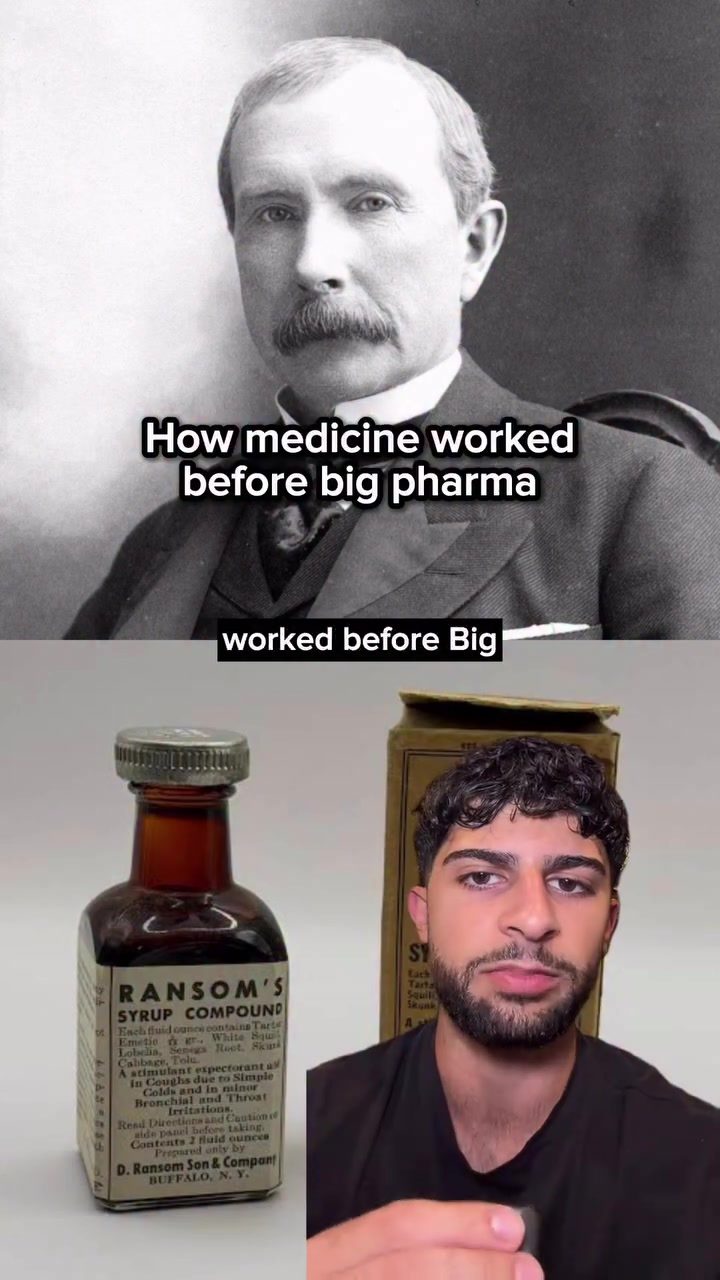
How Medicine Worked Before Big Pharma
Before the rise of large pharmaceutical companies, medical practices were vastly different. Hospitals employed a variety of natural and straightforward methods to promote healing and recovery. These practices, while sometimes overlooked in modern times, offer valuable insights into the effectiveness of natural remedies and simple technologies. Here, we explore five key historical medical practices that were once commonplace in hospitals.
Context / Why This Matters
Understanding historical medical practices provides a broader perspective on healthcare. It highlights the shift from natural remedies to synthetic solutions and the potential benefits of integrating old and new practices. This knowledge can inspire innovation and improve modern healthcare approaches by learning from the past.
Main Discussion
1. Sun Decks and Heliotherapy
One of the most striking differences in historical medicine is the use of sun decks. Hospitals would wheel patients outside for direct sunlight exposure, a practice known as heliotherapy. This method was used to treat a variety of ailments, from skin conditions to general weakness. The rationale behind heliotherapy was that sunlight has natural healing properties, including the production of vitamin D, which is essential for bone health and immune function. While modern medicine has moved away from this practice, there is growing interest in the benefits of sunlight for mental and physical health.
2. Honey as a Natural Antimicrobial
Honey, particularly Manitoba honey, was widely used in hospitals for its natural antibacterial properties. It was applied to wounds, burns, and even used to soothe sore throats. The natural antimicrobial and anti-inflammatory properties of honey made it an effective treatment for various infections and skin conditions. Today, medical-grade honey is still used in some hospitals for wound care, highlighting its enduring effectiveness.
3. Copper Cups for Purification
Copper cups were commonly used in hospitals because copper naturally kills bacteria and purifies stored water. This practice predates modern water treatment methods and showcases the historical use of metals for their antimicrobial properties. Copper's ability to inhibit bacterial growth makes it a valuable material in healthcare settings, even today. Some modern researchers are exploring the use of copper surfaces in hospitals to reduce the spread of infections.
4. Light Therapy with UV and Infrared Light
Before the advent of modern pharmaceuticals, light therapy using UV and infrared light was standard medical equipment. These therapies were used to treat various conditions, from skin disorders to infections. UV light, in particular, has been shown to have disinfectant properties, while infrared light can promote healing and reduce inflammation. While light therapy is not as widely used today, it remains a valuable therapeutic tool in some specialized treatments.
5. Linen Sheets for Comfort and Hygiene
Linen sheets were the bedding of choice in hospitals due to their naturally antimicrobial and breathable properties. Unlike synthetic materials, linen allows for better airflow and helps regulate body temperature, which is beneficial for recovery. Additionally, linen’s natural antimicrobial properties reduce the risk of infections. As synthetic materials became more prevalent, linen sheets gradually fell out of favor, but there is a resurgence of interest in natural, breathable fabrics for their comfort and health benefits.
Practical Tips
While modern medicine has made significant advancements, incorporating some of these historical practices can offer additional benefits. Here are a few practical tips inspired by these old practices:
Incorporate Natural Remedies
Consider using natural remedies like honey for minor wounds and burns. Its antimicrobial properties can help prevent infections and promote healing.
Spend Time in the Sun
Spending time outdoors and getting natural sunlight can boost your vitamin D levels, which are crucial for bone health and immune function.
Choose Copper Utensils
Using copper utensils and containers for storing water can help keep it free from bacteria. Copper’s antimicrobial properties make it a safe and effective choice.
Explore Light Therapy
Light therapy can be beneficial for various conditions, from skin disorders to pain management. Consult a healthcare provider to see if light therapy is suitable for your needs.
Opt for Natural Fabrics
Choose bedding made from natural fabrics like linen. They are breathable, antimicrobial, and more comfortable, promoting better sleep and recovery.
Important Takeaways
The shift from natural remedies to synthetic solutions has brought about significant advancements in healthcare. However, rediscovering and integrating some of these historical practices can provide a more holistic approach to health and wellness. Many historical remedies, such as heliotherapy, honey, and copper, have natural properties that can complement modern treatments effectively.
Conclusion
Historical medical practices offer valuable insights into the effectiveness of natural remedies and simple technologies. By understanding and incorporating some of these practices, we can enhance modern healthcare approaches and improve overall well-being. The integration of old and new practices holds the potential to create a more comprehensive and effective healthcare system.
Watch the Reel
Questions readers ask
What role did sunlight play in historical medical practices?
Sunlight was intentionally used in historical hospitals to promote healing. Known as heliotherapy, this practice involved exposing patients to direct sunlight to boost their health and was particularly common for treating conditions like tuberculosis and rickets.
How was honey used in historical medical practices?
Honey served as a natural antiseptic in many historical medical practices. It was applied to wounds to prevent infection due to its antibiotic properties. This method was particularly effective before the advent of modern pharmaceuticals.
What are some examples of natural healing methods used in historical hospitals?
Historical hospitals utilized a variety of natural healing methods, including the use of herbs, plants, and simple technologies. For instance, certain plants were used for their anti-inflammatory properties, while others were used for their pain-relieving effects.
Why is it important to study historical medical practices?
Studying historical medical practices provides insights into the effectiveness of natural remedies and simple technologies. It offers a broader perspective on healthcare and can inspire innovation by integrating old and new practices.
What was the significance of historical hospitals using natural antiseptics?
Natural antiseptics like honey were crucial in historical hospitals as they helped prevent infections before modern pharmaceuticals were available. The antibiotic properties of honey made it an effective tool in maintaining hygiene and promoting healing.
How did the medical practices before the rise of Big Pharma differ from modern medicine?
Medical practices before the rise of Big Pharma focused heavily on natural remedies and simple technologies. In contrast, modern medicine often relies on synthetic drugs and advanced technologies, but historical practices offer insights that could complement today's approaches.
What is the history of sunlight therapy (heliotherapy) in medicine?
Sunlight therapy, or heliotherapy, has a rich history in medicine, especially before the advent of pharmaceuticals. It was commonly used in historical hospitals to treat a range of conditions, from skin disorders to respiratory illnesses, by leveraging the healing properties of sunlight.
Related deep dives
Similar reads based on topic and creator.



Recent articles
Fresh deep dives from the latest Reels we unpacked.




Comments
Be the first to comment.