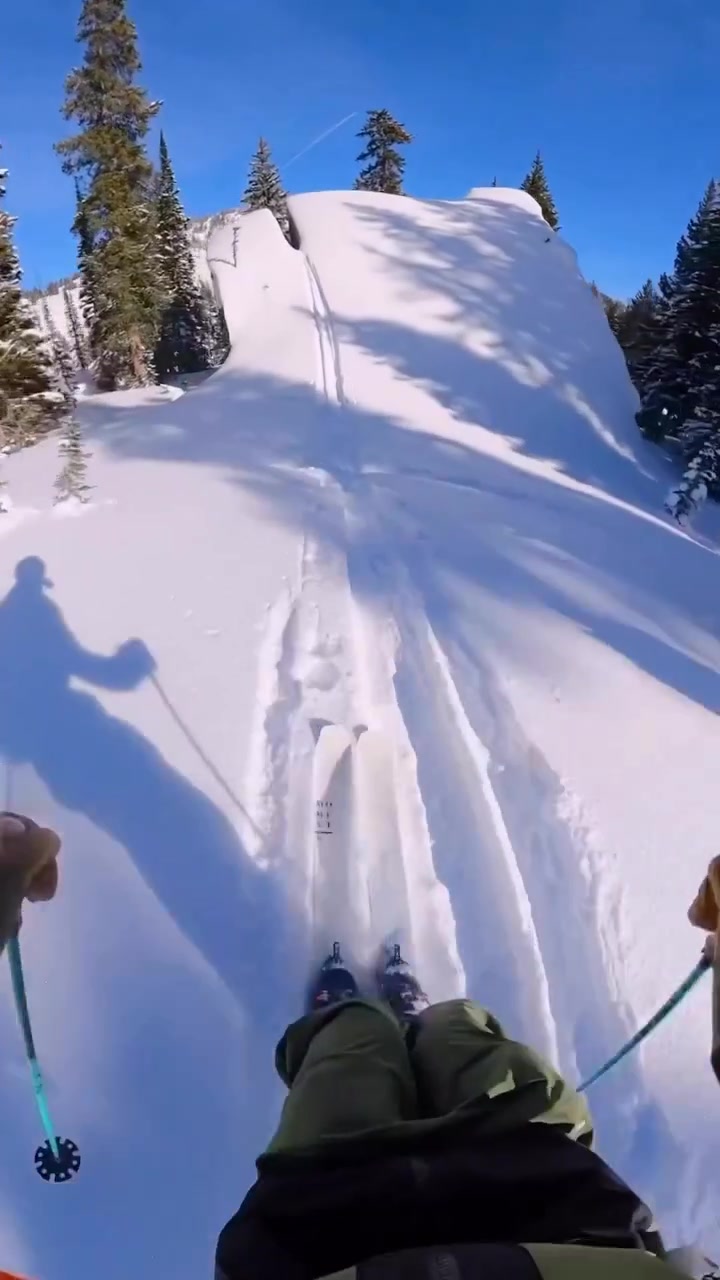
Any skier will tell you that navigating a steep, snow-covered slope is an exhilarating dance with gravity. As soon as the skies open up and the trails become slick, skiing transforms into an adventure where every twist and turn demands attention. The thrill of hurtling downhill while everything around you rushes by is what draws many to the slopes.
When Gravity Becomes Your Playmate
Skiing is more than a sport: it’s an immersive experience where the skier must constantly adjust to ever-changing terrain. A steep, snow-covered slope, such as the track seen in the OCR reveals, offers a particularly thrilling challenge. This downhill skiing, downhill racing gives a sense of speed and excitement that’s hard to replicate. The skis, the main equipment, are more than just tools; they are extensions of the skier’s body, gliding across the snow with a fluid motion and connecting the skier to the mountain. Every detail matters in skiing. The right pair of skis can significantly impact your performance. The choice of ski depends on the experience level, the type of terrain, and the conditions. Typically, skiers opt for skis that offer a mix of agility for making sharp turns and stability for high-speed runs. Gear like skis can also vary significantly in shape, length, and sidecut, which affects handling and control. The capture of the experience—whether it happens in real-time or through a video—is equally important. In the footage, the skier navigates through the terrain, zooming through the powdery snow. The video captures the speed and excitement of the downhill skiing experience. Even the cracked mountainside and the bright blue sky visible in the background add to the thrill of the journey.
The Sport in the Age of Brave Immersives
Skiing has long been a favorite winter pastime, but the attraction of downhill skiing has expanded in recent years. Skiing down a snowy slope, in part due to viral videos showing the sport in its most immersive form. There's an undeniable charm in the raw, visceral experience of carving through the snow at high speeds, with the rush of wind and the whir of skis as the soundtrack. The immersive nature of first-person perspective skiing footage further heightens this allure, offering a front-row seat to the exhilaration. This adventure sport is more inclusive than ever, with ski resorts worldwide offering terrain suitable for all skill levels. Beginners can start on gentle slopes before tackling more challenging runs, an aspect of snowboarding that segregate it from skiing.. Technology and equipment advancements have also made skiing more accessible, with lighter, more maneuverable skis and improved bindings enhancing the overall experience. Gone are the days of clunky, heavy gear; modern ski equipment is designed for ease of use and better performance. As downhill racers, the young skiers have opted for sharp handling and greater speeds.
The Symphony of Skis on Snow
The Science of Downhill Design
Downhill skis are designed with longer, wider bodies and larger sidecuts, allowing for greater stability and speed, and making them ideal for fast, precise turns. Unlike ski skis, the wider stance of downhill skis helps maintain stability at high speeds. The materials used in their construction, such as carbon fiber, magnesium, and reinforced composite, ensure durability and performance.
Navigating the Turns
Turning is an essential aspect of skiing, and mastering it can make or break your experience. To initiate a turn, skiers apply pressure to the ski’s edges, causing them to carve into the snow. The technique requires a good balance and control over the ski’s angle, allowing skiers to navigate through the terrain with precision and ease.
Feeling the Slope
The thrill of skiing down a snowy slope is an experience that reaches beyond the physical. Racing downhill, adrenaline courses through your veins, and every sense is heightened. The crunch of snow under the skis, the wind rushing past your ears, and the breathtaking views all contribute to a feeling of exhilaration. The way the snow glides effortlessly under the skis and that bright blue sky in the background; it gives an almost surreal feel, deepening the bond between the skier and the mountain
Skiing Tips and Guidelines
Choosing skis that match both your skill level and the specific terrain you plan to navigate is the crucial groundwork. Here a guide to optimizing your experience on the slopes:
- Head to Bright Skied Trail Runs: If you’re new to skiing, consider starting on trails marked to start with beginner slopes. They offer a gentle introduction, allowing you to build confidence and skills before tackling more challenging terrain.
- Warm Up Routine: Always warm up before hitting the slopes. A short session of stretching, and basic drills prepare your muscles for the demands of skiing.
- Prioritize Safety Gear: Ensure that your helmet fits snugly and that your bindings are properly adjusted. Safety should always be your top priority
The Thrill of Speed
The raw excitement of skiing down a snowy slope is an experience that’s hard to replicate. The speed, the adrenaline, and the connection to nature make it a truly unforgettable adventure. Whether you’re a seasoned skier or a beginner, the thrill of the descent is a feeling that keeps you coming back for more.
Watch the Reel
Questions readers ask
What makes downhill skiing different from other forms of skiing?
Downhill skiing is unique because it involves navigating steep, snow-covered slopes at high speeds. Unlike other forms of skiing, downhill skiing focuses on the exhilaration of speed and the precision of turns, making it a thrilling and immersive experience. The gear used, such as longer, wider skis with larger sidecuts, is specifically designed for stability and speed, enhancing the downhill experience.
How do the skis used in downhill skiing differ from those used in other types of skiing?
Downhill skis are typically longer, wider, and have a larger sidecut compared to skis used in other types of skiing. These features allow for greater stability and speed, making them ideal for fast, precise turns on steep slopes. The design of downhill skis is specifically tailored to handle the unique demands of downhill racing, providing a more thrilling and immersive experience.
What role do immersive videos play in the popularity of downhill skiing?
Immersive videos have significantly contributed to the resurgence of downhill skiing by capturing the exhilaration and thrill of the sport. These videos offer a front-row seat to the experience, making it more accessible and appealing to viewers. The raw, visceral nature of the footage, along with the sense of speed and excitement, has drawn many to try the sport for themselves.
What are the benefits of modern ski equipment for beginners and experienced skiers?
Modern ski equipment is designed to be lighter and more maneuverable, making it easier for beginners to learn and for experienced skiers to enhance their performance. Advancements in technology have led to improved bindings and more versatile skis, catering to a wide range of skill levels and terrains. This has made skiing more accessible and enjoyable for everyone, from novices to seasoned downhill racers.
What are the key differences between downhill skiing and snowboarding in terms of terrain suitability?
Downhill skiing and snowboarding have different terrain preferences. Skiing allows for a more gradual progression from gentle slopes to more challenging runs, making it more versatile for all skill levels. On the other hand, snowboarding often requires more advanced skills to navigate similar terrains, which can be more demanding for beginners. This difference in terrain suitability can influence a person's choice between the two sports.
How does the design of downhill skis contribute to the overall skiing experience?
The design of downhill skis, with their longer, wider bodies and larger sidecuts, is crucial for the overall skiing experience. These features provide greater stability and speed, allowing skiers to make precise turns and maintain control at high speeds. The design also enhances the connection between the skier and the mountain, making the downhill skiing experience more immersive and thrilling.
Are there specific techniques or skills that are unique to downhill skiing?
Downhill skiing requires a unique set of techniques and skills to navigate steep, snow-covered slopes. Skiers need to maintain balance and control while adjusting to ever-changing terrain, making quick turns, and maintaining speed. The ability to read the slope and anticipate changes is crucial, as well as the physical agility to adapt to the demands of the terrain. These skills are honed through practice and experience, making downhill skiing a challenging yet rewarding sport.
Related deep dives
Similar reads based on topic and creator.

Recent articles
Fresh deep dives from the latest Reels we unpacked.



Comments
Be the first to comment.