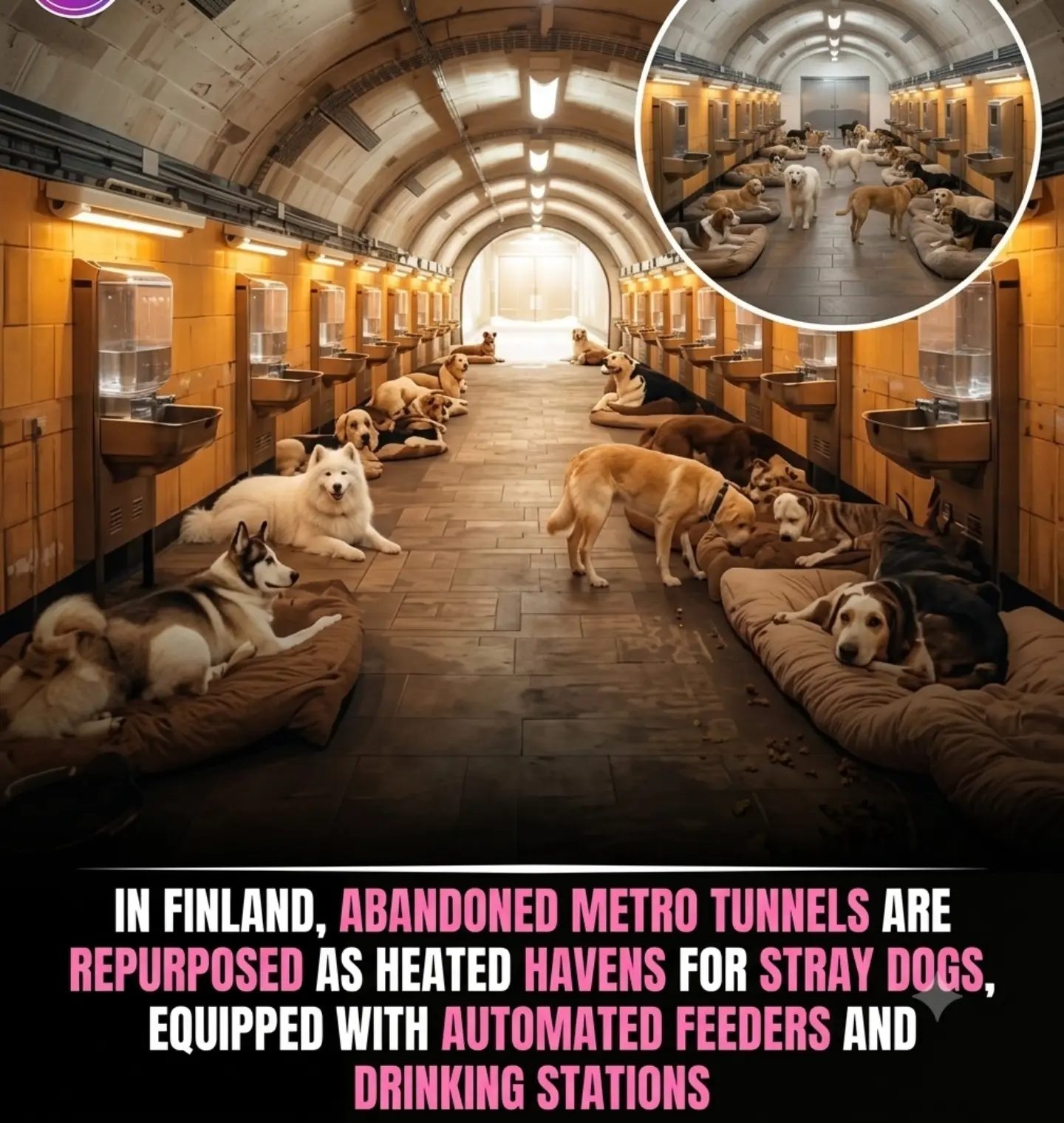
Dog Shelters in Abandoned Metro Tunnels
In Finland, abandoned metro tunnels have been ingeniously repurposed as heated havens for stray dogs. These underground shelters are equipped with automated feeders and drinking stations, providing a comfortable and secure environment for animals in need. This innovative approach not only addresses the issue of stray animal care but also makes use of otherwise unused urban infrastructure.
Why This Matters
The concept of repurposing abandoned metro tunnels for animal shelters is a prime example of how cities can innovate to better care for stray animals. With increasing numbers of stray dogs in urban areas, finding effective and efficient solutions for their welfare is crucial. These repurposed shelters offer a model that could be replicated in other cities facing similar challenges.
The Incredible Dog Shelters
A Unique Solution
In Finland, abandoned metro tunnels have been transformed into a haven for stray dogs. These underground spaces provide a safe and secure environment, shielding the animals from the harsh winter conditions. The shelters are not only heated but also equipped with automated feeders and drinking stations, ensuring that the dogs have access to food and water at all times. This setup is a remarkable example of how urban spaces can be repurposed for innovative and beneficial uses.
Comfort and Care
The tunnels are outfitted with comfortable beds and other amenities to ensure the dogs' well-being. This setup is particularly beneficial for stray dogs and other animals that might be out on the streets during harsh winter months. By providing a warm, secure space, these shelters significantly enhance the animals' quality of life and reduce their exposure to the elements.
Innovative Technology
Automated feeders and drinking stations are key components of these shelters. These technological advancements ensure that the dogs receive a consistent supply of food and water without the need for constant human intervention. This not only makes the shelters more efficient but also reduces the burden on caregivers and volunteers.
Pluses for Cities and Animals
Environmental Impact
Repurposing abandoned metro tunnels reduces the need for new construction, which in turn reduces the environmental footprint. This is a win-win situation where unused infrastructure is given a new lease on life, while also providing a much-needed service to the community.
Community Engagement
These shelters also have the potential to foster community engagement. By volunteer-driven initiatives or partnerships with local animal welfare organizations, these shelters can bring neighbors together for a common cause, promoting a sense of community and responsibility.
Practical Tips
Replicating the Model
Cities looking to implement similar shelters can start by identifying unused or abandoned infrastructure. Abandoned tunnels, basements, and other enclosed spaces can be repurposed to serve as animal shelters. The key is to ensure these spaces are insulated and equipped with heating systems to maintain a comfortable temperature.
Technology Integration
Automated feeders and drinking stations are essential for the efficient operation of these shelters. There are a variety of systems available on the market, and the choice will depend on the specific needs and budget of the shelter. Researching and investing in reliable technology can significantly improve the quality of care provided.
Community Involvement
Engaging the local community is crucial for the success of these shelters. Volunteers can help with feeding, cleaning, and providing medical care. Local businesses and organizations can also contribute through donations of food, supplies, and financial support.
Important Takeaways
The Importance of Innovation
Innovative solutions like repurposing abandoned metro tunnels for animal shelters demonstrate the potential for creative problem-solving in urban environments. By leveraging existing infrastructure, cities can address multiple challenges, including animal welfare and environmental sustainability.
The Role of Technology
Technology plays a critical role in the operation of these shelters. Automated feeders and drinking stations ensure that animals receive consistent care, reducing the need for constant human oversight. This not only makes the shelters more efficient but also more sustainable in the long run.
Community Engagement
Community involvement is essential for the success of these initiatives. By fostering a sense of shared responsibility, cities can create a more compassionate and caring environment for all residents, including animals.
Conclusion
The concept of repurposing abandoned metro tunnels as dog shelters in Finland is a remarkable example of urban innovation. By providing a safe, secure, and comfortable environment for stray dogs, these shelters not only improve animal welfare but also make efficient use of existing infrastructure. This model can be replicated in other cities, offering a sustainable and effective solution to the challenges of stray animal care. By combining innovative technology with community engagement, cities can create a more compassionate and efficient approach to animal welfare.
Watch the Reel
Questions readers ask
How do the abandoned metro tunnels in Finland benefit stray dogs?
The abandoned metro tunnels in Finland provide a secure and heated environment for stray dogs. This innovative shelter design offers protection from harsh weather conditions and ensures the dogs' safety from urban hazards. The tunnels are equipped with automated feeders and drinking water stations, guaranteeing the dogs' basic needs are met.
What makes these shelters unique compared to traditional dog shelters?
These shelters are unique because they repurpose existing, unused infrastructure—abandoned metro tunnels. By doing so, they offer a creative solution to both the issue of urban stray dogs and the problem of underutilized city spaces. Unlike traditional shelters, they provide a more integrated and environmentally friendly approach to animal care.
How do automated feeders and drinking stations improve the welfare of the dogs?
Automated feeders and drinking stations ensure that the dogs have access to food and water consistently, minimizing their stress and health risks. These systems eliminate the need for frequent human intervention, providing a more stable and reliable source of sustenance for the dogs. This consistency is crucial for the dogs' overall well-being and growth.
Are there any other cities considering a similar approach to stray dog care?
While the concept is innovative and has gained attention, specifics on other cities planning to replicate this model are not detailed in the article. However, the success of this initiative in Finland could inspire other urban areas to explore similar solutions, especially those with significant populations of stray dogs and underutilized infrastructure.
What challenges might cities face when implementing such a shelter system?
Cities might face logistical challenges such as ensuring the tunnels are safe and secure for the dogs, maintaining the automated feeding and watering systems, and managing the overall infrastructure. Additionally, there may be regulatory and public perception hurdles to overcome, as repurposing abandoned metro tunnels for animal shelters is a novel concept. Each city would need to assess these factors to determine feasibility.
How does this initiative benefit the city beyond improving dog welfare?
This initiative benefits the city by repurposing unused infrastructure, which can reduce maintenance costs and potentially improve urban aesthetics. It also showcases the city's commitment to innovative problem-solving and animal welfare, which can enhance its public image. Additionally, addressing the stray dog population can lead to a cleaner, safer urban environment.
Related deep dives
Similar reads based on topic and creator.


Recent articles
Fresh deep dives from the latest Reels we unpacked.




Comments
Be the first to comment.