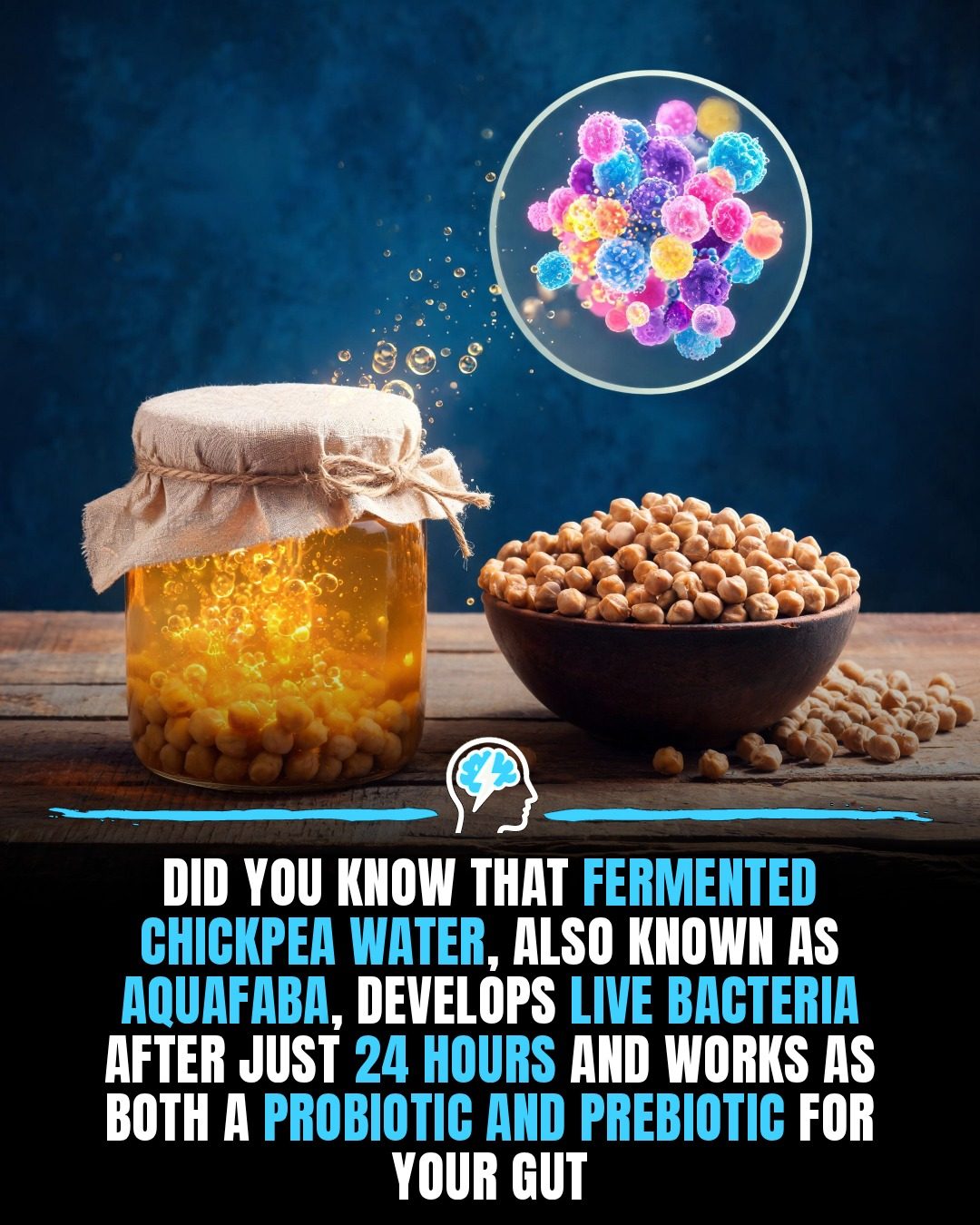
Chickpea Water Fermentation
Chickpea water, or aquafaba, is the liquid left over from cooking or canning chickpeas. This seemingly innocuous by-product has gained attention for its potential health benefits, particularly when fermented. Fermentation is a process where beneficial microorganisms, like bacteria and yeasts, break down the sugars in food, creating a variety of health-promoting compounds. The fermentation of chickpea water is a simple process that can enhance your gut health and overall well-being.
Why This Matters
The gut plays a crucial role in our overall health, influencing digestion, nutrient absorption, and even mental clarity. Fermented foods and beverages, like aquafaba, can support a healthy gut by providing both prebiotics and probiotics. Prebiotics feed the beneficial gut bacteria, helping them thrive, while probiotics introduce new beneficial bacteria. This dual action can strengthen the gut lining, improve digestion, and support the immune system.
Main Discussion
What is Aquafaba and Why Ferment It?
Aquafaba is the viscous, starchy liquid that remains after cooking or canning chickpeas. It consists of saponins, proteins, and other complex carbohydrates, which can be fermented to develop beneficial microorganisms. Fermentation transforms the aquafaba into a gut-healthy elixir, rich in probiotics and prebiotics.
The fermentation process is straightforward. Simply leave the aquafaba at room temperature for about 24 hours in a clean glass container. During this time, beneficial bacteria, such as lactic acid bacteria, will start to multiply, creating a natural probiotic.
The Science Behind Fermented Aquafaba
Fermented aquafaba contains oligosaccharides, complex carbohydrates that feed the existing gut flora. These oligosaccharides act as prebiotics, supporting the growth and diversity of beneficial bacteria in the gut. Simultaneously, the fermentation process produces lactic acid bacteria, which become probiotics. These probiotics reinforce the gut's microbial balance, promoting better digestion and nutrient absorption.
Benefits of Fermented Aquafaba
Fermented aquafaba offers a range of health benefits:
- Supports Gut Health: The prebiotic and probiotic properties of fermented aquafaba help maintain a healthy gut microbiome, which is essential for optimal digestion and nutrient absorption.
- Boosts Immune Function: A healthy gut microbiome supports a robust immune system, helping the body fight off infections and diseases.
- Enhances Mental Clarity: Research has shown that a healthy gut can positively influence mental health, leading to better focus, improved mood, and reduced stress.
- Provides Steady Energy: Fermented aquafaba can help regulate blood sugar levels, preventing energy crashes and providing a steady energy supply.
- Dairy-Free Option: For those with lactose intolerance or a preference for plant-based diets, fermented aquafaba offers a dairy-free alternative to yogurt or kefir, providing the same gut health benefits.
Fermented Aquafaba vs. Other Fermented Foods
While there are many fermented foods and beverages available, such as yogurt, kefir, and kombucha, fermented aquafaba stands out for several reasons:
- Plant-Based: Fermented aquafaba is a plant-based option, making it suitable for vegans and those with lactose intolerance or dairy allergies.
- Economic: Aquafaba is a by-product of chickpea cooking, making it an economical choice for boosting gut health.
- Simple Preparation: Unlike some fermented foods that require special equipment or starters, fermented aquafaba is easy to make at home with a simple fermentation process.
Practical Tips for Using Fermented Aquafaba
To make the most of fermented aquafaba, here are a few tips:
Storing and Using Fermented Aquafaba
- Storage: Store the fermented aquafaba in a clean, airtight glass container in the refrigerator. This will help maintain its freshness and potency.
- Usage: Fermented aquafaba can be incorporated into various recipes, such as smoothies, dressings, or even as a base for vegan cooking experiments. Its mild flavor and creamy texture make it a versatile ingredient.
Monitoring the Fermentation Process
- Smell and Appearance: Keep an eye on the smell and appearance of the aquafaba during fermentation. A slight effervescence and a tangy aroma are signs of successful fermentation.
- Taste: Give it a taste. Fermented aquafaba should have a slightly tangy flavor, similar to yogurt or kefir.
Important Takeaways
- Fermented aquafaba is a simple and effective way to boost gut health.
- The fermentation process takes approximately 24 hours and requires no special equipment.
- Aquafaba offers both prebiotic and probiotic benefits, supporting a healthy gut microbiome.
- Fermented aquafaba is a plant-based, dairy-free option with a wide range of culinary applications.
Conclusion
Fermented aquafaba is a powerful and accessible tool for enhancing gut health. By simply fermenting the liquid left over from cooking or canning chickpeas, you can create a probiotic-rich elixir that supports digestion, boosts immunity, and promotes mental clarity. Whether you choose to drink it straight, incorporate it into smoothies, or use it as a base for vegan cooking experiments, fermented aquafaba is a versatile and economical addition to any health-conscious diet.
Watch the Reel
Questions readers ask
What is aquafaba and how do I obtain it?
Aquafaba is the viscous liquid found in cans or jars of chickpeas. To obtain it, simply drain a can or jar of chickpeas, reserving the liquid. You can use this liquid to make fermented aquafaba which has many health benefits.
What are the benefits of fermenting aquafaba?
Fermenting aquafaba introduces beneficial microorganisms to the body. This process can strengthen your gut lining, improve digestion, and bolster your immune system. Additionally, it provides both prebiotics and probiotics, supporting overall gut health.
How long does it take to ferment aquafaba?
The fermentation process for aquafaba typically takes about 24 hours. During this time, the beneficial microorganisms break down the sugars in the aquafaba, creating a variety of health-promoting compounds.
What equipment do I need to ferment aquafaba?
To ferment aquafaba, you will need a clean glass jar with a lid, a breathable material like cheesecloth or a coffee filter to cover the jar, and a rubber band to secure it. Additionally, you will need a spot to leave the jar undisturbed during the fermentation process.
What does aquafaba taste like after fermentation?
After fermentation, aquafaba may have a tangy, slightly sour taste, similar to other fermented beverages. This change in taste is due to the production of organic acids by the beneficial microorganisms during the fermentation process.
Can I use homemade aquafaba for fermentation?
Yes, you can use homemade aquafaba for fermentation. To make homemade aquafaba, cook dried chickpeas and reserve the liquid after cooking. Allow the liquid to cool before beginning the fermentation process.
What are the signs of successful aquafaba fermentation?
After 24 hours, successful fermentation will give the aquafaba a tangy aroma and a slightly effervescent quality. You may also notice a thin layer of foam or scum on the surface, which is a normal byproduct of the fermentation process.
Related deep dives
Similar reads based on topic and creator.




Recent articles
Fresh deep dives from the latest Reels we unpacked.




Comments
Be the first to comment.