European Royal Succession: A New Era of Female Leadership
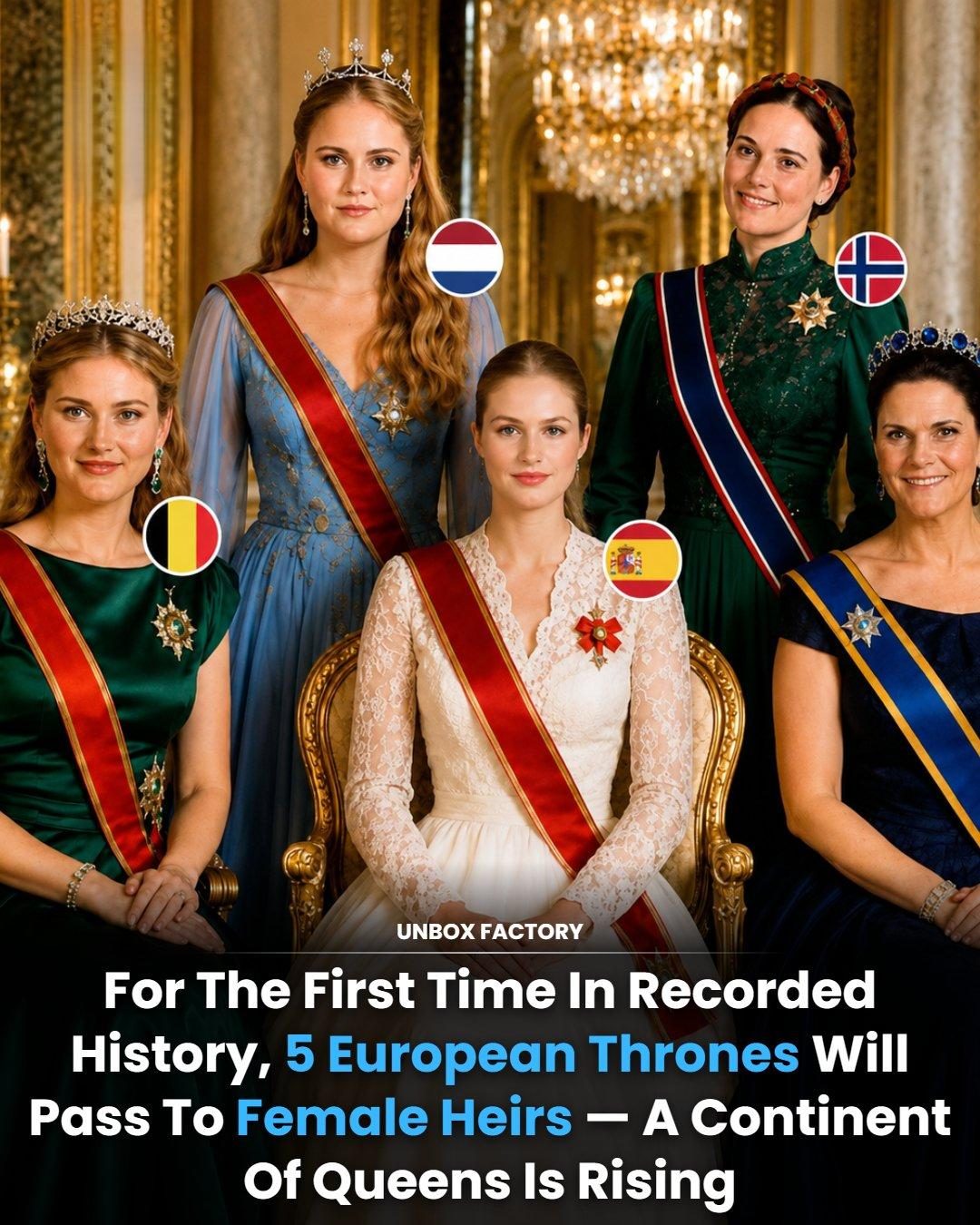
European royalty is on the cusp of a significant shift, with five major monarchies preparing to pass their thrones to female heirs. This unprecedented event is set to redefine the landscape of European monarchy, reflecting broader societal changes and legal reforms. The historic milestone involves Spain, Sweden, Belgium, Norway, and the Netherlands, all of which are expected to have female heirs first in line to their thrones. This shift underscores the widespread adoption of absolute primogeniture, a succession system that prioritizes the eldest child regardless of gender.
Why This Matters
The impending succession of five European thrones to female heirs is more than just a royal transition; it signifies a broader evolution in European society. This historic event underscores the progressive changes in gender equality and the modernization of centuries-old succession laws. As European monarchies adapt to contemporary values, the rise of female rulers in Europe represents a monumental shift in traditional power dynamics. This transformation is not isolated to royal families; it mirrors societal advancements towards gender equality and the empowerment of women in leadership roles.
The Shift Towards Absolute Primogeniture
Understanding Absolute Primogeniture
Absolute primogeniture is a succession system that designates the eldest child, regardless of gender, as the rightful heir to the throne. This system contrasts with the traditional male-preference primogeniture, which prioritizes male heirs over females. The shift towards absolute primogeniture represents a significant departure from past practices and aligns with modern principles of gender equality.
Modernization of Succession Laws
Over the past few decades, many European monarchies have revised their succession laws to embrace absolute primogeniture. This modernization reflects a broader societal shift towards gender equality. Countries like Spain, Sweden, Belgium, Norway, and the Netherlands have all adopted absolute primogeniture, ensuring that the eldest child, regardless of gender, has the right to inherit the throne.
The Future of European Royalty
Spain: Princess Leonor
In Spain, Princess Leonor is first in line to the throne, succeeding her father, King Felipe VI. Leonor's ascension to the throne will mark a historic moment, as she is set to become the first female monarch in Spain's modern history. Leonor's position as the heir apparent is a testament to Spain's commitment to absolute primogeniture and gender equality.
Sweden: Princess Estelle
Sweden is another country where the future looks bright for female leadership. Princess Estelle, the eldest child of Crown Princess Victoria, is first in line to the Swedish throne. Victoria's decision to embrace absolute primogeniture has paved the way for Estelle's future reign, ensuring that the Swedish monarchy continues to evolve with contemporary values.
Belgium: Princess Elizabeth
In Belgium, Princess Elizabeth, the eldest child of King Philippe and Queen Mathilde, is set to become the first female monarch in the country's history. Elizabeth's ascension to the throne will further solidify Belgium's commitment to absolute primogeniture and gender equality, reflecting broader societal changes.
Norway: Princess Ingrid Alexandra
Norway is also preparing for a future female ruler. Princess Ingrid Alexandra, the eldest child of Crown Prince Haakon and Crown Princess Mette-Marit, is first in line to the throne. Ingrid Alexandra's future reign will mark a significant milestone for Norway, as it becomes one of the few countries with a female monarch.
The Netherlands: Princess Catharina-Amalia
In the Netherlands, Princess Catharina-Amalia, the eldest child of King Willem-Alexander and Queen Máxima, is set to become the future queen. Catharina-Amalia's ascension to the throne will continue the Netherlands' tradition of embracing absolute primogeniture and gender equality, ensuring a progressive future for the Dutch monarchy.
Practical Tips for Understanding Royal Succession
Understanding the intricacies of royal succession can be challenging, but there are a few key points to keep in mind. First, it's essential to recognize the differences between absolute primogeniture and male-preference primogeniture. Absolute primogeniture prioritizes the eldest child, regardless of gender, while male-preference primogeniture gives precedence to male heirs. Additionally, it's important to stay informed about the succession laws in different European monarchies, as they can vary significantly.
Important Takeaways
The impending succession of five European thrones to female heirs is a historic event that reflects broader societal changes and legal reforms. This shift towards absolute primogeniture underscores the importance of gender equality and the modernization of traditional power dynamics. As European monarchies adapt to contemporary values, the rise of female rulers represents a significant step forward in the evolution of European royalty.
Conclusion
The future of European royalty is poised for a historic transformation, with five major monarchies preparing to pass their thrones to female heirs. This unprecedented event reflects broader societal changes and the widespread adoption of absolute primogeniture. As Spain, Sweden, Belgium, Norway, and the Netherlands embrace gender equality in succession, a new era of female leadership is on the horizon. This shift towards absolute primogeniture and the modernization of succession laws not only redefines the landscape of European monarchy but also underscores the progressive changes in gender equality and the empowerment of women in leadership roles.
Watch the Reel
Questions readers ask
Which European monarchies are preparing for female succession?
Five European monarchies are preparing for female succession: Spain, Sweden, Belgium, Norway, and the Netherlands. Each of these countries has adopted absolute primogeniture, which allows the eldest child, regardless of gender, to ascend to the throne.
What is absolute primogeniture and why is it significant?
Absolute primogeniture is a succession system that determines the line of inheritance based on birth order, regardless of gender. It is significant in this context because it allows female heirs to inherit the throne, promoting gender equality within European royal families and reflecting broader societal changes.
Who are some of the future queens of Europe?
While specific names can change based on current royal family dynamics, some of the potential future queens include Princess Leonor of Spain, Princess Ingeborg of Denmark, Princess Elisabeth of Belgium, Princess Ingrid Alexandra of Norway, and Princess Catharina-Amalia of the Netherlands. These women are expected to succeed their fathers or grandfathers as their respective countries move toward female succession.
What does this shift indicate about the future of European monarchy?
The shift towards female succession in European monarchies indicates a future where gender is no longer a barrier to leadership. This transition reflects a commitment to gender equality and the evolution of traditional royal practices, positioning European royalty as a progressive institution.
How do European monarchies determine the line of succession?
European monarchies determine the line of succession through a combination of constitutional laws and traditional practices. In countries adopting absolute primogeniture, the eldest child, regardless of gender, is first in line for the throne. This system has been adopted by the monarchies of Spain, Sweden, Belgium, Norway, and the Netherlands, ensuring a more inclusive approach to succession.
What changes can we expect to see in European royal families with these upcoming transitions?
With the upcoming transitions, European royal families are likely to see a more prominent role for women in leadership positions. This shift may also influence public perception and the roles within the royal households, fostering a more inclusive and modern approach to monarchy.
Related deep dives
Similar reads based on topic and creator.




Recent articles
Fresh deep dives from the latest Reels we unpacked.




Comments
Be the first to comment.