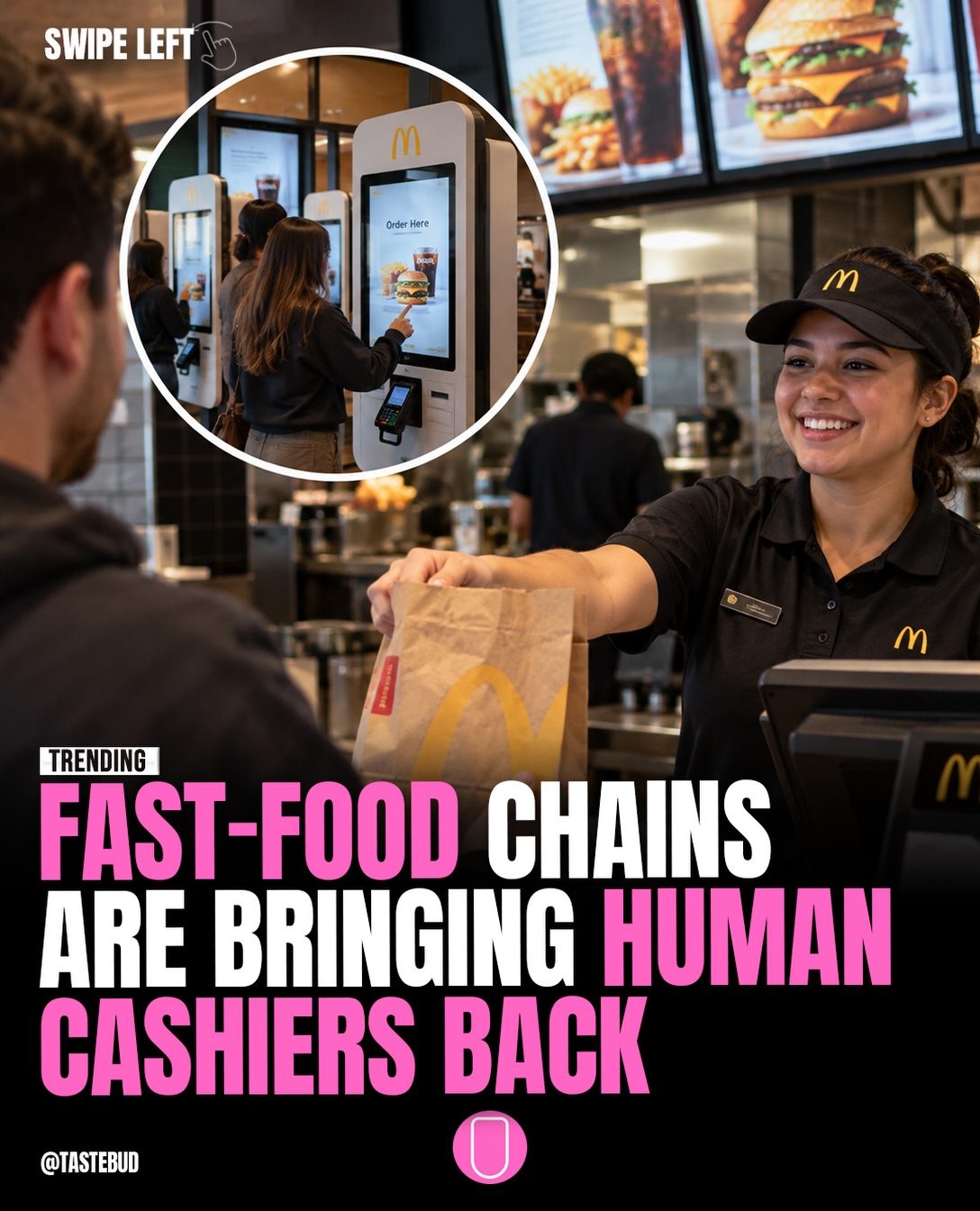
The Return of the Human Touch
Fast-food chains are reversing course on automation, bringing back human cashiers. This pivot isn't merely about nostalgia—it’s driven by practical, economic factors. A survey of 600 restaurant operators found that 30 percent plan to raise prices again. Behind the scenes, the real driver for the return is rising labor costs and food and equipment expenses. One of the most cited reasons for this shift is the complexity of human interaction. While automation can handle simple tasks, it falls short when it comes to dealing with the unpredictable nature of customer service. Fast-food chains are learning that automating customer interactions isn't just about technology—it's about relationships. The shift back to human cashiers isn't just about cost cutting, it's about the tangible benefits of customer interaction. Human cashiers offer immediate support, and they are able to handle nuanced customer interactions. They can provide a degree of personal touch that automated systems lack. Essentially the human employees are agile in their job tasks, whereas the automated system may require frequent maintenance and expensive updates.
The Economic Pivotal Shift
The restaurant industry is grappling with substantial financial pressures, especially the rising labor costs. Food and machinery expenses are on the increase. 30 percent of the restaurant operators plan to increase prices. The economic cost of convenience is becoming a bare-knuckle reality when managers weigh up the costs of human oversight versus the labor-saving technology. This is part of the reason why fast-food chains have pivoted towards human cashiers. This transition is a strategic move to save money and stay competitive, so their return has economic sense. .
Closer Inspection
A drive through the fast-food landscape, and you'll see that even automaton focused giants like McDonald's and Burger King are now re-embracing human interactions. Fast-food companies like McDonald's are pivoting fast. This trend isn't just about nostalgia—it’s a strategic move to tackle rising labor costs and equipment expenses, which are driving up prices. The companies are most likely finding a balance, maintaining the efficiency of their automated systems while keeping human cashiers on staff for support. Among restaurant operators, the prevailing sentiment is clear: 30 percent plan to raise prices. Rising labor costs and equipment expenses are making it difficult for fast-food chains to keep prices at their current level.
Watch the Reel
Related deep dives
Similar reads based on topic and creator.



Recent articles
Fresh deep dives from the latest Reels we unpacked.

Comments
Be the first to comment.