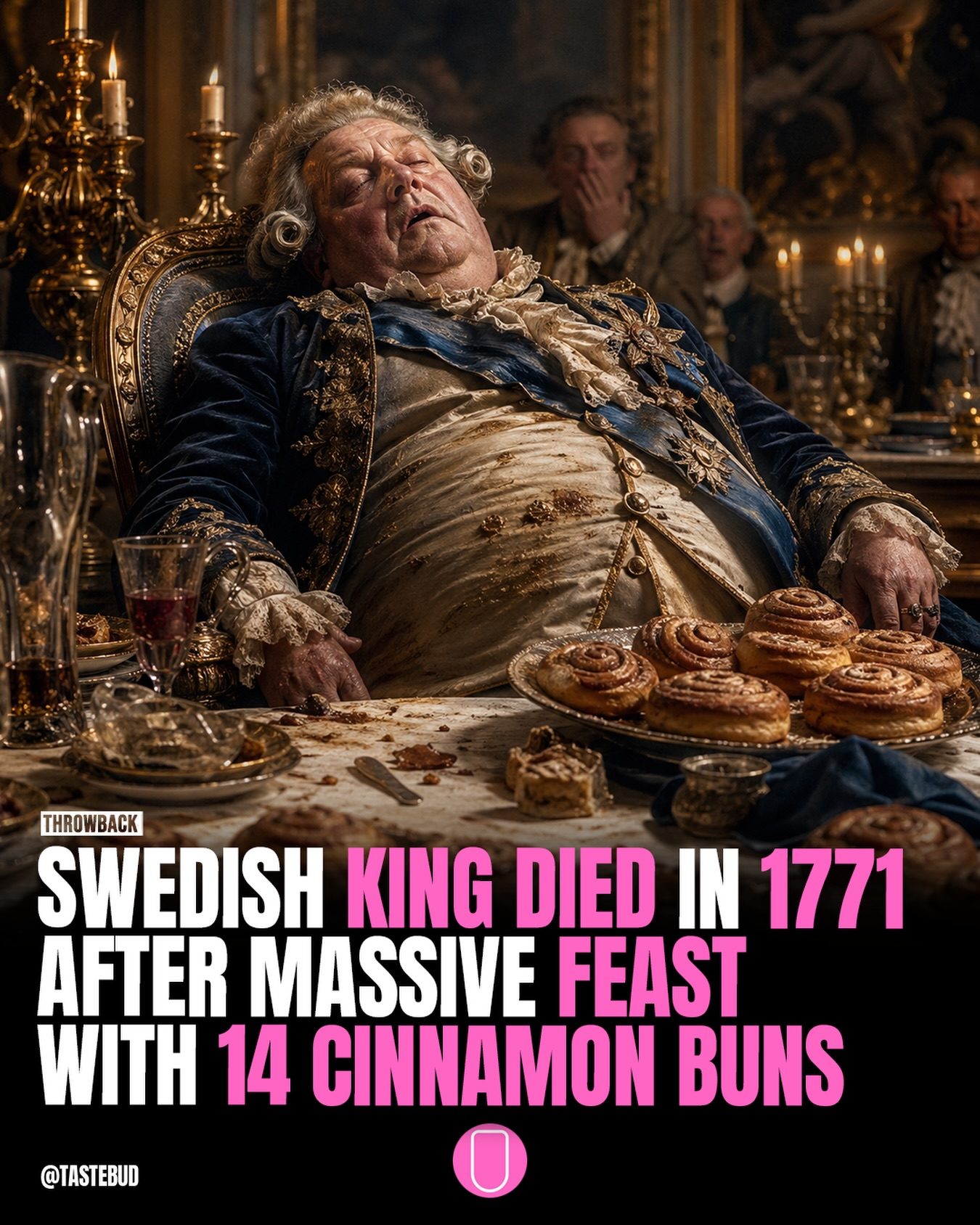
The Enormous Feast of King Adolf Frederick
King Adolf Frederick of Sweden is remembered for his tragic end, which has become a notorious tale in European royal history. His demise in 1771 after consuming an enormous meal—including a staggering 14 cinnamon buns—has cemented his legacy as a cautionary example of excess. But what led to this extreme indulgence, and how has this story shaped culinary and historical narratives?
Context: Why This Matters
The story of King Adolf Frederick’s final meal is more than just a bizarre anecdote. It offers a glimpse into the extravagant lifestyles of European royalty and the cultural significance of food in historical contexts. The image of a king succumbing to overeating raises questions about dietary habits, royal etiquette, and the consequences of excess.
The Story of King Adolf Frederick
The tale begins with the king's sumptuous feast. It was a meal fit for royalty—literally. Adolf Frederick reportedly indulged in multiple dishes, but the standout item was an immense quantity of cinnamon buns. The exact count of 14 cinnamon buns has become a focal point of the story, highlighting the extreme nature of the king's indulgence.
The specifics of the feast are as varied as the dishes themselves. Some accounts suggest that the king may have been attempting to break a record or prove a point about his royal privilege. This context underscores the broader themes of excess and indulgence that characterized many royal courts of the time. The story has become a historical footnote, often shared as a strange but true moment from royal history.
The Feast and Its Aftermath
The immediate aftermath of the feast was catastrophic. King Adolf Frederick reportedly died shortly after consuming the enormous meal. The cause of death was attributed to acute stomach discomfort, which could have been the result of extreme overeating, food poisoning, or the combination of both. Likewise, a combination of the hot chocolate he drank and the large meal could have been lethal. The king was known for his dietary indiscretions, but the magnitude of this particular feast was unprecedented.
The death of King Adolf Frederick sent shockwaves through the royal court and the Swedish public. His untimely demise became a subject of both fascination and condemnation. The event serves as a stark reminder of the risks associated with extreme indulgence and the potential consequences of disregarding dietary moderation.
The Legacy of the Cinnamon Bun Story
The story of King Adolf Frederick’s final meal has had a lasting impact on both culinary and historical narratives. The tale has become a cautionary example of the dangers of excessive eating. The king's extreme indulgence in cinnamon buns has been cited as a historical footnote, often shared as a strange but real moment from royal history.
Practical Tips: Moderation and Dining Etiquette
While the story of King Adolf Frederick is extreme, it offers valuable lessons about moderation and dining etiquette. Whether you're dining in a royal court or a modern-day restaurant, understanding the risks of overeating is crucial.
Be mindful of portion sizes. Overindulgence can lead to discomfort and potential health risks. This doesn’t mean you can’t enjoy your favorite treats, but it’s essential to do so in moderation.
And if you are hosting an event, consider the health and safety of your guests. While it’s tempting to serve lavish feasts, staying mindful of portions and variety can help ensure a enjoyable and safe dining experience.
Important Takeaways
The tale of King Adolf Frederick's final feast is more than just a historical oddity. It serves as a reminder of the potential consequences of extreme indulgence and the importance of moderation in dining. Whether you're enjoying a royal feast or a simple meal at home, the story of the king’s fateful banquet offers a valuable lesson in balance and restraint.
Conclusion
King Adolf Frederick's tragic end after consuming an enormous meal, including 14 cinnamon buns, is a tale that continues to captivate and educate. The story serves as a reminder of the importance of moderation and the risks associated with extreme indulgence. By understanding the context and consequences of this historical event, we can apply its lessons to our modern dining habits and appreciate the significance of balance in our culinary choices.
Watch the Reel
Questions readers ask
How many cinnamon buns did King Adolf Frederick consume during his last meal?
King Adolf Frederick consumed a record-breaking 14 cinnamon buns during his last meal in 1771. This extreme consumption of cinnamon buns is the figure which is remembered in his most infamous feast.
What was the cause of King Adolf Frederick's death?
King Adolf Frederick died in 1771, and his death was directly related to his last meal. The official cause of his death was a fatal burst stomach, which was a consequence of the extreme overconsumption of food and drink.
What does King Adolf Frederick's feast tell us about royal dietary habits?
The feast of King Adolf Frederick offers a peek into the extravagant and indulgent lifestyles of the European royalty in the 18th century. His last meal, in particular, underscores the prevalence of overconsumption and the lack of moderation in royal dietary habits.
What was the public reaction to King Adolf Frederick's death?
The public reaction to King Adolf Frederick's death was one of shock and surprise. Since his death was directly linked to his last meal, his notoriety has helped form the perception of the dangers of excessive indulgence.
What makes the feast of King Adolf Frederick so historically significant?
The feast of King Adolf Frederick is historically significant because it provides a vivid example of the excesses and indulgence of European royalty. It also serves as a cautionary tale about the consequences of overconsumption, making it a notable event in historical narratives.
How is King Adolf Frederick remembered in history?
King Adolf Frederick is remembered for his tragic end and for the notorious tale of his last meal. His legacy serves as a stark reminder of the dangers of overindulgence and the consequences of extreme consumption. The story of his final feast continues to captivate historians and the general public alike.
What did the royal feast of 1771 include
The royal feast of 1771 included a record breaking 14 cinnamon buns. Along with the cinnamon buns, historical accounts suggest he consumed a large amount of food and drink, which ultimately led to his death.
Related deep dives
Similar reads based on topic and creator.




Recent articles
Fresh deep dives from the latest Reels we unpacked.




Comments
Be the first to comment.