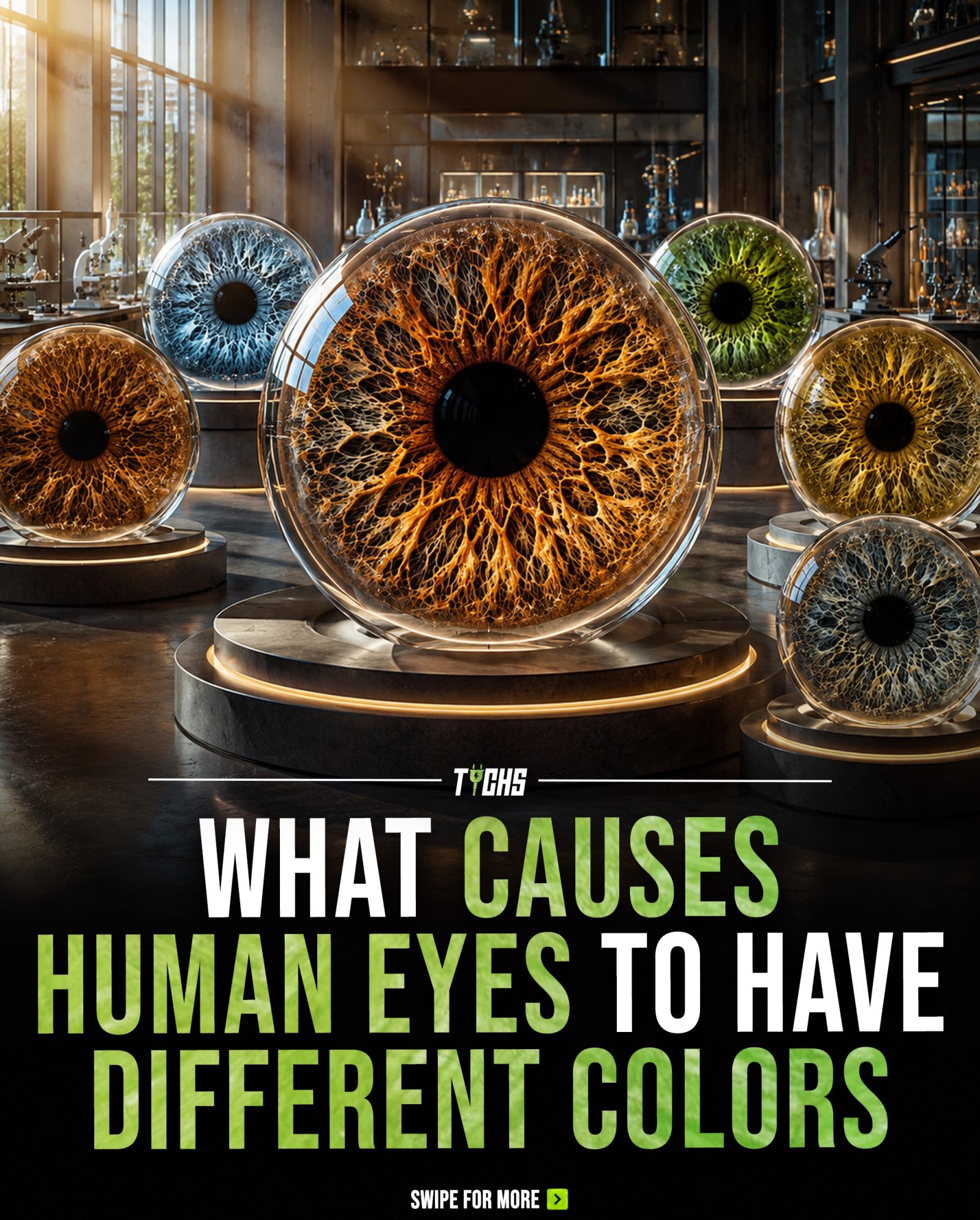
Eye Color Science
Human eye color is a striking and intriguing aspect of our biology. It is determined by a complex interplay of genetics, melanin levels, pigments, and the way light interacts with the iris. This results in a diverse range of eye colors, from brown and blue to green, hazel, amber, and gray. Each color is a unique expression of genetic variations that influence the amount of pigment in the iris and how light is reflected back to our eyes.
Why This Matters
Understanding the science behind eye color provides insight into human evolution and the intricate mechanisms of human biology. It also offers a fascinating glimpse into the genetics that make each of us distinct. By exploring the factors that contribute to eye color, we gain a deeper appreciation for the complexity of human characteristics and the role of genetics in shaping our appearance.
The Role of Genetics and Melanin
Genetic Inheritance
Eye color is primarily determined by genetic inheritance. The genes responsible for eye color are passed down from parents to their children. The combination of these genes influences the type and amount of melanin produced in the iris. Melanin is the pigment that gives color to our skin, hair, and eyes. There are two types of melanin: eumelanin, which is brown or black, and pheomelanin, which is red or yellow.
Melanin Levels
The amount and type of melanin in the iris play a crucial role in eye color. More melanin results in darker eye colors, such as brown, while less melanin leads to lighter colors, like blue or green. However, eye color is not solely determined by the amount of melanin. The distribution and structure of melanin granules within the iris also contribute to the final eye color.
Light Scattering
In addition to melanin, the way light interacts with the iris influences eye color. When light enters the eye, it is absorbed and reflected by the iris. The scattered light is what we perceive as eye color. For example, blue eyes contain no blue pigment; they appear blue due to low melanin levels and the scattering of light. This phenomenon is similar to how the sky appears blue.
Specific Eye Colors
Blue Eyes
Blue eyes are relatively rare, occurring in about 8-10% of the world's population. People with blue eyes share a common ancestor who possessed a specific genetic mutation that reduced melanin production in the iris. This mutation likely occurred around 6,000 to 10,000 years ago in the region around the Black Sea.
Green Eyes
Green eyes are even rarer, found in approximately 2% of the world's population, making them the rarest common eye color. Green eyes result from a combination of low levels of melanin and the presence of lipochrome, a yellowish pigment. The light-scattering effect in green eyes is similar to that in blue eyes, but the presence of lipochrome creates a unique green hue.
Brown Eyes
Brown eyes are the most common, found in about 70-80% of the world's population. The brown color comes from high levels of eumelanin in the iris. This dark pigment absorbs most of the light, resulting in the deep brown color. Brown eyes are dominant in genetic terms, meaning that if a person has one gene for brown eyes and one for another color, they will likely have brown eyes.
Hazel, Amber, and Gray Eyes
Hazel, amber, and gray eyes are less common and are the result of unique combinations of melanin, lipochrome, and light scattering. Hazel eyes often have a mix of green and brown, while amber eyes have a golden or coppery hue. Gray eyes, like blue, result from low levels of melanin and specific light-scattering properties in the iris.
Practical Tips for Understanding Eye Color
Genetic Testing
For those curious about their specific genetic makeup, genetic testing can provide insights into eye color. Companies offer DNA tests that analyze genetic markers associated with eye color and can predict the likely eye color of a person based on their genetic profile.
Eye Color and Health
Eye color can sometimes be associated with certain health conditions. For example, individuals with red hair and blue eyes have an increased risk of developing skin cancer. Understanding the genetic basis of eye color can also help in diagnosing certain genetic disorders.
Cultural and Symbolic Significance
Eye color holds significant cultural and symbolic meaning in many societies. Blue eyes, for instance, are often associated with beauty and innocence in Western cultures, while brown eyes are seen as a sign of wisdom and depth in some Eastern cultures. Recognizing these symbolic meanings can enhance appreciation for the diversity of human characteristics and the rich cultural tapestry they represent.
Important Takeaways
Understanding the science behind eye color involves recognizing the roles of genetics, melanin, and light interaction. Eye color is a unique blend of these factors, resulting in the diverse range of hues we see in the human population. This knowledge not only deepens our appreciation for the complexity of human biology but also offers insights into genetic inheritance and evolution.
Conclusion
Eye color is a remarkable example of the intricate interplay of genetics, pigmentation, and light scattering. From the deep browns to the sparkling blues and greens, each eye color tells a story of our evolutionary history and genetic heritage. By understanding the science behind eye color, we gain a deeper appreciation for the beauty and complexity of human diversity.
Watch the Reel
Questions readers ask
What are the primary genetic factors that determine human eye colors?
Human eye colors are primarily determined by the amount and type of melanin in the iris. Melanin is a pigment produced by cells called melanocytes. The OCA2 and HERC2 genes, located on chromosome 15, are two of the most significant genetic factors influencing eye color. These genes regulate the production and distribution of melanin, leading to the diverse range of eye colors observed in humans.
Why are blue eyes less common than brown eyes?
Blue eyes are less common because they require a specific genetic combination that is less frequent in the global population. Blue eye color is associated with low levels of melanin in the iris, and it is often a recessive trait. This means that both parents must contribute a gene for blue eyes for a child to have blue eyes. In contrast, brown eyes are dominant and can be passed down by only one parent, making them more prevalent.
Can green eye color be inherited in a predictable pattern?
Green eye color is relatively rare and can be influenced by a mix of genetic factors. It often results from a moderate amount of melanin in the iris, but the inheritance pattern is not as straightforward as for blue or brown eyes. Green eyes may emerge when there is one copy of a gene for brown eyes and one copy for blue eyes, but the exact pattern can vary due to the complex interplay of multiple genes.
How does melanin influence the appearance of different eye colors?
Melanin is the key pigment that determines the color of the eyes. There are two types of melanin: eumelanin (brown) and pheomelanin (red-yellow). The amount and ratio of these pigments in the iris affect how light is absorbed and reflected, resulting in different eye colors. For example, a higher concentration of eumelanin results in darker eye colors like brown, while lower concentrations and varying ratios lead to lighter colors like blue, green, and hazel.
What role does the iris play in determining eye color?
The iris is the colored part of the eye that surrounds the pupil. Its color is determined by the amount and type of melanin present in its two layers: the anterior border layer and the stroma. The anterior border layer contains melanocytes that produce eumelanin, while the stroma contains melanocytes that produce both eumelanin and pheomelanin. The interaction of light with these pigments in the iris layers contributes to the diverse range of eye colors observed in humans.
How has the study of eye color contributed to understanding human evolution?
The study of eye color has provided valuable insights into human migration patterns and genetic ancestry. For instance, the prevalence of blue eyes in certain populations, such as those of Northern European descent, suggests a shared genetic heritage. Additionally, the diversity of eye colors across different ethnic groups highlights the complex evolution of human populations, reflecting historical migration, intermarriage, and genetic drift.
Related deep dives
Similar reads based on topic and creator.


Recent articles
Fresh deep dives from the latest Reels we unpacked.




Comments
Be the first to comment.