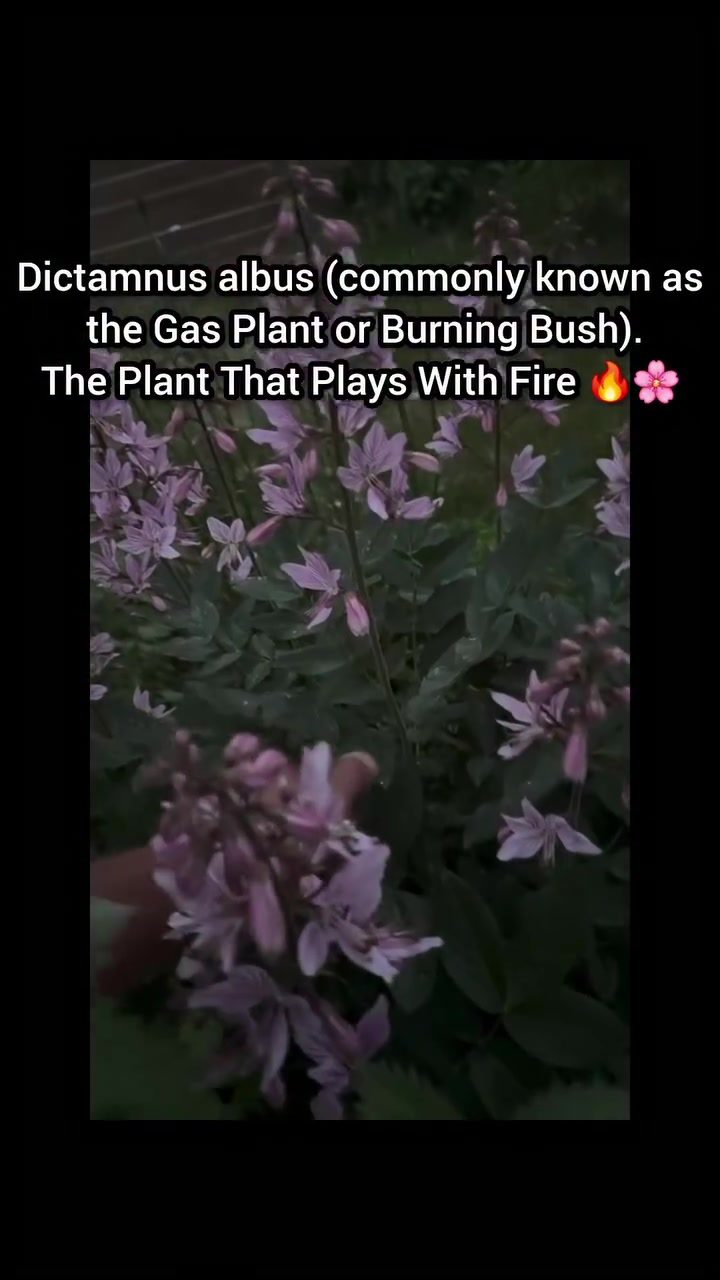
The Burning Bush: The Fascinating World of Dictamnus albus
The Burning Bush, also known as Dictamnus albus or the Gas Plant, is an extraordinary plant that has captivated people's imagination for centuries. Native to the grasslands and rocky slopes of Europe and Asia, this perennial plant is renowned for its unique ability to produce flames around its foliage and blooms on hot summer days. This phenomenon is not only visually striking but also scientifically intriguing, making it a subject of fascination for botanists and nature enthusiasts alike.
Context: Why This Plant Matters
The Burning Bush stands out due to its unusual characteristic of secreting highly flammable essential oils. These oils, when exposed to the heat of the summer sun, can ignite spontaneously, creating a brief, harmless display of flames around the plant. Despite the fiery display, the plant remains undamaged, making it one of nature's most remarkable fireproof wonders.
Understanding the Burning Bush is more than just appreciating a curious botanical phenomenon. It involves delving into the unique biological and chemical processes that enable this plant to thrive in its natural habitat while exhibiting such an extraordinary trait. This plant's resilience and adaptability offer insights into the diverse strategies plants employ to survive and thrive in their environments.
Main Discussion
The Botanical Profile of Dictamnus albus
Botanical Name and Common Names
Dictamnus albus is the botanical name for the Burning Bush. It is also widely known as the Gas Plant due to the volatile oils it produces, giving it the ability to catch fire. This plant belongs to the Rutaceae family, which includes citrus and other aromatic plants. Another nickname, Firenet, underscores its flammable nature.
Appearance
The Burning Bush is visually striking with its glossy green leaves and vibrant, fragrant pink-purple flowers. The leaves are deeply lobed and have a glossy sheen, while the flowers are fragrant and produce a distinct scent, further adding to its allure. The plant can grow up to three feet tall and spreads through rhizomes, creating dense clumps in its natural habitat.
Habitat and Distribution
Native to Europe and parts of Asia, particularly in Southern and Central Europe and Western Asia, the Burning Bush thrives in dry forests, grasslands, and rocky slopes. These environments provide the ideal conditions for the plant to flourish, with plenty of sunlight and well-drained soil.
The Phenomenon of Spontaneous Combustion
The most intriguing aspect of the Burning Bush is its ability to produce flames without sustaining damage. This phenomenon is due to the highly flammable essential oils that the plant secretes. These oils contain compounds like limonene and phellandrene, which are highly volatile and can ignite when exposed to high temperatures.
Chemical Composition
The essential oils produced by the Burning Bush are a complex mixture of terpenes, which are organic compounds found in many plants. Terpenes are volatile and can evaporate quickly, especially in hot, dry conditions. When these oils are exposed to the sun's heat, they can reach their flash point and ignite, creating a brief, harmless flame.
Mechanism of Flame Production
The process of flame production involves a few key steps. First, the essential oils evaporate and form a vapor. This vapor, being volatile, disperses into the air around the plant. When the vapor reaches its ignition point, it ignites and produces a visible flame. The flame is temporary and does not cause harm to the plant because the combustion process occurs away from the plant's surface. Any flame dies out quickly, leaving the plant unscathed.
Environmental Adaptations
The Burning Bush has evolved several adaptations that help it thrive in its natural habitat. These adaptations include its ability to survive in dry, rocky environments and its unique defense mechanisms against herbivores.
Dry Environment Adaptations
The plant's ability to produce flammable oils might seem counterintuitive, but it serves a purpose in its dry, rocky habitat. The oils can help the plant by deterring herbivores. The presence of highly flammable substances can make the plant less appealing to animals that might otherwise feed on it.
Defense Mechanisms
The flammable oils also act as a deterrent to insects and other pests. The volatile nature of these oils can be disruptive to the sensory mechanisms of many insects, making it difficult for them to feed on the plant. This adaptation helps the Burning Bush maintain its health and longevity in the wild.
Practical Tips
Growing the Burning Bush
If you're interested in cultivating this extraordinary plant, there are a few key considerations to keep in mind:
Conditions
The Burning Bush requires well-drained soil and plenty of sunlight. It thrives in dry, rocky environments, so ensuring that the soil is not waterlogged is crucial. It is also important to avoid overwatering, as this can lead to root rot.
Care
The plant is relatively low-maintenance and does not require much care once established. Regular pruning can help maintain its shape and encourage bushy growth. It’s also a good idea to avoid fertilizing the plant too heavily, as this can promote excessive growth and make the plant more susceptible to pests and diseases.
Propagation
The Burning Bush can be propagated through rhizomes or seeds. Rhizome propagation involves dividing the plant's root system and replanting the sections. This method is quicker and more reliable, as the new plant will have established roots from the start.
Safety Precautions
While the Burning Bush is fascinating, it is essential to handle it with care. The volatile oils can be flammable, and handling the plant can pose a risk of fire. Always keep the plant away from heat sources and avoid crushing or damaging the leaves, as this can release the flammable oils and potentially cause a fire.
Important Takeaways
The Burning Bush, or Dictamnus albus, is a remarkable plant with unique botanical and chemical characteristics. Its ability to produce flames through the secretion of flammable essential oils makes it a subject of scientific interest and natural wonder. Understanding this plant involves appreciating its biological adaptations, environmental requirements, and the potential risks associated with handling it.
Conclusion
The Burning Bush is more than just a botanical curiosity. It is a testament to the ingenuity and resilience of the natural world. Its unique ability to produce harmless flames and thrive in challenging environments highlights the incredible adaptations that plants have developed over time. Whether you are a botanist, a nature enthusiast, or simply someone who appreciates the wonders of the natural world, the Burning Bush offers a fascinating glimpse into the diverse and complex processes that drive plant life.
Watch the Reel
Questions readers ask
Why is the Burning Bush also known as the Gas Plant?
The Burning Bush is also called the Gas Plant due to its ability to produce volatile, flammable oils. These oils ignite easily when exposed to the intense heat of the summer sun, creating a brief, harmless flame around the plant's foliage and flowers, and also producing a gas-like effect around the plant.
Is it safe to be near a Burning Bush when it's producing flames?
Yes, it is generally safe to be near a Burning Bush when it is producing flames. The flames are brief, harmless, and typically occur only on hot summer days. They do not cause injury to nearby vegetation or people. However, as with any plant, it is always a good idea to maintain a safe and respectful distance.
What causes the Burning Bush to produce flames?
The Burning Bush produces flames due to the secretion of volatile, flammable oils. These oils are highly sensitive to heat and can ignite spontaneously when exposed to the intense sunlight of the summer days.
Where can the Burning Bush be found in the wild?
The Burning Bush, or Dictamnus albus, is native to the grasslands and rocky slopes of Europe and Asia. It thrives in these environments and can be found growing in these regions.
Does the Burning Bush have any other notable features besides its ability to produce flames?
Yes, the Burning Bush has striking pink flowers that appear during the summer. These flowers are not only visually appealing but also fragrant.
Can the Burning Bush be grown in gardens or other cultivated settings?
While it is possible to cultivate the Burning Bush in gardens, it requires specific conditions to thrive. It prefers well-drained soil and full sun exposure, similar to its natural habitat. Additionally, care should be taken due to its flammable oils, which can pose a risk in dry conditions.
Can the Burning Bush’s oil be used for any practical purposes?
The flammable oils produced by the Burning Bush are not typically used for practical purposes due to their highly volatile nature. These oils are primarily responsible for the plant's unique ability to produce flames, and they do not have significant other uses.
Related deep dives
Similar reads based on topic and creator.


Recent articles
Fresh deep dives from the latest Reels we unpacked.




Comments
Be the first to comment.