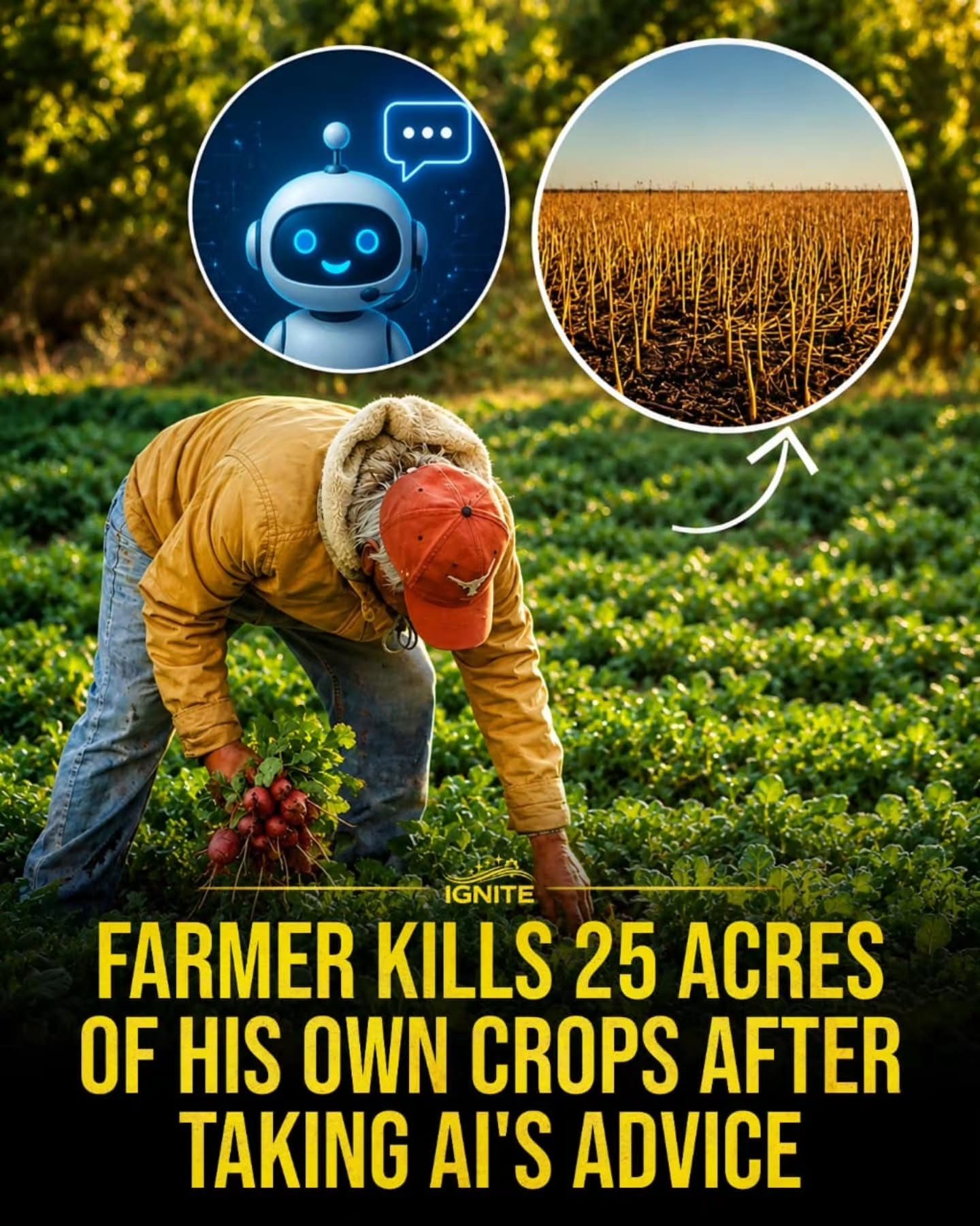
Farmer Loses Crops After Following AI Weed-Control Advice
Crop management is a delicate balance, and even small mistakes can lead to significant losses. A recent incident involving a 67-year-old farmer serves as a stark reminder of the potential pitfalls of relying solely on AI for critical decisions. The farmer lost nearly 25 acres of sesame crops after following weed-control advice from an AI tool, underscoring the importance of verifying high-stakes recommendations with qualified experts.
Why This Matters
Farming is a high-stakes endeavor with significant economic and environmental impacts. The integration of technology, particularly AI, has the potential to revolutionize agricultural practices by streamlining operations and optimizing resource use. However, the incident with the sesame crops serves as a cautionary tale, highlighting the need for vigilance and expert oversight when implementing AI-driven solutions. This case study sheds light on the complexities of AI in agriculture and the necessity of combining technological advancements with human expertise.
AI in Agriculture
The Role of AI in Modern Farming
AI has increasingly become a staple in modern farming, offering tools for monitoring soil health, predicting weather patterns, and managing pests. These tools can analyze vast amounts of data to provide farmers with actionable insights, potentially increasing yields and reducing waste.
The Incident: A Detailed Analysis
The farmer in question sought a chemical treatment plan from an AI tool to manage weeds in his sesame fields. Following the AI's recommended mixture, the farmer sprayed the fields as advised. Unfortunately, the next day, both the weeds and the sesame crops began to die. Agricultural experts later revealed that one of the herbicides recommended by the AI could damage sesame crops and should not have been used in that context.
The incident speaks to the broader issue of relying on AI for critical decision-making in agriculture. While AI tools can offer valuable insights, they are not infallible and can provide misguided advice. In high-stakes situations like crop management, it is crucial to verify recommendations with experts.
Understanding AI Recommendations
AI tools operate on algorithms trained to recognize patterns in data. These algorithms can generate recommendations based on historical data, current conditions, and predictive analytics. However, this process is inherently reliant on the quality and relevance of the data input. Misleading patterns or data anomalies can lead to inaccurate recommendations.
In the case of the sesame crops, the AI tool likely relied on data that included herbicides suitable for different crop types. Misinterpretation of the specific crop type or lack of consideration for crop-specific vulnerabilities led to the disastrous outcome.
The Importance of Expert Oversight
Verification and Validation
The notion of "trust but verify" is particularly relevant in the context of AI-driven agriculture. While AI can offer valuable insights, farmers and agronomists must validate these recommendations with their own experience and knowledge. This involves cross-checking the AI's advice against established best practices, consulting with experts, and conducting small-scale trials before full-scale implementation.
Case Study: The Sesame Farmer
The farmer's trust in the AI tool, while understandable given the promise of efficiency and accuracy, highlights the need for cautious implementation. The misstep emphasizes the importance of careful consideration and verification, especially in sensitive and high-stakes scenarios.
Practical Tips for Using AI in Agriculture
Always Verify High-Stakes Advice
When dealing with high-stakes decisions such as chemical treatments, always consult with a qualified expert. This ensures that the AI's recommendations are vetted against real-world knowledge and experience.
Conduct Pilot Trials
Before applying AI recommendations on a large scale, consider conducting pilot trials on a smaller section of the field. This allows you to monitor the effects and make necessary adjustments before committing to a full-scale implementation.
Stay Updated on Best Practices
Keep abreast of the latest research and best practices in your specific crop type. This knowledge can help you critically evaluate AI recommendations and make informed decisions.
Leveraging Technology and Expertise
AI and human expertise are not mutually exclusive; in fact, they can complement each other. AI can provide data-driven insights, while human expertise can offer contextual understanding and critical evaluation. This synergy can lead to better decision-making and more sustainable farming practices.
Important Takeaways
The incident involving the sesame farmer serves as a critical reminder of the need for vigilance and expert oversight when relying on AI for agricultural decisions. While AI can offer valuable insights, it is essential to cross-verify recommendations, especially in high-stakes situations. The combined use of technological tools and human expertise can lead to more informed and effective farming practices.
Conclusion
The integration of AI in agriculture offers immense potential for improving efficiency and sustainability. However, the incident with the sesame farmer underscores the need for caution and expert validation. By combining AI-driven insights with human expertise, farmers can make more informed and effective decisions, ultimately leading to better outcomes for both the environment and the economy.
Watch the Reel
Questions readers ask
What specific advice led to the farmer's crop loss?
The farmer's loss occurred after applying herbicide based on AI weed-control recommendations. The AI suggested a specific herbicide that ultimately damaged the sesame crops, resulting in the loss of nearly 25 acres.
Why is this incident significant for AI in agriculture?
This incident highlights the risks of over-reliance on AI in farming, emphasizing the need for human expertise to verify and validate AI recommendations, especially when dealing with high-stakes decisions.
What precautions should farmers take when using AI farming tools?
Farmers should consult with agricultural experts before implementing AI recommendations, especially for critical tasks like weed control and herbicide application. Cross-verifying AI suggestions with human expertise can help prevent costly mistakes.
What are the potential benefits and risks of AI integration in farming?
AI can streamline farm operations and optimize resource use, but it also presents risks, such as incorrect advice that can lead to crop damage. Balancing AI tools with human expertise is key to maximizing benefits while mitigating potential risks.
How can farmers balance AI recommendations with their own expertise?
Farmers should use AI tools as supplementary resources, not replacements for their own knowledge and experience. They should critically evaluate AI suggestions, seek expert advice, and make informed decisions that combine technological insights with practical farming skills.
What steps can farmers take to minimize risks when using AI for weed control?
When using AI for weed control, farmers should independently verify the herbicides recommended by AI tools. This can involve consulting with agronomists, checking herbicide labels for crop compatibility, and conducting small-scale tests before large-scale application.
What are some examples of AI farming tools that require careful consideration?
AI tools for weed control, pest management, and crop monitoring are examples that require careful consideration. While these tools can provide valuable insights, farmers must validate recommendations to avoid potential crop damage, financial losses and environmental impacts.
Related deep dives
Similar reads based on topic and creator.




Recent articles
Fresh deep dives from the latest Reels we unpacked.




Comments
Be the first to comment.