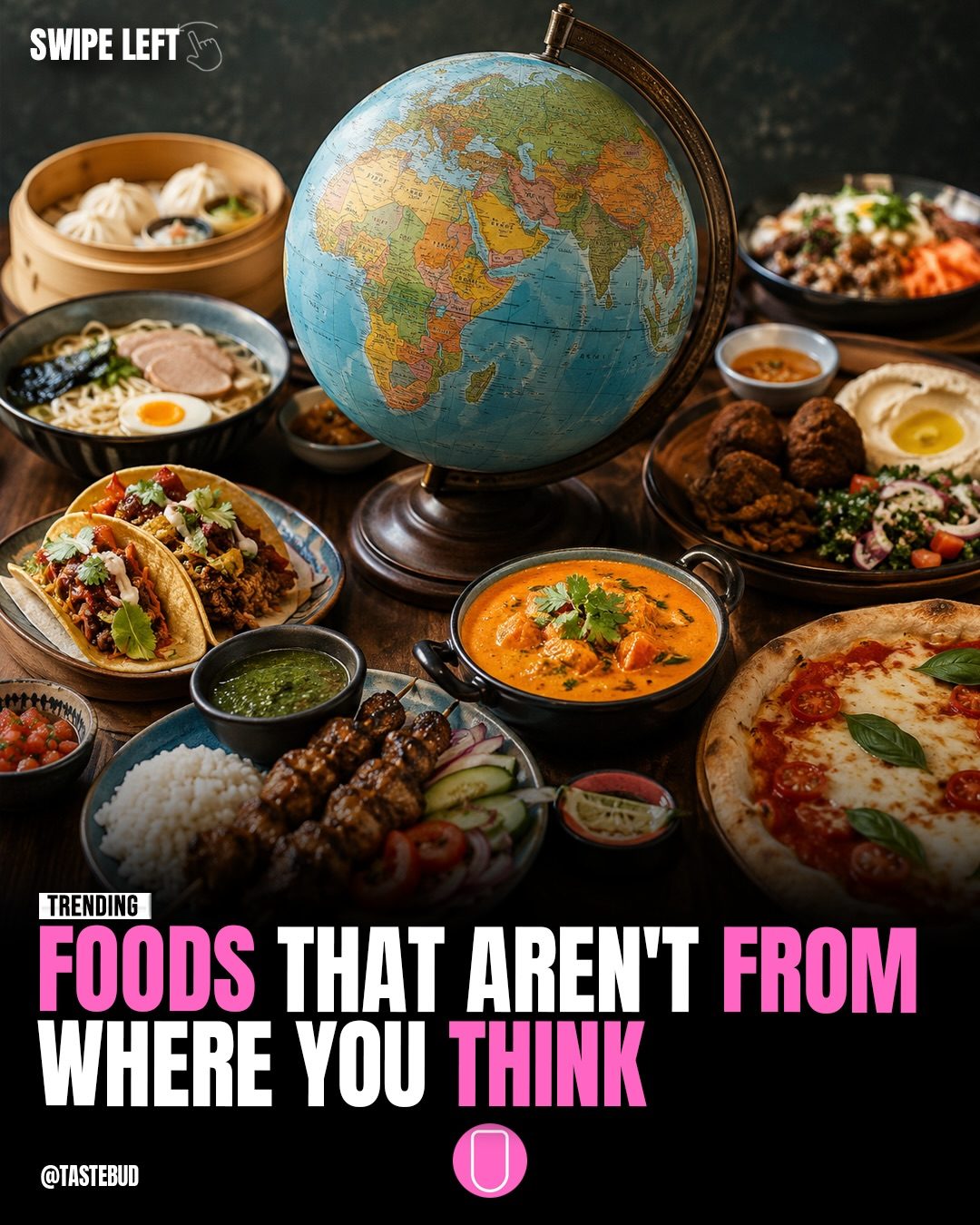
The Surprising Origins of Iconic Foods
Food is much more than just sustenance; it is a cultural narrative that tells the story of our ancestors, migrations, and evolution. Our favorite dishes are often thought to have origins tied to their current popular locations, but many beloved foods have unexpected beginnings. This is particularly true for dishes like Chicken Tikka Masala, apple pie, and Caesar salad, which have origins that might surprise even the most avid food enthusiasts.
Why This Matters
Understanding the true origins of popular dishes can reshape how we view culinary traditions and their evolution. It highlights how food has transcended borders, adapted to new cultures, and become a global phenomenon. This journey not only enriches our appreciation of food but also provides insights into the rich tapestry of human history.
The Global Journey of Chicken Tikka Masala
Chicken Tikka Masala is a dish often associated with British cuisine, but its origin lies in the United Kingdom with influences from South Asian cuisine. This rich, flavorful curry is a staple in many British restaurants and homes. The dish is made with marinated chicken pieces in a spicy tomato-based sauce, usually served with naan bread. Its popularity in the UK is a testament to how cultures blend and evolve.
The origins of Chicken Tikka Masala are often debated, but the most widely accepted theory is that it was created by Bangladeshi chefs in Britain in the 1970s. According to this tale, the dish was a result of culinary improvisation by chefs who added tomato-based gravy to tandoori chicken to cater to British customers' preferences for saucy dishes.
Apple Pie: A Symbol of Britain
Apple pie is another dish with a surprising origin. Often considered an American classic, apple pie actually has its roots in England. The pie's history can be traced back to ancient times, when pies were used as a means to preserve meat and fruit. The modern apple pie emerged in the 14th century in England, where recipes for pies filled with fruits and spices were documented.
The British version of apple pie often includes a lattice crust and a filling of apples, sugar, and spices like cinnamon and nutmeg. The dish is typically served with a scoop of vanilla ice cream or a dollop of whipped cream, making it a comforting and indulgent dessert. In Britain, apple pie is often enjoyed with a cup of tea, reflecting the country's love for this simple yet comforting beverage.
Caesar Salad: From Mexican Kitchens To Global Fame
Caesar salad, a staple in many restaurants and home kitchens, is often assumed to have Italian or American origins. Surprisingly, Caesar salad is believed to have originated in Mexico. The dish, made with romaine lettuce, croutons, Parmesan cheese, and Caesar dressing, was created by Caesar Cardini, an Italian-American restaurateur who lived and worked in Mexico.
Cardini is credited with inventing the dressing in 1924 at his restaurant in Tijuana, Mexico. The story goes that he improvised the dressing with ingredients he had on hand, including Worcestershire sauce, anchovies, garlic, and olive oil. The salad quickly gained popularity, and today, it is one of the most beloved salads worldwide.
Pancakes, Salads, and Ice Cream: Ancient Origins
The origins of many dishes are even more ancient. Pancakes, for example, can be traced back to ancient Greece, where they were made with wheat flour and were often seasoned with herbs and cheese. Salads, too, have a long history, with evidence of their existence in ancient Rome. Early recipes included a variety of vegetables, herbs, and oils, often combined with meats and cheeses.
Ice cream, a beloved dessert, has its roots in ancient Persia. The Persians are believed to have invented a form of ice cream using ice and snow to cool sweetened fruit juices. Over time, the recipe evolved and spread to other parts of the world, eventually becoming the creamy, indulgent treat we enjoy today.
Hot Dogs and French Fries: European Roots
The hot dog, an iconic American food, has German origins. The sausage, known as the frankfurter, was brought to America by German immigrants in the 19th century. Over time, the hot dog evolved into a popular street food, often served with condiments like ketchup, mustard, and relish.
French fries, another beloved food, are believed to have originated in Belgium. The crispy, golden fries are made by deep-frying potatoes, which have been a staple in European diets for centuries. Despite their name, French fries are not actually French, and their origins lie in the neighboring country of Belgium. Today, French fries are enjoyed around the world as a side dish or a snack.
Practical Tips
To explore the rich history of global cuisines, consider the following tips:
-
Visit Local Restaurants: Explore local restaurants and food markets that serve authentic dishes from various cultures. This is a great way to experience the flavors and textures of different cuisines.
-
Cook at Home: Try cooking dishes from around the world at home. Experiment with different ingredients and techniques to recreate classic recipes.
-
Attend Food Festivals: Participate in food festivals and events that celebrate diverse cuisines. It's a fun way to learn about different cultures and their culinary traditions.
-
Read Food History Books: Dive into books and articles that explore the history of food. This can provide valuable insights into the evolution of dishes and their cultural significance.
Important Takeaways
Food has the power to bridge cultures and connect people from different backgrounds. The surprising origins of dishes like Chicken Tikka Masala, apple pie, and Caesar salad remind us that culinary traditions are dynamic and ever-evolving. Understanding these origins can enrich our appreciation of food and help us explore the diverse flavors of the world.
Conclusion
The origins of beloved dishes are often more complex and surprising than we realize. From Chicken Tikka Masala to apple pie and Caesar salad, these dishes tell a story of cultural exchange, migration, and adaptation. Embracing this culinary diversity can broaden our horizons and deepen our understanding of the world.
Watch the Reel
Related deep dives
Similar reads based on topic and creator.




Recent articles
Fresh deep dives from the latest Reels we unpacked.




Comments
Be the first to comment.