Falconry: An Art and Sport of Sky and Earth
Falconry is an exhilarating and ancient pursuit that combines the thrill of hunting with a deep connection to nature. It is both an art and a sport, a dance between a falconer and their bird, a connection that spans centuries.
Why This Matters
Falconry is more than just a hobby; it’s a way of life for many who practice it. It offers a unique perspective on the world, blending the serenity of the outdoors with the excitement of flight. By exploring falconry, we can delve into the fascinating world of birds of prey, the intricate relationship between falconers and their birds, and the skills required to participate in this ancient tradition.
Main discussion
The Art of Falconry
Falconry is often referred to as an art because of the precision, skill, and patience required to train and fly a bird of prey. The artistry lies in the intricate bond between the falconer and the bird. Falconers must learn to understand and anticipate the behavior of their falcons, much like a dancer must understand their partner. The process of training a falcon to hunt and return to the falconer involves a deep level of trust and mutual respect.
The Connection Between Falconer and Bird
The bond between a falconer and their bird is the cornerstone of falconry. This connection is built through a combination of training, trust, and mutual respect. Falconers often spend years developing this bond, which is essential for successful hunting and flying. The bond is so strong that some falconers consider their birds as family members.
Falcons in Flight
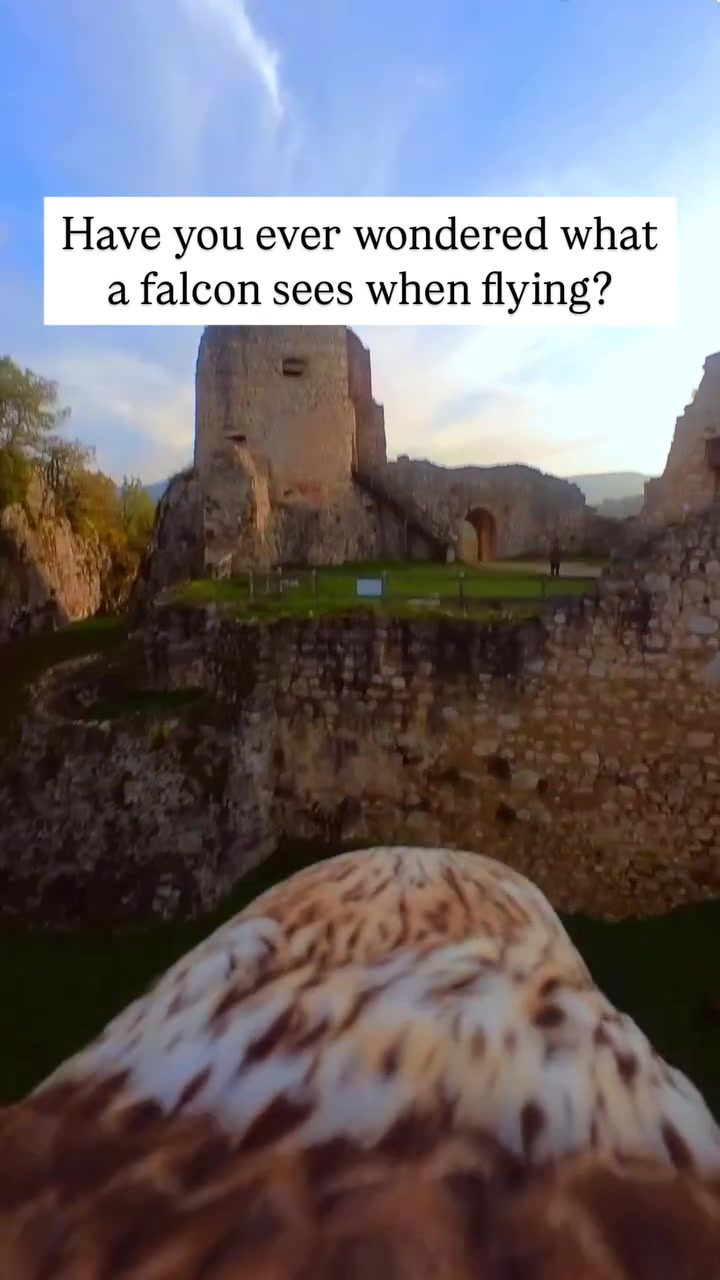
One of the most captivating aspects of falconry is the unique perspective it offers of the world. From the falcon’s point of view, the landscape unfolds in a breathtaking panorama. Flying high above the earth, a falcon can see for miles, navigating the skies with remarkable agility and speed. This aerial view offers a truly unique experience of the natural world.
The Falcon's Perspective
Imagine soaring through the sky, the wind rushing through your feathers, and the world below stretching out in all directions. This is the experience that falconry offers. The falcon's keen eyes can spot prey from vast distances, and their sharp talons can capture it mid-flight. For those who have witnessed falconry in action, the sight of a falcon in flight is awe-inspiring, both for its beauty and its precision.
Falconry Equipment
Falconry requires a variety of specialized equipment, including gloves, hoods, and lures. Each piece of equipment plays a crucial role in the training and handling of the falcon. For instance, falconry gloves are designed to protect the falconer's hand from the bird's sharp talons. The gloves also provide a secure perch for the falcon, allowing the falconer to interact with the bird safely. Falconry hoods are used to calm the falcon, keeping it quiet and focused during transportation. Lures are used to train the falcon to return to the falconer, simulating the natural hunting behavior of the bird.
The Sport of Falconry
Falconry is not just an art; it is also a sport. The thrill of hunting with a falcon, the anticipation of the falcon's flight, and the excitement of the capture are all part of the sport. Falconers often compete in various events, showcasing their skills and the abilities of their birds. These events can range from traditional hunting trials to more modern competitions, such as obstacle courses and agility tests.
Practical Tips
If you are interested in becoming a falconer, here are some practical tips to help you get started:
- Research and Education: Learn as much as you can about falconry, including the laws and regulations in your area. Many regions have specific requirements for becoming a falconer, and it’s important to be familiar with them.
- Find a Mentor: One of the best ways to learn falconry is to find an experienced falconer who can guide you through the process. Many falconers are willing to share their knowledge and experience with newcomers.
- Acquire the Right Equipment: Invest in high-quality falconry equipment. This includes gloves, hoods, and lures, as well as a suitable bird. It’s important to choose a bird that is well-suited to your skill level and the environment in which you plan to practice falconry.
- Build a Relationship with Your Bird: Developing a strong bond with your falcon is crucial. Spend time with your bird, training it and building trust. This relationship will form the foundation of your falconry experience.
Important Takeaways
Falconry is a deeply rewarding pursuit that combines art, sport, and a profound connection with nature. Here are some key takeaways:
- Connection and Trust: The bond between a falconer and their bird is built on trust, patience, and mutual respect. It is a relationship that can last a lifetime.
- Unique Perspective: Falconry offers a unique and awe-inspiring view of the world from a falcon’s perspective, showcasing the beauty and wonder of the natural world.
- Skill and Precision: Falconry requires a high level of skill, precision, and patience. It is an art and a sport that demands dedication and practice.
- Public Engagement: Falconry events and competitions offer opportunities to showcase skills and share the beauty of falconry with others.
Conclusion
Falconry is a captivating and rewarding pursuit that combines the thrill of hunting with a deep connection to nature. It offers a unique perspective on the world and requires a high level of skill, precision, and patience. Whether you are drawn to the artistry of the falconer-bird bond, the excitement of the hunt, or the beauty of the natural world, falconry is an experience that will stay with you for a lifetime.
Watch the Reel
Questions readers ask
What does falconry involve and why is it considered a sport and an art?
Falconry involves hunting with trained birds of prey, such as falcons, hawks, and eagles. It is considered a sport due to the thrill of the hunt and the skill required to train and handle the birds. It is also an art because it demands precision, patience, and a deep understanding of the bird's natural behaviors, forming a unique bond between the falconer and the bird.
What are the essential falconry techniques that beginners should learn?
Beginner falconers should start by learning basic handling and care techniques for their bird. This includes proper feeding, housing, and health maintenance. They should also learn how to train their bird to fly to the falconer's glove, known as 'flying to the fist,' and to retrieve prey. Understanding the bird's behavior and body language is also crucial for effective training.
What types of equipment are needed to start falconry?
Essential falconry equipment includes a sturdy, comfortable glove to protect the falconer's hand, and a hood to cover the bird's head and keep it calm. Other necessary items include jesses (leather straps attached to the bird's legs), a creance (a long leather line used for training), and a perch or mews (a sheltered space for the bird to rest).
How does falconry connect people with nature?
Falconry fosters a deep connection with nature by encouraging participants to spend time outdoors and observe the behaviors of birds of prey. It also promotes an understanding and appreciation of the ecological roles these birds play in their environments. Additionally, the close relationship between a falconer and their bird cultivates a sense of responsibility and stewardship towards wildlife and natural habitats.
What is the history of falconry, and how has it evolved over time?
The history of falconry dates back over 4,000 years, with origins in various cultures, including ancient Mesopotamia, Persia, and China. It was historically a pursuit of nobility and royalty and has evolved into a more accessible sport and art. Today, falconry is practiced around the world, with each region having its unique techniques and traditions. Modern falconers often focus on conservation efforts and the preservation of this ancient tradition.
What are some common misconceptions about falconry?
A common misconception is that falconry is cruel to the birds. However, when practiced responsibly, falconry does not harm the birds and can even contribute to their conservation. Another misconception is that falconry is simply about hunting; in reality, it is a complex interplay of art, sport, and a profound connection between the falconer and the bird.
What can I do to learn more about falconry and potentially get started?
To learn more about falconry, consider watching falconry videos and reading books or blogs on the subject. Joining a local falconry club or apprenticing with an experienced falconer can provide hands-on experience and guidance. Many regions have licensing or permit requirements for falconry, so it's important to research and understand the legal aspects before beginning. Websites and online forums dedicated to falconry can also offer valuable advice and resources for beginners.
Related deep dives
Similar reads based on topic and creator.




Recent articles
Fresh deep dives from the latest Reels we unpacked.




Comments
Be the first to comment.