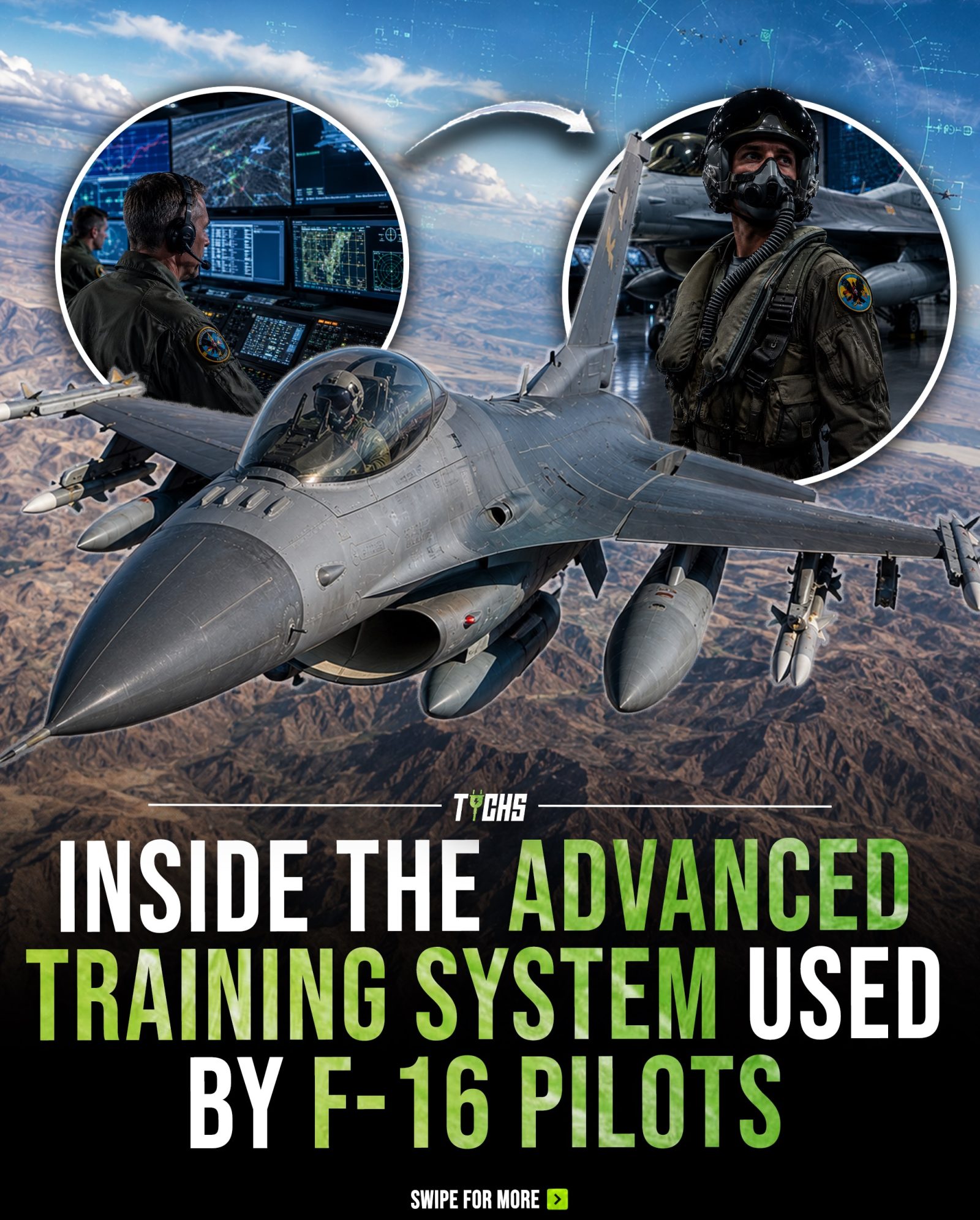
Advanced Pilot Training System
F-16 pilots undergo rigorous training regimens that leverage cutting-edge simulation systems to ensure they are ready for any situation they might face in the air. Modern training for F-16 pilots incorporates a variety of advanced technologies, including mission review centers, instructor control suites, virtual cockpits, battlespace simulation engines, weapons trainers, and full-scale mission simulators. These systems work together to create realistic combat scenarios, allowing pilots to practice complex missions, hone their tactical decision-making skills, and master aircraft systems without the risks and costs associated with real-world flight operations. The goal is to prepare pilots to handle any scenario they might encounter, transforming new aviators into combat-ready fighter pilots capable of operating one of the world’s most advanced aircraft.
Why This Matters
The training of fighter pilots is a critical component of military readiness. Advanced training systems, such as those developed by TCHS, play a pivotal role in ensuring that pilots are fully prepared for the challenges of modern air combat. These systems not only enhance the effectiveness of training but also reduce the risks and costs associated with traditional flight training methods. By simulating a wide range of combat scenarios, pilots can gain valuable experience in a controlled environment, allowing them to learn from their mistakes and improve their skills without jeopardizing lives or equipment.
The Advanced Training System
Instructor Control Suite
At the heart of the TCHS advanced pilot training system is the Instructor Control Suite, a powerful command platform that allows instructors to customize training scenarios and manage every stage of the training process. This suite is designed to provide instructors with the tools they need to create realistic and dynamic training sessions. By leveraging this system, instructors can simulate a variety of combat situations, including different weather conditions, enemy threats, and tactical challenges. This customization ensures that pilots are exposed to a wide range of scenarios, making them better prepared for the unpredictable nature of real-world missions.
Combat Weapons Trainer
Another key component of the TCHS training system is the Combat Weapons Trainer, a specialized simulation platform designed to develop targeting, weapons deployment, and tactical decision-making skills. This trainer allows pilots to practice deploying weapons in a simulated environment, honing their accuracy and precision. The realistic simulations provided by the Combat Weapons Trainer enable pilots to make crucial decisions under pressure, enhancing their ability to respond effectively in real combat situations. By integrating this trainer into the overall training regimen, pilots can gain valuable experience in weapons deployment, improving their effectiveness in air-to-air and air-to-ground engagements.
Virtual Cockpits and Battlespace Simulation
The training system also includes virtual cockpits and battlespace simulation engines, which provide pilots with an immersive and realistic training experience. These virtual environments allow pilots to practice flying the F-16 in a variety of scenarios, from routine patrols to high-intensity combat missions. The battlespace simulation engines recreate the complexities of modern air warfare, including the presence of friendly and enemy forces, air traffic control, and various environmental factors. This level of detail ensures that pilots are fully prepared for the challenges they will face in real-world operations.
Mission Review Centers
Mission review centers are another essential part of the training system. After completing a simulated mission, pilots and instructors can review the entire flight, including every decision made and action taken. This detailed analysis allows for constructive feedback and identifies areas for improvement. By analyzing the mission, pilots can learn from their mistakes and refine their skills, ensuring continuous improvement and readiness for future missions.
Practical Tips
For those involved in the training of fighter pilots, several practical tips can enhance the effectiveness of the training process:
Utilize Realistic Scenarios
Ensure that the training scenarios are as realistic as possible. Including a variety of environmental conditions, enemy threats, and tactical challenges will better prepare pilots for the unpredictable nature of real-world combat.
Emphasize Tactical Decision-Making
Focus on developing tactical decision-making skills. Pilots need to be able to make quick and effective decisions under pressure, and the training system should reflect this.
Encourage Continuous Feedback
Promote a culture of continuous feedback and improvement. Regular mission reviews and constructive feedback sessions can help pilots identify areas for improvement and refine their skills.
Important Takeaways
The advanced training system used by F-16 pilots, developed by TCHS, plays a crucial role in preparing aviators for the challenges of modern air combat. By combining high-fidelity simulations with detailed mission analysis, these training platforms help transform new aviators into combat-ready fighter pilots. The key takeaways from this advanced training system include:
Customization and Realism
The ability to customize training scenarios and create realistic combat situations is essential for effective pilot training. This ensures that pilots are exposed to a wide range of scenarios, making them better prepared for the unpredictable nature of real-world missions.
Comprehensive Training Tools
The combination of instructor control suites, virtual cockpits, battlespace simulation engines, and combat weapons trainers provides a comprehensive training experience. This multi-faceted approach ensures that pilots are well-versed in all aspects of combat readiness.
Continuous Improvement
Regular mission reviews and detailed analysis help pilots learn from their mistakes and continuously improve their skills. This focus on continuous improvement is crucial for maintaining the high standards required of fighter pilots.
Conclusion
The advanced pilot training system used by F-16 pilots is a testament to the importance of high-fidelity simulation and detailed mission analysis in modern military training. By leveraging cutting-edge technologies and comprehensive training tools, TCHS ensures that pilots are fully prepared for the challenges of air combat. This advanced training system not only enhances the effectiveness of training but also reduces the risks and costs associated with traditional flight training methods. As a result, pilots are better equipped to handle any situation they might encounter in the air, transforming new aviators into combat-ready fighter pilots capable of operating one of the world’s most advanced aircraft.
Watch the Reel
Questions readers ask
What types of technologies are used in F-16 pilot training systems?
F-16 pilot training systems employ a range of advanced technologies, including mission review centers, instructor control suites, virtual cockpits, battlespace simulation engines, and full-scale mission simulators. These tools work together to create a comprehensive training environment.
How do F-16 pilot training systems help pilots improve decision-making?
These systems immerse pilots in realistic combat scenarios, allowing them to practice complex missions and develop critical thinking under pressure. By simulating various tactical situations, pilots can learn to make quick, effective decisions in a safe and controlled setting.
What are the benefits of using combat simulation training for F-16 pilots?
Combat simulation training provides numerous benefits, such as cost-effectiveness and safety. It allows pilots to gain extensive experience in a variety of scenarios without the risks and expenses of real-world flight operations. This helps in mastering aircraft systems and honing combat skills.
Can F-16 pilot training systems simulate different types of missions?
Yes, these systems are designed to simulate a wide range of missions, from air-to-air combat to ground attack scenarios. This versatility ensures that pilots are well-prepared for any situation they might encounter during actual combat operations.
How do instructors play a role in F-16 pilot training systems?
Instructors use control suites to monitor and guide pilots through simulated missions. They can adjust scenarios in real-time, providing immediate feedback and ensuring that pilots receive targeted instruction tailored to their performance and areas needing improvement.
What is the goal of F-16 mission training?
The primary goal of F-16 mission training is to prepare pilots to handle any combat scenario confidently and effectively. Through realistic simulations, pilots can master aircraft systems, improve tactical decision-making, and gain the experience needed to excel in real-world missions.
Why are full-scale mission simulators important in F-16 training systems?
Full-scale mission simulators replicate the actual cockpit environment, providing pilots with a highly realistic training experience. This helps in familiarizing pilots with the aircraft's systems and controls, enhancing their ability to perform complex maneuvers and respond to various combat situations.
Related deep dives
Similar reads based on topic and creator.




Recent articles
Fresh deep dives from the latest Reels we unpacked.




Comments
Be the first to comment.