Rain on Other Planets: A Journey Through the Solar System's Precipitation
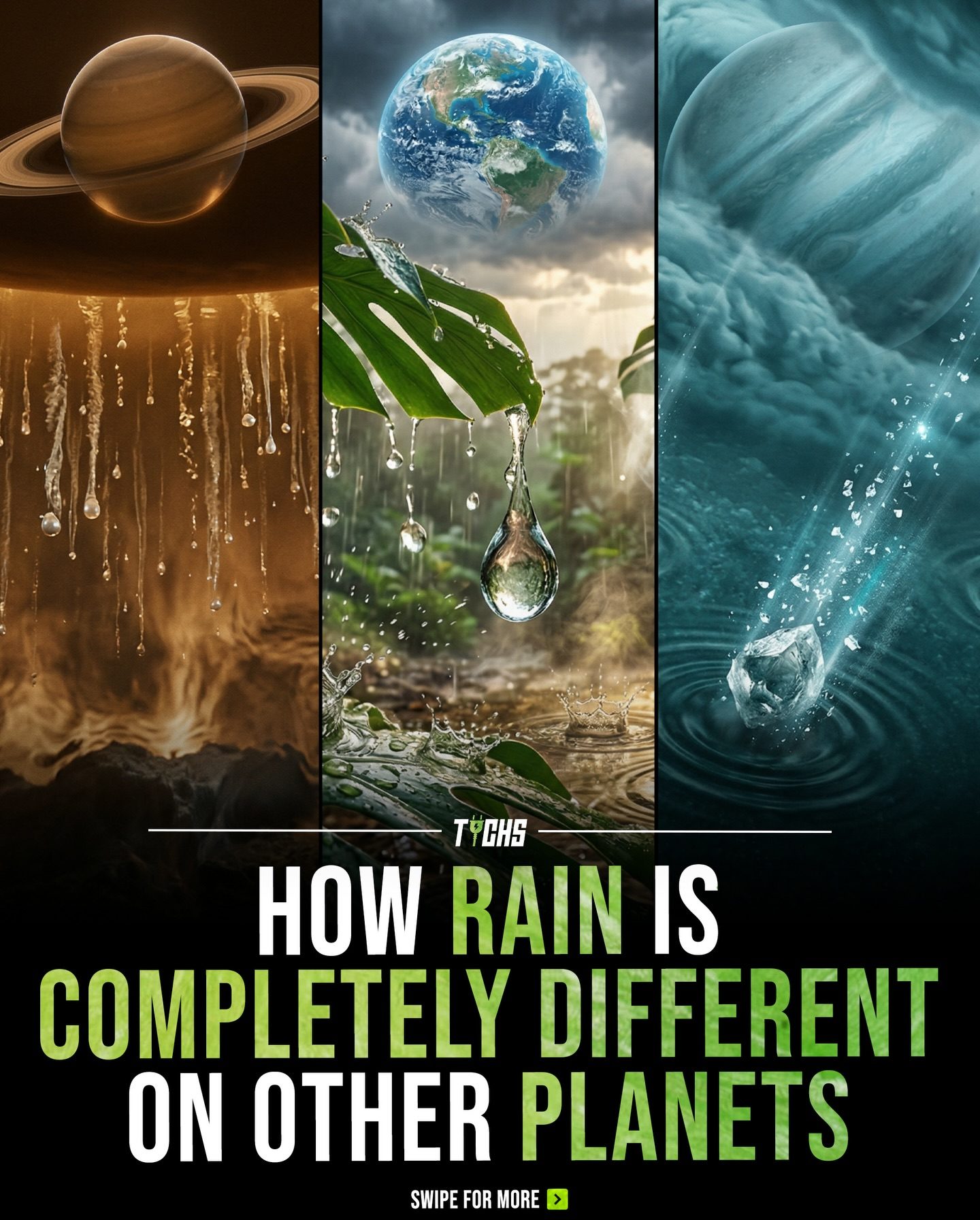
Rain, as we experience it on Earth, is a fundamental part of our weather patterns. It's composed of liquid water and is crucial for sustaining life. However, rain on other planets in our solar system is vastly different, shaped by the unique atmospheric conditions of each celestial body. Let’s delve into the diverse and often bizarre forms of precipitation found across the solar system.
Context: Why This Matters
Understanding the precipitation patterns on other planets helps us grasp the broader context of planetary science and the conditions necessary for life as we know it. By exploring how rain forms and behaves on different planets, we gain insights into the diversity of planetary environments and the fascinating ways in which physics and chemistry operate under extreme conditions.
The Variety of Rain in Our Solar System
Rain on Venus
On Venus, the rain is far from the refreshing droplets we experience on Earth. Venusian rain is composed of sulfuric acid, a highly corrosive substance. This acidic rain forms in the upper layers of Venus' atmosphere, where temperatures and pressures are more conducive to the formation of liquid sulfuric acid droplets. These droplets fall through the planet's thick atmosphere but evaporate before reaching the surface due to the extreme heat.
Rain on Mars
Mars, often referred to as the "Red Planet," has a starkly different rain story. Mars has a thin atmosphere, which makes it difficult for precipitation to form. As a result, liquid water rain is extremely rare on Mars. However, scientists have detected signs of ancient water flow on the Martian surface, suggesting that liquid water may have existed on the planet's surface in the past. Today, the planet's atmosphere is too thin to support sustained liquid water precipitation.
Rain on Earth
Earth's precipitation is characterized by liquid water rain, a crucial element for sustaining life. The water cycle on Earth involves the evaporation of water from bodies of water, the formation of clouds, and the subsequent precipitation as rain or snow. This cycle is essential for maintaining the planet's hydrosphere and supporting diverse ecosystems.
Rain on Gas Giants: Jupiter and Saturn
The gas giants, Jupiter and Saturn, have their own unique precipitation patterns. Jupiter is known for its intense storms, including the Great Red Spot, which is a massive storm system that has been raging for centuries. These storms produce ammonia rain, which forms in the upper layers of the planet's atmosphere and can be observed as bright white clouds. Saturn, on the other hand, experiences helium rain deep inside its atmosphere. This helium rain forms under extreme pressures and temperatures, creating a unique and alien precipitation pattern.
Diamond Rain on Uranus and Neptune
The ice giants, Uranus and Neptune, are known for their extreme conditions and unique precipitation patterns. Scientists believe that under the intense pressures found within these planets, carbon atoms can bond to form diamonds. These diamonds then fall as a form of precipitation, known as "diamond rain." This phenomenon is a result of the high pressures and temperatures within the planets, which compress carbon atoms into diamond structures.
Extreme Conditions on Other Planets
The diversity of precipitation on other planets is a testament to the extreme conditions found in the solar system. From the corrosive sulfuric acid rain on Venus to the diamond rain on Uranus and Neptune, each planet's unique atmospheric conditions shape its precipitation patterns. These conditions highlight the importance of understanding the physics and chemistry of planetary atmospheres in order to comprehend the broader context of planetary science.
Practical Tips for Exploring Planetary Precipitation
Exploring the diverse forms of precipitation in the solar system can be both fascinating and educational. Here are some practical tips for diving deeper into this topic:
- Read Scientific Papers: Delve into scientific journals and research papers to gain a deeper understanding of the atmospheric conditions and precipitation patterns on different planets. These papers often provide detailed analyses and data that can enhance your knowledge.
- Use Online Resources: Utilize online resources, such as NASA's website, to learn more about the atmospheres and precipitation patterns of different planets. These resources often include visuals, videos, and interactive tools that can make learning more engaging.
- Join Astronomy Clubs: Join local astronomy clubs or online communities to connect with fellow enthusiasts and experts. These groups often host discussions, lectures, and workshops that can provide valuable insights and learning opportunities.
- Attend Conferences and Workshops: Attend conferences and workshops focused on planetary science and astronomy. These events offer opportunities to learn from experts, participate in hands-on activities, and stay updated on the latest research and discoveries.
- Use Simulation Tools: Utilize simulation tools and software to explore the atmospheric conditions and precipitation patterns of different planets. These tools can provide a hands-on learning experience and help you visualize complex concepts.
Important Takeaways
The exploration of precipitation patterns on other planets reveals a fascinating and diverse range of atmospheric conditions and precipitation types. From the sulfuric acid rain on Venus to the diamond rain on Uranus and Neptune, each planet's unique characteristics shape its precipitation patterns. Understanding these patterns not only enhances our knowledge of planetary science but also provides insights into the broader context of life in the universe.
Conclusion
Rain on other planets is a captivating and complex topic that showcases the diversity and uniqueness of our solar system. By exploring the different forms of precipitation, we gain a deeper appreciation for the conditions that shape our own planet and the potential for life to exist in extreme environments. As we continue to explore and study the solar system, our understanding of planetary precipitation will undoubtedly grow, revealing even more fascinating phenomena and expanding our knowledge of the universe.
Watch the Reel
Questions readers ask
What kind of rain falls on Venus?
Venus experiences a constant deluge of sulfuric acid rather than water. This occurs because of the planet's thick, toxic atmosphere, which is composed primarily of carbon dioxide and nitrogen, with clouds of sulfuric acid. The intense heat on Venus prevents water from raining down, and instead, sulfuric acid droplets form and fall from the atmosphere as a constant rain.
Does it rain on Mars?
Rain on Mars is extremely rare due to its thin atmosphere and cold temperatures. The planet's weather patterns primarily involve dust storms and frost, with any liquid water quickly evaporating or freezing. However, there is evidence of past rainfall and liquid water flow on the surface, suggesting that conditions may have been different in the past.
What causes the unique precipitation on other planets?
The unique precipitation on other planets is primarily due to their distinct atmospheric compositions and temperatures. For instance, the presence of sulfuric acid clouds on Venus and the cold, thin atmosphere on Mars contribute to their unique precipitation patterns. Understanding these differences helps scientists learn more about the planetary environments and the potential for life beyond Earth.
How does Jupiter's rain differ from Earth's?
Jupiter's rain is unlike anything on Earth. The gas giant's atmosphere is composed mainly of hydrogen and helium, with clouds of ammonia and water vapor. On Jupiter, ammonia and water droplets fall as rain, and their extreme depths cause them to transform into exotic forms of matter, such as liquid metallic hydrogen.
Can it rain diamonds on other planets?
Yes, on planets like Neptune and Uranus, scientists believe that it can rain diamonds. The extreme pressure and temperature conditions in the atmospheres of these ice giants cause carbon to crystallize into diamonds, which then fall as precipitation. This process is still a subject of ongoing research and exploration.
Related deep dives
Similar reads based on topic and creator.

Recent articles
Fresh deep dives from the latest Reels we unpacked.




Comments
Be the first to comment.