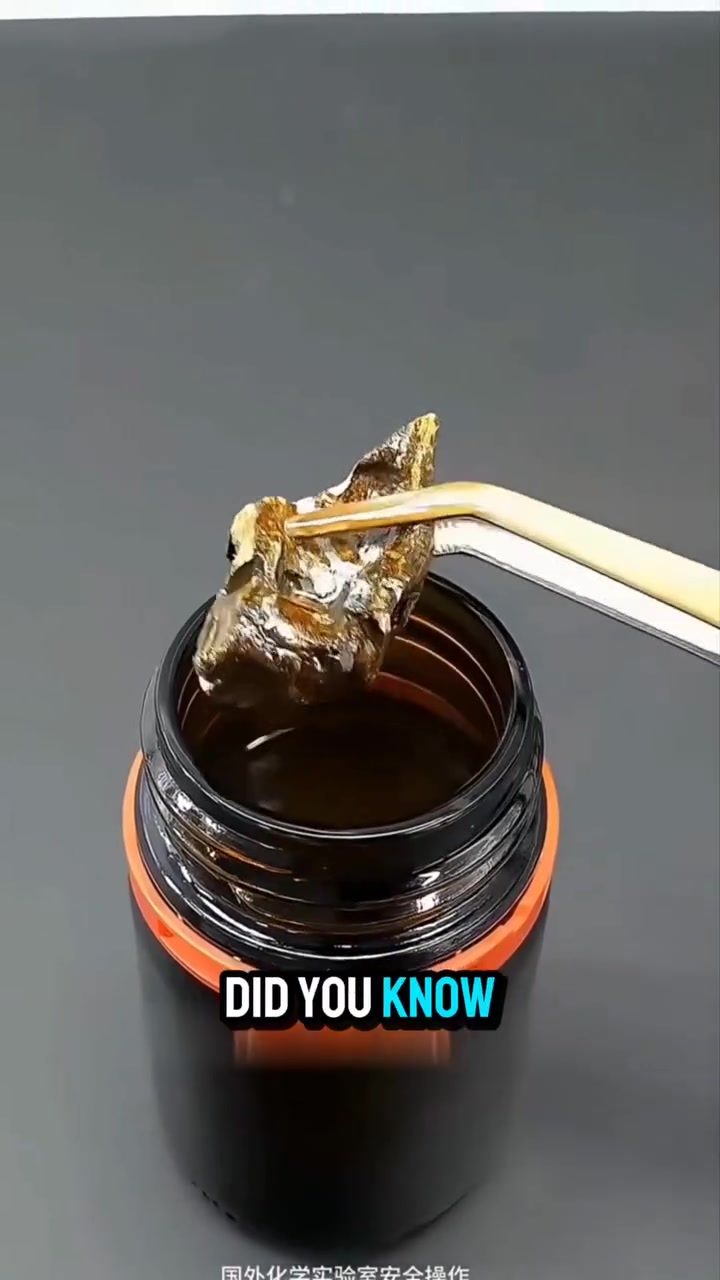
Extraction of Potassium from Banana Peels
Potassium is an essential element with numerous applications in various industries. Did you know that it can also be extracted from an unlikely source: banana peels? This innovative process highlights the potential for recycling organic waste and turning it into valuable resources. Let's delve into the step-by-step method of extracting potassium from banana peels, a process that combines simple laboratory techniques with some extreme conditions.
Why This Matters
Potassium is a critical element in many industrial and agricultural processes. From fertilizers to soaps, and even in the production of certain foods, potassium plays a vital role. The ability to extract it from organic waste like banana peels not only provides an economical alternative but also promotes sustainable practices. This method reduces waste and turns it into a useful resource, benefiting both the environment and industry.
The Extraction Process
Initial Preparation
The process begins with the collection of banana peels, which are then dried for several weeks. This step is crucial as it removes moisture from the peels, making the subsequent steps more effective. Once dried, the peels are burned with alcohol to produce ash. This ash is then mixed with water, and insoluble compounds are filtered out. The resulting solution is highly alkaline and rich in potassium compounds.
Converting to Potassium Carbonate
Next, carbon dioxide is bubbled through the solution. This chemical reaction converts potassium hydroxide into potassium carbonate. Activated carbon is then added to the mixture to remove any organic impurities. After this purification step, the water is evaporated, leaving behind potassium carbonate powder. This powder is the precursor to the final product, pure metallic potassium.
Extreme Conditions
The real magic happens in the next stage. The potassium carbonate powder is mixed with magnesium and heated to around 1000 degrees Celsius. At this extreme temperature, magnesium forces the potassium out of the compound. Because potassium boils at about 774 degrees Celsius, it vaporizes and then condenses at the outlet. This process is conducted under mineral oil to protect the potassium from reacting with the air and to ensure purity.
Final Purification
The condensed potassium is collected and repeatedly washed. This washing step removes any remaining impurities, resulting in pure metallic potassium. The final product is a valuable resource that can be used in various applications, from industrial processes to scientific research.
Practical Tips
If you're interested in trying this experiment at home or in a laboratory setting, here are some practical tips to keep in mind:
Safety First
Handling potassium and working with high temperatures requires extreme caution. Always wear appropriate protective gear, including gloves, goggles, and a lab coat. Ensure your workspace is well-ventilated and free from flammable materials.
Equipment and Materials
You'll need several pieces of laboratory equipment, including a drying oven, beakers, filters, and a heating apparatus capable of reaching high temperatures. Additionally, you'll need alcohol, carbon dioxide, activated carbon, magnesium, and mineral oil.
Precise Measurements
Precision is key in chemical processes. Ensure that you measure all substances accurately to avoid contamination or incomplete reactions. Follow the steps carefully to achieve the best results.
Environmental Considerations
While this process is sustainable in terms of turning waste into a valuable resource, it's essential to dispose of any waste materials responsibly. Follow local regulations for disposing of chemical waste and consider recycling any reusable materials.
Important Takeaways
Extracting potassium from banana peels is an innovative and sustainable method that showcases the potential of turning organic waste into valuable resources. The process involves several steps, from drying and burning the peels to using extreme temperatures to extract the potassium. By following proper safety protocols and using the right equipment, this method can be successfully replicated in a laboratory setting.
Conclusion
The extraction of potassium from banana peels is a fascinating example of turning everyday waste into a valuable resource. This process not only provides an economical source of potassium but also highlights the importance of sustainable practices. By understanding and replicating this method, we can contribute to a more sustainable future.
Watch the Reel
Questions readers ask
Can I extract potassium from banana peels at home with simple tools?
Yes, you can perform a basic extraction using simple tools like a blender, stove, and strainer. However, to obtain a pure potassium compound, you'll need more advanced laboratory techniques to refine the extract. This process can be performed safely in a controlled environment, and not recommended for unexperienced individuals.
What are the different methods to extract potassium from banana peels?
There are several methods, ranging from simple to advanced. The basic DIY method involves drying, grinding, and soaking the peels in water to extract potassium. More advanced methods involve using extreme conditions, such as high temperatures and pressures, or chemical reactions to isolate and purify potassium compounds.
Why use banana peels for potassium extraction?
Banana peels are a rich source of potassium, making them an excellent material for extraction. Using banana peels for this purpose also promotes recycling and reduces organic waste, making it an environmentally friendly option. Additionally, banana peels are readily available and inexpensive, making this method both cost-effective and practical.
What can I use the extracted potassium for?
The extracted potassium can be used in various ways, such as making fertilizer for plants, creating homemade soaps, and even in certain food preparations. Keep in mind, the purity and form of the extracted potassium will depend on the extraction method used, which will determine its suitability for each specific use.
Is the extracted potassium safe for use in agriculture?
Potassium extracted from banana peels can be beneficial for plants, but it's crucial to ensure it's free from contaminants and in a suitable form for plant uptake. Basic DIY extraction methods may not yield a pure enough form of potassium for direct agricultural use. It’s recommended to refine the extract or to perform further laboratory analysis to confirm its composition and safety before applying it to plants.
What are the potential challenges in extracting potassium from banana peels?
Challenges include ensuring the extraction process is thorough and efficient, as well as purifying the potassium to a usable form. Additionally, the process may require specific equipment and safety measures, especially when using extreme conditions or chemical reactions. Proper disposal of waste materials generated during the process is also important to consider.
How can I measure the amount of potassium extracted from banana peels?
The simplest way to estimate the amount of potassium extracted is by measuring the volume and concentration of the potassium solution obtained. More accurate measurements can be achieved using laboratory equipment, such as a spectrophotometer or an atomic absorption spectrophotometer. Alternatively, if you're using the potassium for a specific purpose, you can test it in a controlled environment to determine its effectiveness.
Related deep dives
Similar reads based on topic and creator.


Recent articles
Fresh deep dives from the latest Reels we unpacked.




Comments
Be the first to comment.