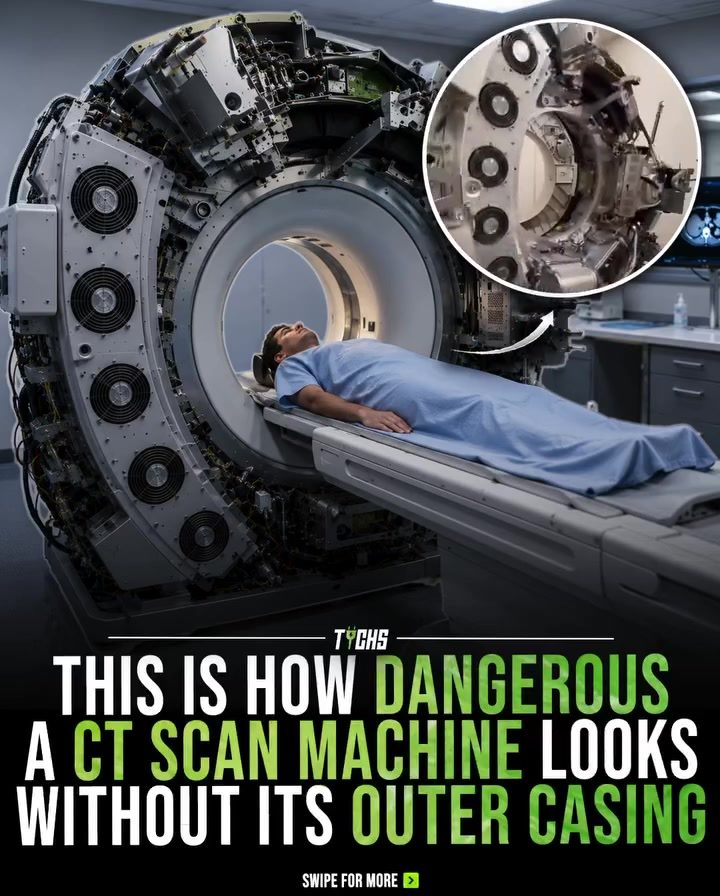
CT Scan Machines: A Deep Dive into Their Engineering and Safety
CT scanners are advanced medical imaging devices that produce detailed cross-sectional images of the human body. These machines are essential tools in modern healthcare, aiding in the diagnosis and treatment of a wide range of medical conditions.
Why These Machines Matter
The internal complexity of CT scanners is often hidden from view. The outer casing of a CT scan machine serves a crucial purpose beyond aesthetics. It protects both the patient and the operator from the high-energy X-rays and moving parts within. The sophisticated engineering inside a CT scanner includes precision motors, high-speed rotating assemblies, detectors, cooling systems, and an X-ray tube. These components work in harmony to generate precise images, but they can be dangerous if exposed. The protective casing ensures safe operation and patient comfort, making it an indispensable part of the machine.
Understanding the Components
Precision Motors and Rotating Assemblies
At the heart of a CT scanner are precision motors and high-speed rotating assemblies. These components are responsible for moving the X-ray tube and detectors around the patient. The precision of these movements is critical for producing accurate images. Any deviation can result in blurred or distorted images, which can compromise diagnostic accuracy.
Detectors and Cooling Systems
Detectors play a pivotal role in capturing the X-ray signals that pass through the patient's body. These signals are then converted into digital data, which is processed to create detailed images. Cooling systems are equally important, as they help maintain optimal operating temperatures for the machine's components, ensuring reliability and longevity.
X-Ray Tube
The X-ray tube is the source of the high-energy radiation used to create the images. It generates X-ray beams that pass through the patient's body and are detected on the other side. The data from these detectors is then used to reconstruct the images. The X-ray tube must be carefully shielded to prevent radiation leakage, which could be harmful to both patients and medical staff.
The Role of the Outer Casing
The outer casing of a CT scanner is more than just a protective cover. It is designed to ensure the safe operation of the machine. It prevents unauthorized access to the internal components, which can be dangerous if mishandled. The casing also helps to dampen noise and vibrations, contributing to a more comfortable experience for the patient.
Safety Features
CT scanners are engineered with multiple safety features to operate safely in clinical environments. These include:
- Shielding: The machine is equipped with shielding to prevent radiation leakage.
- Interlocks: Mechanical and electronic interlocks ensure that the machine can only operate when all safety conditions are met.
- Emergency Stop: An emergency stop button allows for immediate cessation of the scan in case of an emergency.
- Training Requirements: Operators must be trained to use the machine safely, ensuring that they understand the risks and how to mitigate them.
Practical Tips for Handling CT Scanners
Regular Maintenance
Regular maintenance is crucial for the safe and effective operation of a CT scanner. This includes routine checks of the mechanical and electrical components, as well as calibration of the imaging system to ensure accuracy.
Proper Use
Always follow the manufacturer's guidelines for using the machine. This includes proper positioning of the patient, adherence to safety protocols, and regular inspections of the machine's components.
Training
Proper training is essential for anyone operating a CT scanner. This includes understanding the machine's controls, safety features, and emergency procedures.
Patient Comfort
Ensure that the patient is comfortable and properly positioned during the scan. This includes explaining the procedure to the patient, answering any questions they may have, and making sure they are in a comfortable position.
Important Takeaways
The internal workings of a CT scanner are a testament to modern engineering and medical technology. The precision and complexity of the components inside the machine enable the production of detailed medical images. However, it is crucial to appreciate the importance of the outer casing and the safety features that ensure the machine operates safely.
Conclusion
CT scanners are indispensable tools in modern healthcare, providing detailed images that aid in diagnosis and treatment. Understanding the engineering and safety features of these machines is essential for anyone involved in their operation. The outer casing, precision motors, rotating assemblies, detectors, cooling systems, and X-ray tube all play critical roles in ensuring the effectiveness and safety of CT scanners. By adhering to proper maintenance, usage, and training protocols, medical professionals can ensure that these machines continue to serve their vital role in healthcare.
Watch the Reel
Questions readers ask
What are the key components inside a CT scan machine?
The main components inside a CT scan machine include precision motors, high-speed rotating assemblies, detectors, cooling systems, and an X-ray tube. These parts work together to create detailed images of the body's internal structures. The precision motors facilitate the smooth and accurate movement of the X-ray tube and detectors, while the cooling systems ensure that the machine operates within safe temperature limits.
How does the outer casing of a CT scan machine contribute to safety?
The outer casing of a CT scan machine is designed to shield both patients and operators from high-energy X-rays and moving parts. It is made of materials that absorb and attenuate X-ray radiation, preventing leaks and ensuring safe operation. Additionally, the casing helps to minimize noise and vibrations, contributing to a more comfortable environment for patients.
What is the role of the X-ray tube in a CT scan machine?
The X-ray tube in a CT scan machine is responsible for generating the X-ray beam that passes through the patient's body. It produces high-energy photons that are then detected and processed to create cross-sectional images. The X-ray tube rotates around the patient, emitting X-rays from various angles to capture a complete set of data for image reconstruction.
How do CT scan machines ensure precise and accurate imaging?
CT scan machines use precision motors and high-speed rotating assemblies to move the X-ray tube and detectors with exceptional accuracy. These components are engineered to minimize any wobble or misalignment, ensuring that the X-ray beam passes through the body in a consistent and predictable manner, thus generating precise and detailed images.
What safety measures are in place to protect patients during a CT scan?
CT scan machines incorporate several safety measures to protect patients. The outer casing provides radiation shielding, and lead or other radiation-absorbing materials are often used within the machine to prevent radiation leakage. Additionally, the machine is designed to limit the X-ray dose to the patient through techniques like automatic exposure control, which adjusts the X-ray output based on the patient's size and the specific exam being performed.
What are the engineering principles behind the operation of a CT scan machine?
CT scan machines operate on principles of X-ray physics and computer tomography. The X-ray tube generates X-ray beams, which pass through the body and are detected by sensors on the opposite side. The computer then processes the attenuation data from different angles to reconstruct a cross-sectional image of the body. The entire process involves complex algorithms and precise mechanical movements to ensure high-quality imaging.
How does the cooling system in a CT scan machine work?
The cooling system in a CT scan machine is crucial for maintaining optimal operating conditions, especially for the X-ray tube, which generates significant heat during operation. It typically consists of a combination of air and liquid cooling methods. High-velocity airflow and liquid coolant are used to dissipate heat efficiently, preventing overheating and ensuring the longevity and reliability of the machine's components.
Recent articles
Fresh deep dives from the latest Reels we unpacked.




Comments
Be the first to comment.