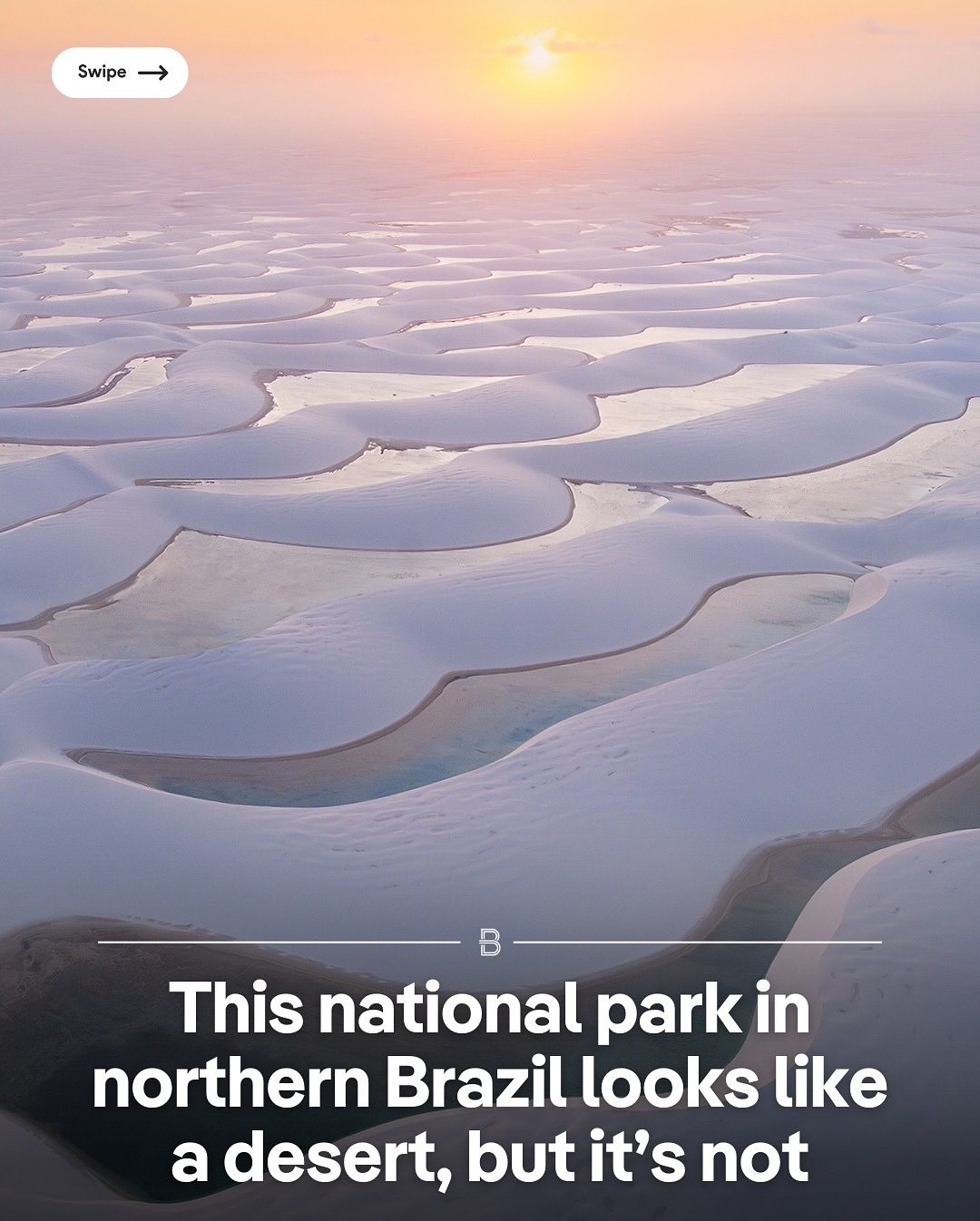
Lençóis Maranhenses National Park
Lençóis Maranhenses National Park in northern Brazil is a geological marvel that defies initial perceptions. From a distance, it appears as a vast desert, but this is far from the truth. The park, located in the state of Maranhão, is a captivating landscape where the forces of wind, water, and sand create a unique and otherworldly environment.
Why This Matters
Lençóis Maranhenses National Park is more than just a destination; it's an experience that challenges expectations and rewards exploration. Understanding the unique characteristics and best times to visit can help travelers make the most of their journey to this extraordinary place. The park is a testament to nature's ability to surprise and delight, making it a must-visit for adventurers seeking something beyond typical tourist spots.
The Unique Landscape
A Desert That Isn't
At first glance, Lençóis Maranhenses looks like a traditional desert with vast expanses of white sand dunes stretching as far as the eye can see. The dunes, which can reach heights of up to 40 meters, are formed by the region's strong winds and shifting sands. However, the landscape is not a typical desert — it receives over 1,200 mm of rain annually. This heavy rainfall leads to a surprising transformation during the wet season.
The Formation of Lagoons
Rainwater from January to May seeps into the valleys between the dunes, forming thousands of crystal-clear lagoons. These lagoons are a stark contrast to the dry, sandy landscape, creating a breathtaking sight that is unique to this region. The lagoons are fed by groundwater and can last for several months, depending on the amount of rainfall. This natural phenomenon makes Lençóis Maranhenses one of the most picturesque locations in Brazil.
Best Time to Visit
The Dry Season
The best time to visit Lençóis Maranhenses National Park is during the dry season, from June to September. During this period, the lagoons are at their fullest, offering clear, refreshing waters for swimming and enjoying. The skies are also dry and clear, providing perfect conditions for outdoor activities.
The Rainy Season
While the rainy season from January to May brings the formation of the lagoons, it can be challenging for travel due to heavy rainfall and muddy conditions. However, for those who want a unique experience, the transition period from May to June, when the lagoons are filling, can be spectacular.
Activities and Exploration
Exploring On Foot
Walking through the dunes and lagoons of Lençóis Maranhenses is an unforgettable experience. The soft, white sand and the serene atmosphere create a sense of tranquility. Adventurers can hike across the dunes, feeling the sand beneath their feet and the cool lagoon water on their skin. Guided tours are available for those who want a more structured experience.
4x4 Adventures
For a more adventurous exploration, a 4x4 vehicle tour can take travelers through the park's vast landscapes. This mode of transportation provides access to more remote areas and offers a thrilling way to experience the dunes and lagoons. The rugged terrain is best navigated by experienced drivers, ensuring a safe and enjoyable journey.
Scenic Flights
To truly appreciate the scale and beauty of Lençóis Maranhenses, a scenic flight is a must. From above, the park's dunes ripple like fabric, earning it the name "Lençóis Maranhenses," which means "bedsheets" in Portuguese. A bird's-eye view reveals the intricate patterns and the stunning contrast between the white dunes and the blue lagoons.
Practical Tips
What to Pack
When visiting Lençóis Maranhenses, it's essential to be prepared with the right gear. Comfortable walking shoes, a hat, sunscreen, and plenty of water are must-haves. Lightweight clothing is recommended, and it's also a good idea to bring a change of clothes for swimming in the lagoons. For the rainy season, waterproof gear and sturdy footwear are necessary.
Choosing a Guide
Hiring a local guide can greatly enhance the experience, as they know the best spots and can provide valuable insights into the park's ecosystem. Guided tours often include transportation, meals, and accommodation, making the planning process smoother.
Important Takeaways
Lençóis Maranhenses National Park offers a unique blend of desert and oasis, making it a dream destination for nature lovers and adventure seekers. The best time to visit is during the dry season, from June to September, when the lagoons are full and the weather is pleasant. Whether exploring on foot, by 4x4, or from above, the park promises an unforgettable experience. The interplay of wind, water, and sand creates a landscape that is both serene and awe-inspiring, making it one of Brazil's most unique natural wonders.
Conclusion
Lençóis Maranhenses National Park is a true marvel, where nature's forces create a dreamscape that defies expectations. From the sweeping white sand dunes to the crystal-clear lagoons, every aspect of this park invites exploration and admiration. Whether you are a seasoned traveler or a first-time adventurer, the park offers an experience that is both humbling and exhilarating.
Watch the Reel
Questions readers ask
What makes the lagoons of Lençóis Maranhenses National Park so unique?
The lagoons are unique because they are formed by rainfall that collects in the valleys between the sand dunes, creating crystal-clear bodies of water. Their existence and size vary greatly depending on the season, making each visit a distinct experience.
When is the best time to visit Lençóis Maranhenses National Park to see the lagoons?
The best time to visit is during the wet season, from January to June. During these months, the lagoons are at their fullest and most vibrant. However, visiting in the dry season can also offer a stark, beautiful landscape, but with far fewer lagoons.
Are there guided tours available in Lençóis Maranhenses National Park?
Yes, guided tours are available and highly recommended. Local guides offer insights into the park's unique landscape, ensuring safety and providing a deeper understanding of the environment. Some tours focus on specific activities like hiking, horseback riding, or even photography.
How do the white sand dunes affect the landscape of Lençóis Maranhenses National Park?
The white sand dunes are a defining feature of the park that creates a striking contrast with the vibrant blue lagoons. They are formed by the wind and can shift over time, continually reshaping the landscape. These dunes also play a crucial role in the formation of the lagoons by trapping rainwater.
What should visitors expect from the landscape in Lençóis Maranhenses National Park during the wet season?
During the wet season, visitors can expect a dramatic transformation of the landscape. The desert-like environment turns into a breathtaking water world, with lagoons forming and expanding across the dunes. This period is ideal for swimming, kayaking, and other water-based activities.
Is Lençóis Maranhenses National Park only a seasonal destination?
While the park offers different experiences throughout the year, the most dramatic changes occur between the wet and dry seasons. The wet season, from January to June, is when the lagoons are at their peak, but the dry season, from July to December, presents a unique desert-like landscape.
What are the best ways to capture the beauty of Lençóis Maranhenses National Park in photographs?
To capture the best photos, visit during the early morning or late afternoon when the light is soft and warm. Local guides can help identify the most scenic spots, and bringing a wide-angle lens will help capture the vastness of the dunes and lagoons. Also, consider using a drone for aerial shots to fully appreciate the park's scale and beauty.
Related deep dives
Similar reads based on topic and creator.




Recent articles
Fresh deep dives from the latest Reels we unpacked.




Comments
Be the first to comment.