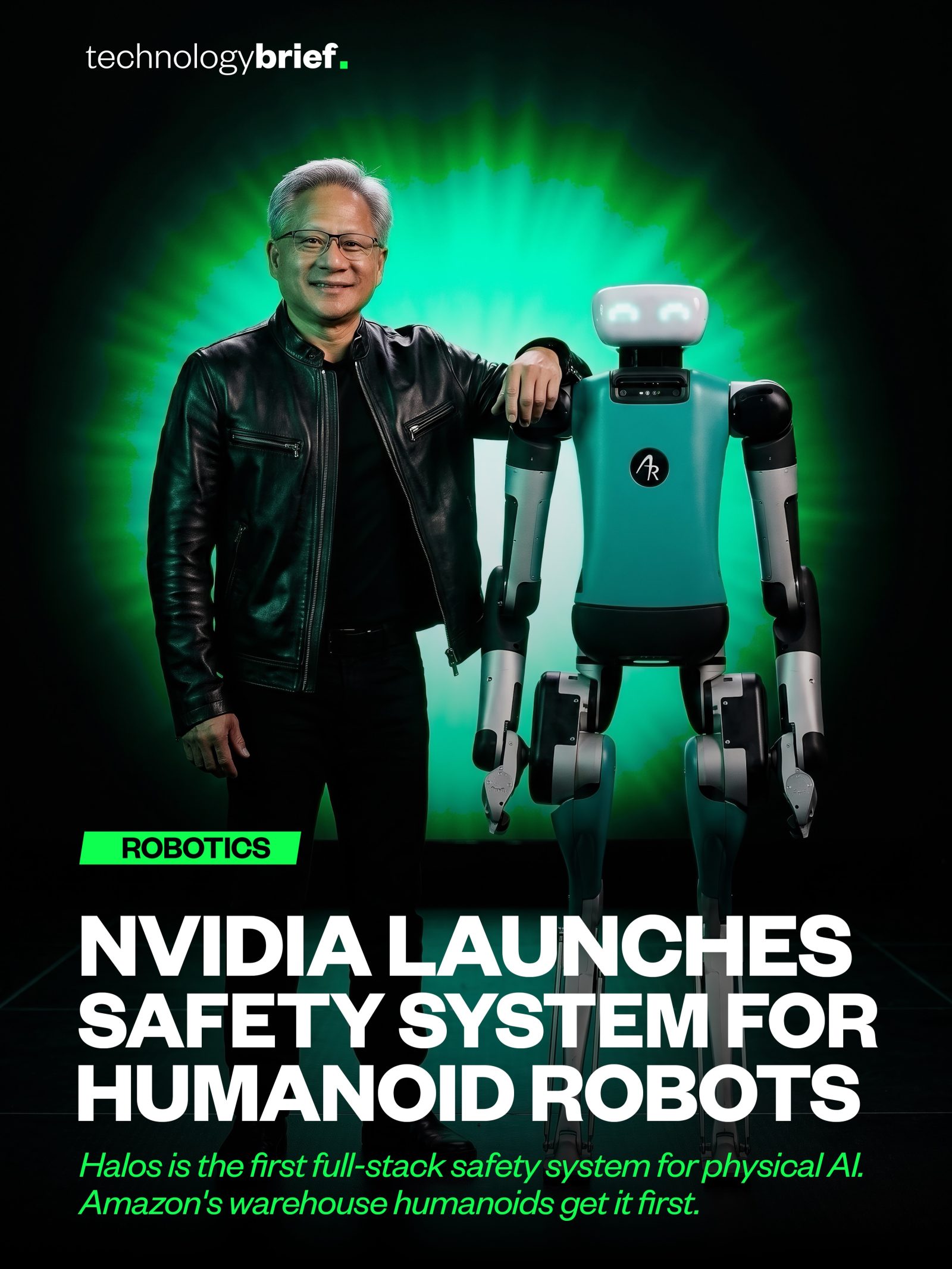
NVIDIA Humanoid Robot Safety System
Humanoid robots are increasingly becoming a staple in various industries, from warehouses to logistics centers. However, their widespread adoption hinges on one critical factor: safety. NVIDIA, a leader in AI and robotics technology, has introduced a groundbreaking solution called Halos, a full-stack safety system designed specifically for humanoid robots. This system aims to ensure that these robots can operate safely around humans in cluttered, real-world environments.
Why This Matters
The safety of humanoid robots is paramount, especially in settings where they interact closely with humans. Halos addresses this need by providing a robust safety framework that minimizes risks and enhances operational efficiency. With the potential for humanoid robots to become a $200 billion market, ensuring their safety and reliability is crucial for their successful integration into various industries.
Main Discussion
The Halos System
Halos is the first full-stack safety system designed for physical AI, particularly for humanoid robots. This system includes several key components that work together to ensure the safety and efficiency of these robots.
The NVIDIA IGX THOR Chip
At the heart of the Halos system lies the NVIDIA IGX THOR chip. This chip is designed for industrial-grade computing and has safety features built directly into the silicon. It ensures that the robot can handle complex tasks and make critical decisions in real-time, all while maintaining a high level of safety.
The Holoscan Sensor Bridge
The Holoscan sensor bridge is another essential component of the Halos system. It feeds real-time data from every sensor to the NVIDIA IGX THOR chip, allowing the robot to make informed decisions based on its surroundings. This real-time data integration is crucial for the robot’s ability to navigate and operate in dynamic environments.
Extensive Engineering Effort
The development of Halos represents 18,600 engineering-years of work. This substantial investment underscores NVIDIA's commitment to creating a reliable and safe system for humanoid robots. The extensive engineering effort ensures that Halos is not just a theoretical concept but a practical solution ready for real-world applications.
Application in Warehouses and Logistics
Halos is particularly relevant for Amazon’s warehouse humanoids, which are among the first to receive this safety system. The application of Halos in warehouse automation draws parallels to NVIDIA's successful safety architecture used in self-driving cars. This transition demonstrates NVIDIA's capability to extend its expertise from one domain to another, ensuring safety and reliability in both automotive and robotics sectors.
Standardized Safety Architecture
NVIDIA's Halos is the industry’s first standardized safety architecture for physical AI. This standardized approach ensures that safety protocols are consistent and reliable across different robots and environments. By implementing a standardized safety architecture, NVIDIA aims to set a new benchmark for robot safety, making it easier for other companies to adopt and integrate this technology into their own systems.
Practical Tips
Implementing a safety system like Halos requires careful consideration and planning. Here are some practical tips for ensuring the successful integration of Halos into robotics operations:
Conduct Thorough Risk Assessments
Before deploying humanoid robots with the Halos system, conduct thorough risk assessments to identify potential hazards and address them proactively. This includes evaluating the environment where the robots will operate and identifying any specific risks associated with human-robot interactions.
Train Personnel on Safety Protocols
Ensure that all personnel involved in the operation and maintenance of humanoid robots are well-trained in the safety protocols provided by the Halos system. This training should cover emergency procedures, routine maintenance, and best practices for ensuring safe interactions between robots and humans.
Regularly Update and Maintain the System
Regular updates and maintenance are essential for keeping the Halos system up-to-date with the latest safety features and improvements. This includes ensuring that all sensors, chips, and software components are functioning correctly and are compatible with each other.
Foster Collaboration and Communication
Promote a culture of collaboration and communication between different teams involved in the deployment and operation of humanoid robots. This includes engineers, safety officers, and operational staff. Effective communication ensures that any issues or concerns are addressed promptly, minimizing risks and enhancing overall safety.
Continuously Monitor and Evaluate Performance
Continuously monitor and evaluate the performance of the Halos system to identify any areas for improvement. This includes collecting performance data, analyzing incident reports, and making necessary adjustments to enhance safety and efficiency.
Important Takeaways
- Halos represents a significant advancement in the safety of humanoid robots, ensuring they can operate safely around humans in various environments.
- The NVIDIA IGX THOR chip and Holoscan sensor bridge are key components of the Halos system, providing industrial-grade computing and real-time data integration.
- Extensive engineering effort, standardized safety architecture, and real-world applications demonstrate NVIDIA's commitment to developing a reliable and safe system for humanoid robots.
- Implementing Halos requires thorough risk assessments, regular updates, and continuous monitoring to ensure optimal performance and safety.
Conclusion
The introduction of NVIDIA's Halos system represents a major leap forward in the safety and reliability of humanoid robots. By addressing the critical need for safety in human-robot interactions, Halos paves the way for the widespread adoption of these robots in various industries. As the market for humanoid robots continues to grow, systems like Halos will play a pivotal role in ensuring their safe and efficient operation, making them a valuable addition to any robotic workforce.
Watch the Reel
Questions readers ask
What is NVIDIA's Halos and why is it important for humanoid robots?
NVIDIA's Halos is a cutting-edge safety system designed specifically for humanoid robots. It is crucial because it ensures that these robots can operate securely in human-centric environments, thereby reducing risks and enhancing operational efficiency in various industries.
How does the IGX THOR chip contribute to the safety of humanoid robots?
The IGX THOR chip is a key component of NVIDIA's Halos system. It enhances robotic safety by providing advanced processing capabilities, which are essential for real-time decision-making and safe interactions in dynamic environments.
What is the role of the Holoscan sensor bridge in NVIDIA's Halos system?
The Holoscan sensor bridge serves as a vital link in the Halos system, enabling seamless integration of various sensors. This component ensures that humanoid robots can accurately perceive and respond to their surroundings, further improving their safety and efficiency in human-centric environments.
Can NVIDIA's Halos system be integrated into existing industrial robotics infrastructures?
Yes, NVIDIA's Halos system is designed for broader integration across industries, including existing robotics infrastructures. It is a full-stack safety system that can be adapted to enhance the safety and efficiency of humanoid robots in various settings.
What industries can benefit from the advanced safety features of NVIDIA's Halos?
Industries such as warehouses and logistics centers can significantly benefit from the advanced safety features of NVIDIA's Halos. By ensuring the safe operation of humanoid robots around humans, this system paves the way for broader integration and more efficient operations across these sectors.
How does NVIDIA's Halos improve the physical safety of humanoid robots in real-world environments?
NVIDIA's Halos improves the physical safety of humanoid robots by providing a robust safety framework that minimizes risks. This system enables robots to navigate and operate securely in cluttered, real-world environments, ensuring safe interactions with humans.
What are the key components of NVIDIA's Halos safety system for humanoid robots?
The key components of NVIDIA's Halos safety system include the IGX THOR chip and the Holoscan sensor bridge. These components work together to enhance robotic safety and efficiency, making it possible for humanoid robots to operate securely in human-centric environments.
Related deep dives
Similar reads based on topic and creator.




Recent articles
Fresh deep dives from the latest Reels we unpacked.




Comments
Be the first to comment.