Norilsk, Russia: A City of Isolation and Resilience
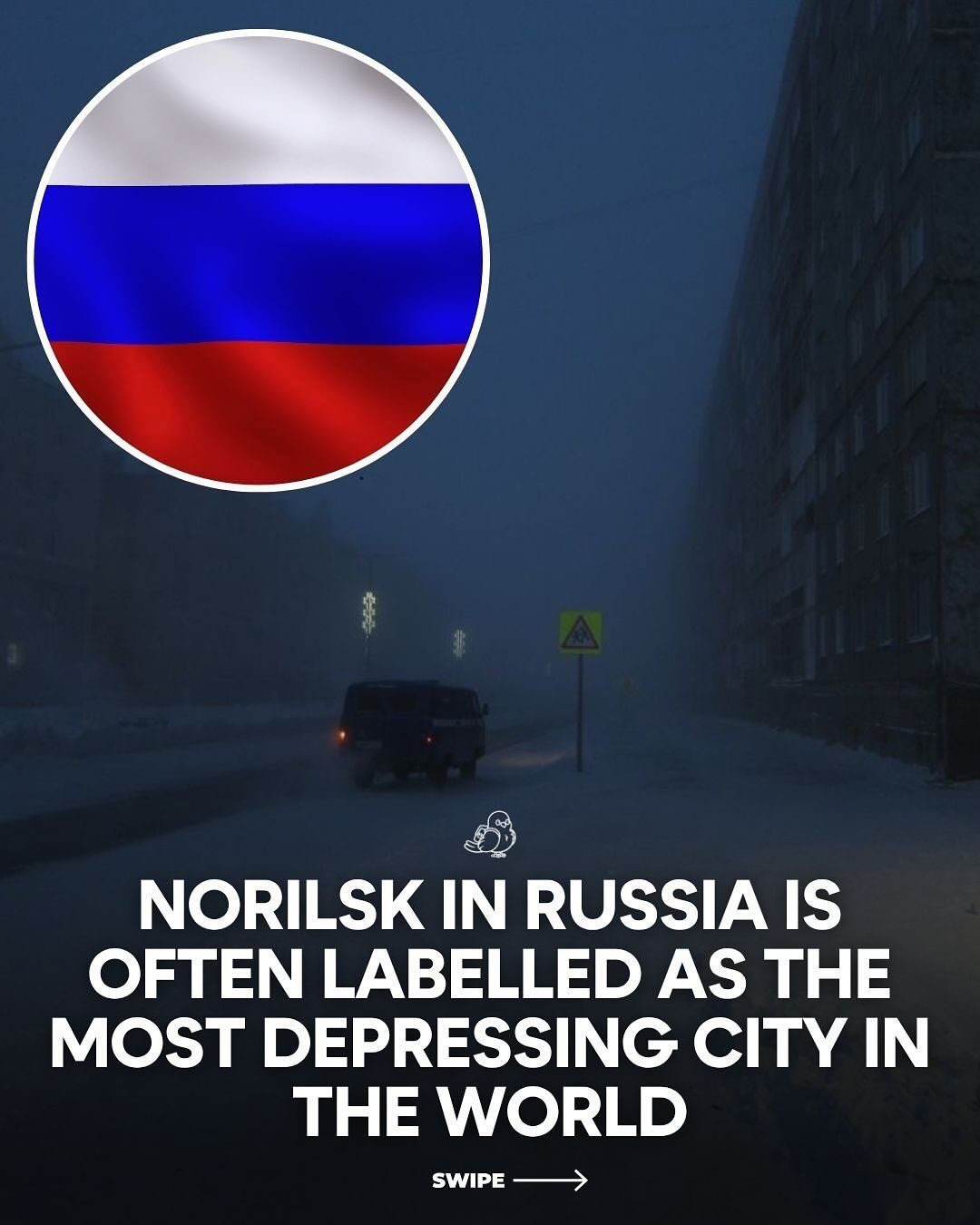
Nestled in the frozen expanse of Siberia, Norilsk, Russia, is often labeled as one of the most depressing cities in the world. This reputation is not unfounded, given the city's harsh climate, severe pollution, and grim history. However, beneath the bleak surface, there are signs of resilience and transformation.
Why This Matters
Understanding Norilsk provides a unique lens through which to view the impact of environmental degradation, historical trauma, and isolation on human communities. The city's story serves as a poignant reminder of how these factors shape a place and its people.
The Harsh Realities of Norilsk
Environmental Degradation
Norilsk's air is thick with pollution from massive nickel and copper smelting plants. The smog turns the sky a permanent grey and stains rivers red with toxic runoff. The environmental impact is not limited to the city; vast areas of the surrounding tundra are devastated by the release of millions of tons of sulfur dioxide each year. This level of pollution is among the highest in the world, posing significant health risks to locals, who face increased chances of respiratory illnesses, cancers, and other health issues.
Climate and Isolation
The climate in Norilsk is as unforgiving as its history. Winter temperatures regularly drop below -50°C, and weeks can pass without a single sunrise, casting the city in continuous darkness. This extreme isolation deepens the city's desolation, making daily life even more challenging.
A Troubled Past
Norilsk isn't just environmentally scarred; it is also haunted by its origins. The city was built on Gulag labor, with its stark Soviet-era buildings constructed by prisoners who endured unimaginable Arctic conditions. The harsh conditions and forced labor have left a deep psychological scar on the city's collective memory.
Economic Dependence on Mining
Norilsk's economy is heavily dependent on mining and metallurgy, which contributes to both its prosperity and its pollution. Despite the environmental cost, these industries provide jobs and financial stability for many residents. The city's isolation means that these industries are not just economic drivers but also lifelines for the community.
Social and Economic Challenges
Living in a place with such harsh conditions and a troubled past, Norilsk's residents face multiple challenges. Beyond environmental and health concerns, the city's social fabric is often strained by the harsh climate and economic reliance on industries that contribute to its pollution. Yet, despite these challenges, many residents have found ways to build meaningful lives in this unique environment.
The Arctic Museum of Modern Art
In recent years, Norilsk has seen a glimmer of hope. The city is set to welcome a new Arctic Museum of Modern Art. This cultural landmark serves as a symbol of transformation and a beacon of hope in a landscape often defined by industry and ice. The museum's arrival is a timely reminder of how even the coldest, darkest corners can still hold the spark of change and renewal.
Practical Tips for Visitors
Visiting Norilsk is not for the faint-hearted, but for the adventurous traveler, it offers a unique experience. Here are some practical tips:
- Prepare for Extreme Conditions: Pack appropriate winter gear, including thermal clothing, insulated boots, and protective eyewear. Be ready for temperatures that can drop below -50°C.
- Research the Best Time to Visit: Although the city is bleak, the best time to visit might be during the short summer, when temperatures are relatively milder, and there is more daylight.
- Be Respectful of Local Culture: Norilsk's residents have a unique perspective on life. Be respectful of their resilience and their community's history.
Important Takeaways
Norilsk stands as a stark reminder of how environment, history, and isolation shape a place. The city's bleak landscape, severe pollution, and harsh climate create an atmosphere of desolation. However, the resilience of its people and the emergence of cultural initiatives like the Arctic Museum of Modern Art show that even in the harshest conditions, there is potential for transformation and hope.
Conclusion
Norilsk is a city of contrasts, where the harshest conditions coexist with human resilience. While it is often labeled as one of the most depressing places on Earth, it also serves as a testament to human adaptability. For those willing to venture into its frozen expanse, Norilsk offers a poignant and unique experience. Despite its challenges, it stands as a symbol of hope and transformation.
Watch the Reel
Questions readers ask
Why is Norilsk often considered one of the most depressing cities in the world?
Norilsk's reputation stems from its harsh Arctic climate, severe pollution due to heavy mining activities, and a history marked by isolation and hardship. The city's remoteness and challenging living conditions contribute to its somber image.
What are the primary sources of pollution in Norilsk?
The primary sources of pollution in Norilsk are the massive nickel and copper smelting plants. These industrial activities release large amounts of pollutants into the air, contributing to the city's severe environmental degradation.
How does the climate in Norilsk affect daily life?
Norilsk's Arctic climate brings extremely cold winters and short summers, making outdoor activities challenging. The harsh weather conditions also exacerbate the health issues caused by pollution, affecting the overall quality of life for residents.
What is the significance of Norilsk's mining industry?
Norilsk's mining industry is the backbone of the city's economy, driving its development and providing employment opportunities. The extraction of nickel, copper, and other metals has made Norilsk a critical industrial hub, despite the environmental costs.
Are there any signs of transformation and improvement in Norilsk?
Yes, despite its challenges, Norilsk shows signs of resilience and transformation. Efforts are being made to address environmental issues and improve living conditions, indicating a gradual shift towards a more sustainable future.
How has Norilsk's history shaped its current state?
Norilsk's history, marked by forced labor camps during the Soviet era, has left a lasting impact on the city. This historical trauma, combined with environmental degradation and isolation, has contributed to Norilsk's current challenges and its reputation as a bleak city.
What can other cities learn from Norilsk's experiences?
Norilsk's story highlights the profound impact of environmental degradation, isolation, and historical trauma on communities. It serves as a reminder of the importance of sustainable development, environmental protection, and addressing the long-term effects of industrial activities.
Related deep dives
Similar reads based on topic and creator.




Recent articles
Fresh deep dives from the latest Reels we unpacked.



Comments
Be the first to comment.