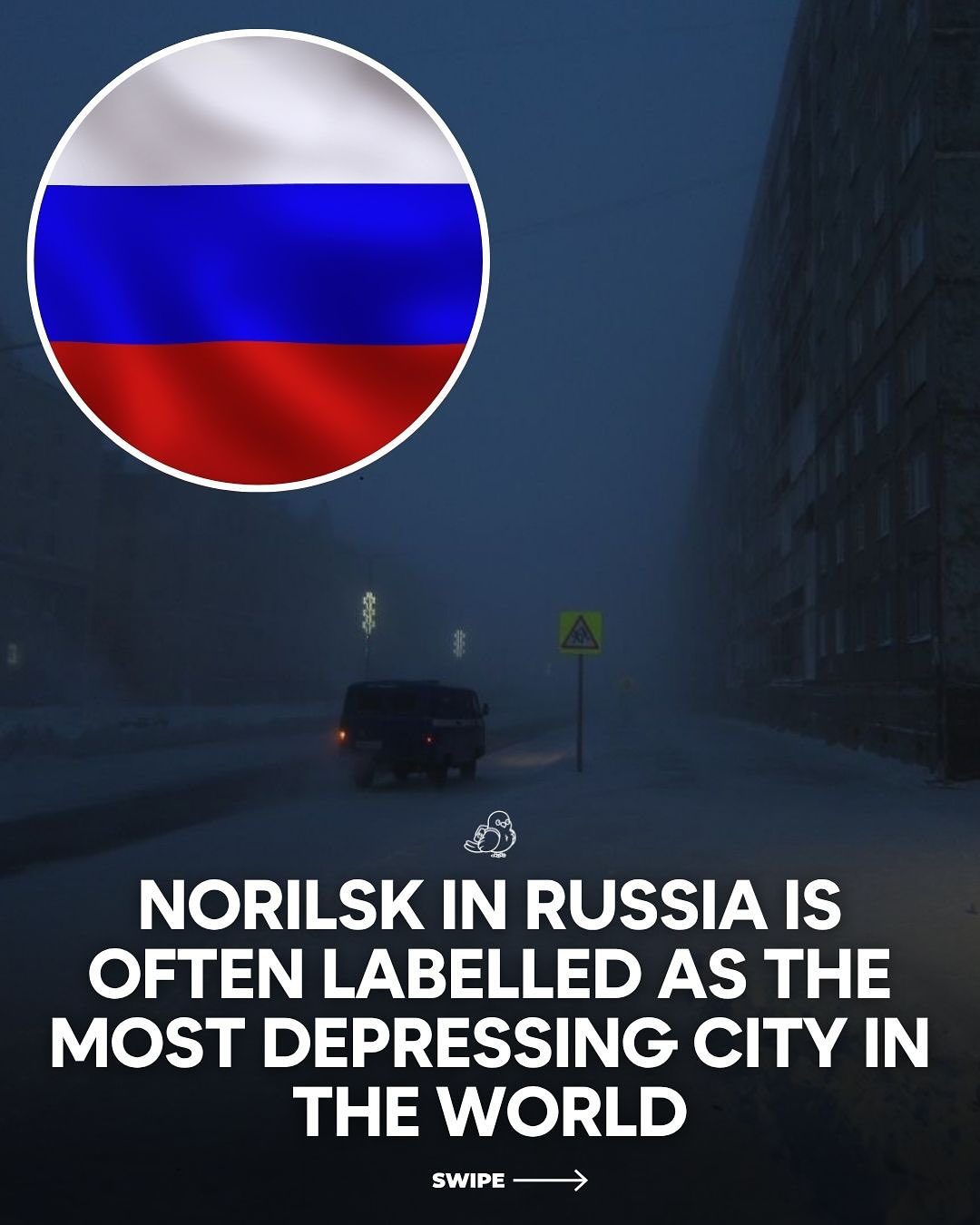
Norilsk, Russia: A City of Contrasts
Norilsk, Russia, often called the most depressing place on Earth, is a city shrouded in a perpetual twilight, its harsh reality shaped by isolation, pollution, and a dark past. Yet, it is not all despair; there are glimmers of hope and renewal.
Why Norilsk Matters
Tucked away in the frozen expanse of Siberia, Norilsk is a stark reminder of how environment, history, and isolation can shape a place. It is a city where the air is thick with pollution from massive nickel and copper smelting plants, turning the sky a dull, endless grey and staining rivers red from toxic runoff. The city's origins add another layer of bleakness: built with Gulag labor, its stark Soviet-era buildings were constructed by prisoners enduring unimaginable Arctic conditions. Norilsk is a place where temperatures can drop below -50°C, and weeks can pass without a single sunrise, plunging the city into a state of continuous darkness.
Environmental and Historical Context
Environmental Impact
Norilsk is one of the most polluted cities in the world. The massive nickel and copper smelting plants release millions of tons of sulfur dioxide annually, devastating vast areas of the surrounding tundra. This pollution does not just affect the environment; it has severe health impacts on the local population. Residents face increased risks of respiratory illnesses, cancers, and other health issues, making daily life even more challenging.
Historical Context
Norilsk's dark history compounds its environmental struggles. The city was built on the backs of Gulag prisoners, forced to endure unimaginable Arctic conditions. The stark Soviet-era buildings stand as a testament to this grim past, serving as a constant reminder of the city's origins. The prison camp and mining legacy have left deep scars on the city's psyche, creating a sense of isolation and despair.
The Climate Challenge
The Arctic climate of Norilsk adds another layer of difficulty. Winter temperatures frequently drop below -50°C, and the polar night can last for weeks, with no sunrise in sight. This harsh climate deepens the isolation and makes daily life even more arduous, further contributing to the city's bleak atmosphere.
A City of Contrasts
Despite its harsh reality, Norilsk is not without hope. The city is set to welcome a new Arctic Museum of Modern Art, a symbol of transformation and a hint of hope in a landscape defined by industry and ice. This new addition signals a shift, offering a chance for cultural renewal and a brighter future.
Isolation and Renewal
The isolation of Norilsk has led to a unique sense of community among its residents. The harsh conditions have fostered a resilience and camaraderie that transcends the city's environmental and historical challenges. The upcoming Arctic Museum of Modern Art is a testament to this spirit, providing a space for local and international artists to share their work and inspire hope for the city's future.
Practical Tips for Visitors
Visiting Norilsk can be daunting, but with the right preparation, it can be a rewarding experience. Here are some practical tips for those considering a trip to this unique destination:
Preparation
Visitors should be prepared for the extreme climate. Pack thermal clothing and ensure that you have appropriate gear for the Arctic conditions. Be aware of the health risks associated with pollution and consider bringing protective gear.
Local Culture
Engage with the local culture. Norilsk has a rich history and vibrant community. Visiting the new Arctic Museum of Modern Art is a must, as it offers a glimpse into the city's transformation and provides a platform for local artists to share their vision.
Environmental Awareness
Be mindful of the environmental impact. Norilsk's pollution levels are among the highest in the world, and visitors should take steps to minimize their environmental footprint. This includes being cautious with waste and respecting the local ecosystem and wildlife.
Important Takeaways
Norilsk, Russia, is a city of contrasts, where environmental challenges and a dark past are juxtaposed with a resilient community and signs of renewal. Its stark beauty and unique history offer a deeper understanding of how environment, history, and isolation can shape a place. Despite its challenges, Norilsk stands as a testament to human resilience and the potential for change, even in the most unlikely of places.
Conclusion
Norilsk is a city of contrasts, where the harsh realities of pollution, isolation, and a dark past are met with resilience, community, and hope. It is a place that, despite its challenges, holds the spark of transformation. The Arctic Museum of Modern Art serves as a beacon of hope, offering a glimpse into the city's vibrant community and potential for a brighter future. Travelers visiting Norilsk can expect a unique experience, one that delves deep into the heart of human resilience and the beauty found in the harshest of conditions.
Watch the Reel
Questions readers ask
Why is Norilsk often called the most depressing city on Earth?
Norilsk's reputation is due to its extreme pollution, isolation, and grim history. The city's air is heavily polluted by industrial smelting plants, and its past as a Gulag labor camp adds to its bleak atmosphere. Additionally, its remote location in the Arctic contributes to its harsh living conditions.
What are the main sources of pollution in Norilsk?
The primary sources of pollution in Norilsk are the massive nickel and copper smelting plants. These plants release harmful pollutants into the air, turning the sky a dull grey and causing toxic runoff into local rivers, turning them red.
How does the history of Norilsk contribute to its current atmosphere?
Norilsk was originally built as a Gulag labor camp, and its early development was marked by prisoner labor enduring Arctic conditions. This dark history has left a lasting impact on the city's atmosphere and infrastructure, with many stark Soviet-era buildings remaining.
What is life like for residents of Norilsk?
Life in Norilsk is challenging due to the extreme pollution, isolation, and harsh Arctic weather. Despite these difficulties, residents have developed a strong sense of community and resilience, finding ways to persevere in the tough environment.
What are some of the unique challenges of living in an Arctic city like Norilsk?
Living in an Arctic city like Norilsk presents challenges such as extreme cold, limited daylight, and isolation. Additionally, the harsh environmental conditions and pollution pose significant health risks to residents.
How has Norilsk's infrastructure adapted to its unique environment?
Norilsk's infrastructure reflects its harsh environment and history. Buildings are typically robust and designed to withstand extreme cold. The city's layout and infrastructure also cater to its unique challenges, such as the need to transport goods and people in remote and isolated conditions.
Are there any efforts to improve living conditions in Norilsk?
While efforts to improve living conditions in Norilsk are ongoing, the city still faces significant challenges. Some initiatives focus on reducing pollution from industrial plants and improving public health. Community efforts also aim to enhance the quality of life by fostering a sense of resilience and support among residents.
Related deep dives
Similar reads based on topic and creator.




Recent articles
Fresh deep dives from the latest Reels we unpacked.




Comments
Be the first to comment.