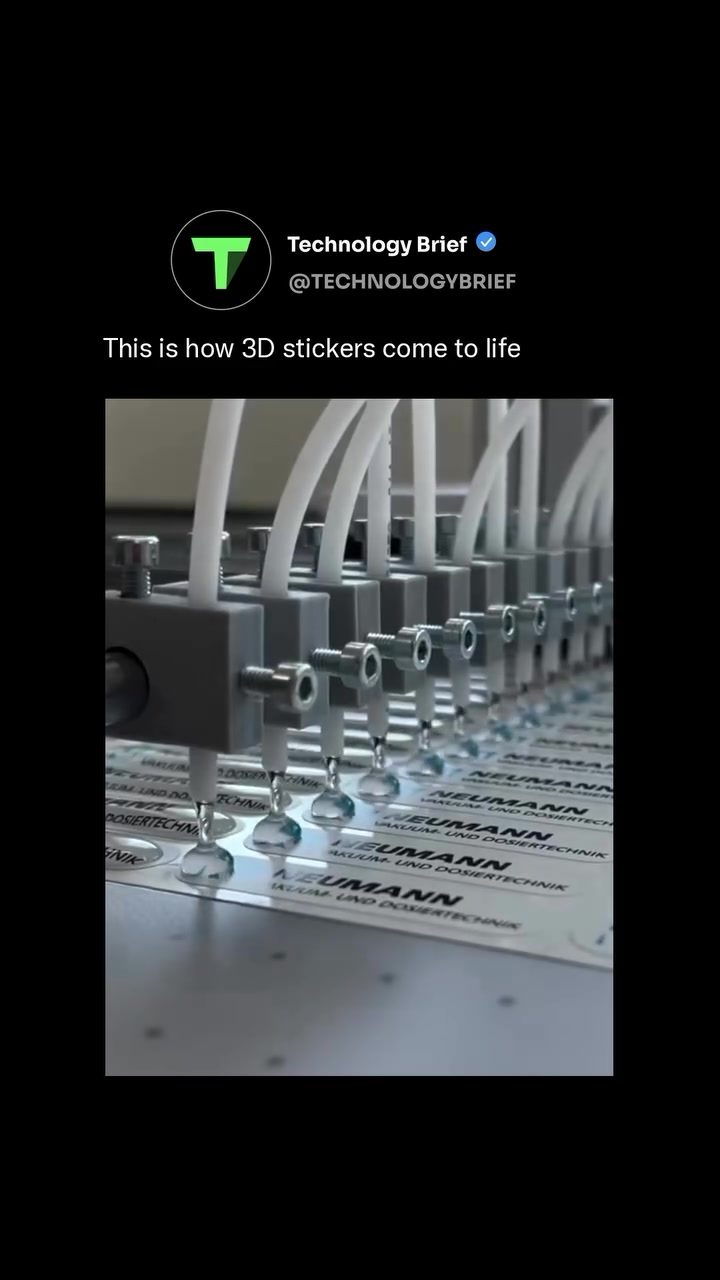
3D Sticker Production: A Closer Look
3D stickers, also known as domed resin labels or bubble badges, are created by applying a precise layer of clear polyurethane resin over a printed design. This process is used in a variety of industries, including automotive, electronics, and industrial sectors, to create durable, eye-catching, and high-end labels that grab attention.
Context: Why This Matters
Domed resin stickers are more than just decorative elements; they serve as protective layers for printed designs, ensuring that logos and branding remain vibrant and intact despite exposure to harsh conditions. This durability is particularly valuable in sectors where equipment and parts are subjected to extreme weather, chemicals, and UV damage. Additionally, the three-dimensional appearance of these stickers adds a premium look to products, enhancing their visual appeal.
The 3D Sticker Production Process
Design and Printing
The production of 3D stickers begins with the design and printing phase. A design, typically a logo or branding element, is printed onto a vinyl or polyester substrate. The choice of material depends on the intended use and durability requirements. For instance, vinyl is often used for its flexibility and resistance to tearing, while polyester is chosen for its strength and stability.
Cutting and Preparation
Next, the printed sheets are cut into the required shapes. This step is crucial for ensuring that the stickers fit perfectly on the final product. The cutting process can be done manually or with automated machinery, depending on the volume and precision needed.
Doming with Polyurethane
The key step in 3D sticker production is the doming process. Specialized doming machines are used to position multiple nozzles that align with each label on the sheet. These nozzles dispense a calculated amount of liquid polyurethane resin, which spreads to the edges and forms a raised, glossy dome. The thickness of the dome typically ranges from 1.5 to 2.5 millimeters, relying on surface tension to maintain its shape without spilling over.
Curing and Finishing
Once the resin is applied, the labels are left to cure for approximately 24 hours. During this period, the resin hardens, creating a durable, scratch-resistant surface. The curing process ensures that the resin fully sets, providing a protective lens that deepens the color, resists UV damage, and withstands harsh weather and chemicals.
Automation in Sticker Production
In high-tech manufacturing environments, automated systems and robotic arms play a significant role in the production of 3D stickers. These machines handle the precise placement and dispensing of resin, ensuring consistency and efficiency in the manufacturing process. For example, robotic arms can handle the delicate task of placing stickers with the Neumann logo, ensuring that each sticker is perfectly positioned and aligned. This level of automation not only increases production speed but also reduces the risk of errors and inconsistencies.
Practical Tips for Choosing and Applying 3D Stickers
Choose the Right Material
When selecting materials for 3D stickers, consider the intended use and environment. For outdoor applications, opt for materials that are resistant to UV damage and weathering. Vinyl and polyester are popular choices due to their durability and versatility. For indoor applications, you may have more flexibility in material choice, focusing on aesthetics and cost-effectiveness.
Select the Appropriate Thickness
The thickness of the resin dome can significantly impact the final appearance and durability of the sticker. A thicker dome may provide more protection but can also alter the visual appeal. Conversely, a thinner dome may be more aesthetically pleasing but may not offer the same level of durability. Choose a thickness that balances these factors based on your specific needs.
Ensure Proper Curing
The curing process is crucial for the longevity and appearance of 3D stickers. Allow the labels sufficient time to cure fully, following the manufacturer's recommendations. Proper curing ensures that the resin hardens correctly, providing the necessary protection and durability.
Consider Customization Options
Many manufacturers offer customization options for 3D stickers, allowing you to tailor the design, color, and finish to match your branding. Custom shapes, sizes, and special finishes can enhance the visual appeal and make your stickers stand out.
Important Takeaways
Durability and Protection
The clear polyurethane resin used in 3D stickers offers exceptional durability and protection. It acts as a protective lens, deepening the color and resisting UV damage, harsh weather, and chemicals. This makes 3D stickers an ideal choice for applications where durability is a priority.
Enhanced Visual Appeal
The three-dimensional effect of domed resin labels adds a premium, high-end look to products. This visual appeal can significantly enhance the overall appearance of machinery, electronics, automotive parts, and promotional items, making them stand out in any setting.
Versatility in Application
3D stickers are versatile and can be applied to a wide range of surfaces and materials. They are commonly used in automotive, electronics, and industrial sectors, but their applications extend far beyond these fields. From promotional items to machinery, the possibilities are endless.
Conclusion
3D stickers, or domed resin labels, are a powerful tool for branding and protection. Through a precise process involving printing, cutting, doming, and curing, these stickers offer a unique combination of durability, visual appeal, and versatility. Whether you are in the automotive, electronics, or industrial sector, incorporating 3D stickers into your product line can significantly enhance their appearance and longevity. By choosing the right materials, ensuring proper curing, and considering customization options, you can create high-quality, eye-catching 3D stickers that make a lasting impression.
Watch the Reel
Questions readers ask
What is the main advantage of using 3D stickers in harsh environments?
3D stickers, or resin domed stickers, provide robust protection for printed designs. They guard against damage from extreme weather, chemicals, and UV exposure, making them ideal for industries like automotive and electronics.
Who is Neumann in relation to the 3D sticker industry?
Neumann is a company known for its specialized doming process in 3D sticker manufacturing. The Neumann doming process is used to create raised, clear polyurethane resin stickers with a high level of detail and durability.
How does the 3D sticker manufacturing process enhance product appearance?
The 3D sticker manufacturing process enhances product appearance by applying a clear polyurethane resin over the printed design. This creates a glossy, raised effect that makes the labels eye-catching and visually appealing.
What kinds of industries benefit from 3D sticker technology?
3D sticker technology is particularly beneficial for industries that require durable and high-quality labeling, such as automotive, electronics, and industrial sectors. These stickers provide both protection and visual appeal to products and equipment.
What is the purpose of the clear resin in the Neumann doming process?
In the Neumann doming process, the clear resin serves a dual purpose. It protects the printed design from environmental damage and enhances the visual appeal of the 3D label by creating a glossy, three-dimensional finish.
How does the 3D sticker design process ensure durability?
The 3D sticker design process ensures durability by using a clear polyurethane resin that forms a protective layer over the design. This layer guards against scratches, chemicals, and other forms of damage, ensuring the longevity of the label.
What are the steps involved in the 3D sticker production process?
The 3D sticker production process involves several key steps, including design creation, printing of the design, and the application of a clear polyurethane resin over the design, which is then cured to create a raised, glossy finish, enhancing both durability and appearance.
Related deep dives
Similar reads based on topic and creator.

Recent articles
Fresh deep dives from the latest Reels we unpacked.




Comments
Be the first to comment.