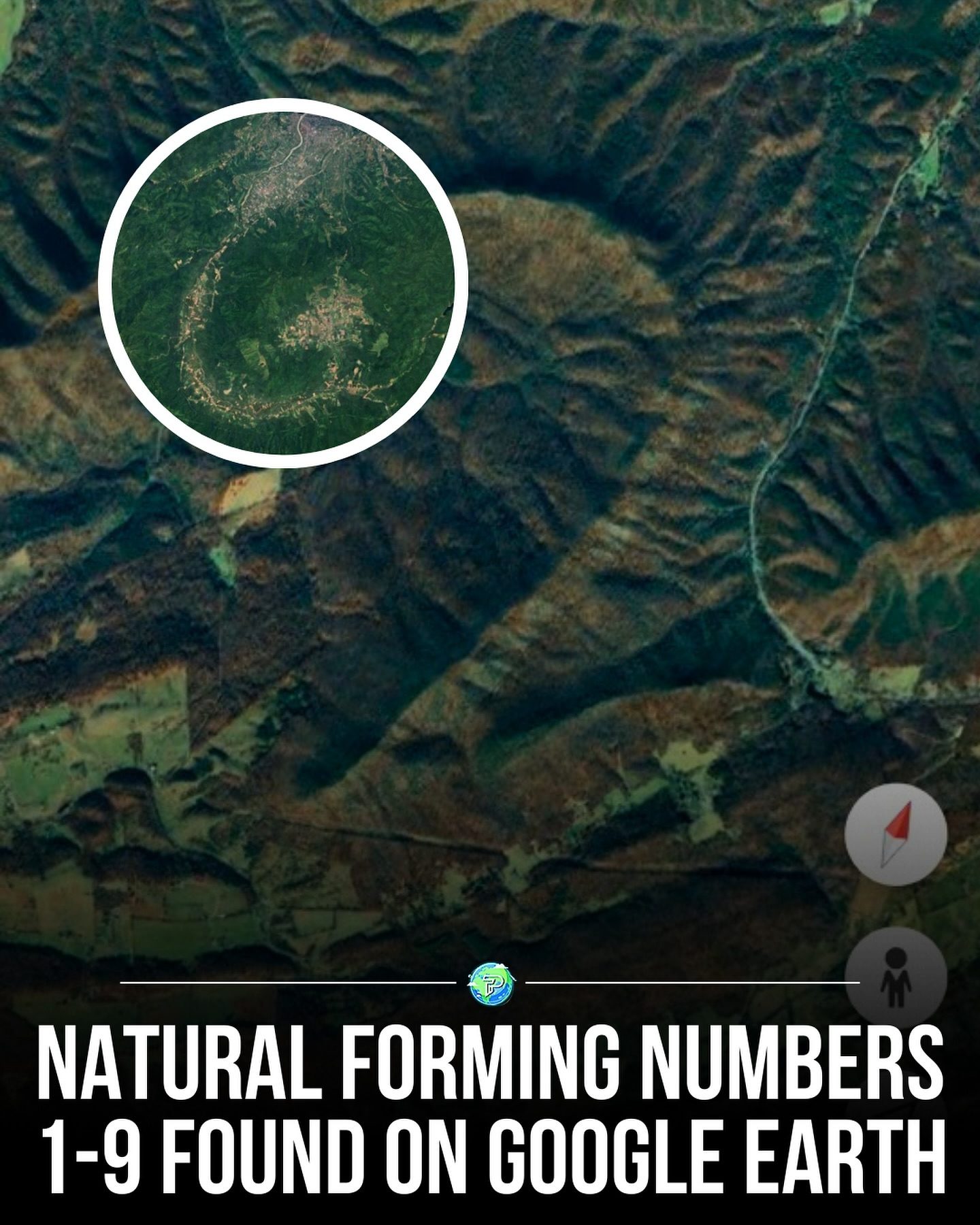
Natural Forming Numbers on Google Earth
Natural forming numbers are a fascinating phenomenon where landscapes and geological features appear to resemble digits. Found using Google Earth, these formations offer a unique perspective on Earth's natural patterns. These aerial patterns are often overlooked, making their discovery intriguing and thought-provoking. These natural formations have been highlighted by geologists and nature enthusiasts, showcasing the beauty and complexity of our planet's geography.
Why This Matters
These natural formations are more than just a curiosity—they highlight the intricate and often overlooked beauty of our planet's geography. By using Google Earth, we can explore these patterns from a unique aerial perspective, offering a new way to appreciate the natural world. These formations also serve as a reminder of the interconnectedness of nature and the unexpected patterns that can emerge from natural processes.
Exploring Natural Forming Numbers
The Science Behind the Numbers
The natural forming numbers are a result of various geological processes, including erosion, tectonic activity, and sediment deposition. These processes shape the earth's surface over millions of years, creating patterns that can resemble numbers. The natural forming numbers are a testament to the power of these processes and the incredible complexity of our planet's geology.
Identifying the Numbers
These numbers are identified by their unique shapes and patterns. Each number, from 1 to 9, has its distinct characteristics that make it stand out. For example, the number 1 is often characterized by long, linear formations, while the number 8 can be identified by its looping and circular patterns. These features are often highlighted by the contrast between different geological layers and the surrounding landscape.
Using Google Earth to Find Natural Forming Numbers
Google Earth is an invaluable tool for exploring these natural formations. The satellite imagery and aerial views allow us to see the earth's surface in a way that is not possible from the ground. By zooming in and out, we can identify patterns and formations that might otherwise go unnoticed. This makes Google Earth an essential tool for anyone interested in exploring the natural world.
Practical Tips for Finding Natural Forming Numbers
Getting Started with Google Earth
To get started with finding natural forming numbers on Google Earth, you'll need to download the software and familiarize yourself with its features. The first step is to navigate to the map area you are interested in. Once there, you can use the zoom and pan tools to explore the landscape in detail.
Using Filters and Tools
Google Earth offers a range of tools and filters that can help you identify natural forming numbers. For example, you can use the "3D" feature to get a more detailed view of the landscape, or the "satellite" view for a clearer image of the surface. Additionally, the "measurement" tool can be used to determine the dimensions of the formations and compare them to known patterns.
Sharing Your Discoveries
Once you've identified a natural forming number, you can share your discovery with others by taking screenshots or exporting the image from Google Earth. This can be a great way to engage with the community and share your findings with fellow enthusiasts.
Important Takeaways
Exploring natural forming numbers on Google Earth offers a unique way to appreciate the beauty and complexity of our planet's geography. By using Google Earth, we can identify and study these formations from a new perspective, gaining a deeper understanding of the natural world. Additionally, these formations serve as a reminder of the interconnectedness of nature and the unexpected patterns that can emerge from natural processes.
Conclusion
Natural forming numbers are a fascinating and often overlooked aspect of our planet's geography. By using Google Earth, we can explore these formations from a unique aerial perspective, gaining a new appreciation for the natural world. Whether you're a geologist, nature enthusiast, or just curious about the world around you, exploring natural forming numbers is a rewarding and enriching experience. So why not give it a try and see what discoveries you can make?
Watch the Reel
Questions readers ask
What are natural-forming numbers and how are they discovered?
Natural-forming numbers are geological patterns that resemble digits, found using Google Earth. These patterns are discovered by observing aerial views of landscapes shaped by natural processes such as erosion, tectonic activity, and sediment deposition. Users can explore these formations by navigating Google Earth and spotting these unique shapes from above.
Why are natural-forming numbers considered intriguing?
Natural-forming numbers are intriguing because they offer a fresh and unexpected perspective on Earth's natural beauty. These patterns are often overlooked in everyday life, making their discovery via aerial imagery thought-provoking and visually stunning. Many people find it fascinating to see these familiar numerical shapes emerge from the natural landscape.
What geographical processes contribute to the formation of these natural numbers?
The formation of these natural numbers is primarily driven by geological processes such as erosion, tectonic activity, and sediment deposition. Over time, these processes sculpt the landscape, creating unique patterns and shapes that can resemble digits. Erosion, for example, can wear down the land to form recognizable shapes, while tectonic activity can alter the terrain in dramatic ways.
Can anyone find these natural numbers on Google Earth, and how can I start?
Yes, anyone can find these natural numbers on Google Earth. To start, open Google Earth and navigate to different regions of the world. Look for areas with diverse topography and geological features. Zoom in and out, and explore from various angles to spot patterns that resemble digits. It can be helpful to start with known locations where these formations have been previously identified.
What are some notable examples of natural-forming numbers found using Google Earth?
There are several notable examples of natural-forming numbers found using Google Earth. For instance, a series of numbers resembling '8' and '9' have been spotted in the deserts of Africa, created by erosion patterns that resemble rings and curves. In Australia, large 'V' and 'U' formations have been observed in the landscapes of the outback, formed by sedimentary processes and erosion. Each of these examples showcases the unique interplay between geological processes and aerial imagery.
How do geologists and nature enthusiasts contribute to the identification of these natural numbers?
Geologists and nature enthusiasts contribute to the identification of these natural numbers by sharing their findings and observations. They use their knowledge of geological processes to explain how these formations occur and highlight the significance of these patterns. They also share their discoveries with the wider community, encouraging others to explore and appreciate the hidden beauty of our planet's geography.
Related deep dives
Similar reads based on topic and creator.


Recent articles
Fresh deep dives from the latest Reels we unpacked.




Comments
Be the first to comment.