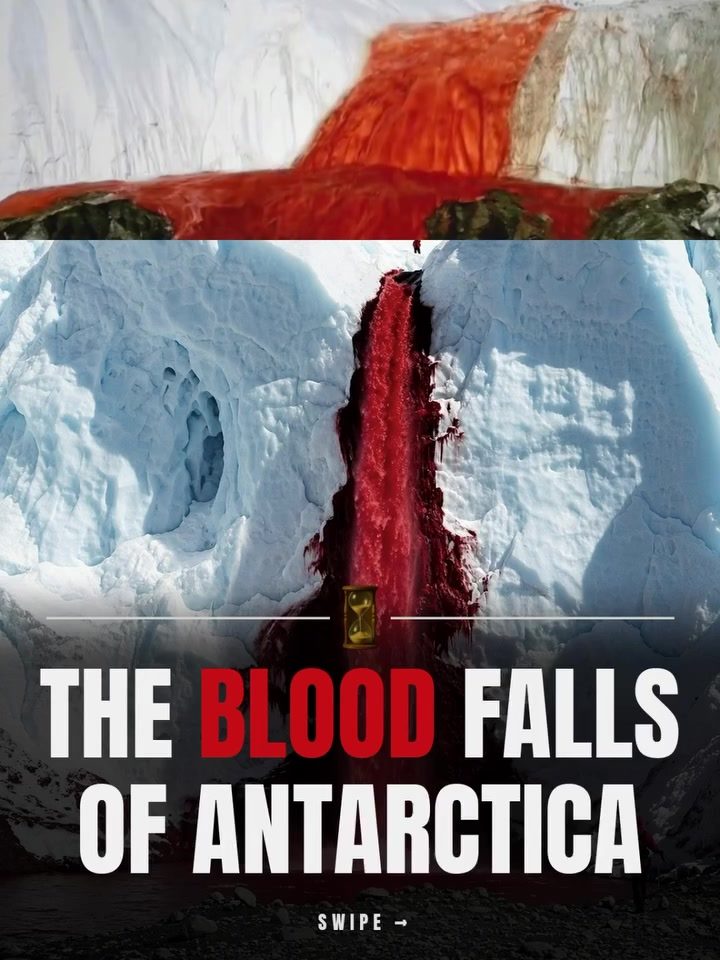
Blood Falls of Antarctica
The Blood Falls of Antarctica are a unique and captivating natural phenomenon that has intrigued scientists and enthusiasts alike. This striking geological feature is characterized by a vibrant red stream of water that flows from the Taylor Glacier in the McMurdo Dry Valleys of Antarctica. The stark contrast between the red water and the surrounding white ice creates a mesmerizing sight that has become a subject of fascination for many.
Why This Matters
The Blood Falls are more than just a visually stunning landscape; they offer valuable insights into the unique ecosystems and geological processes that occur beneath the Antarctic ice. The distinctive red color of the water is a result of iron-rich saltwater trapped beneath the glacier, which oxidizes upon contact with air, creating the striking hue. This phenomenon provides a glimpse into a subglacial lake ecosystem that has been isolated for millions of years, offering a rare opportunity to study an ancient and pristine environment.
A Unique Geological Wonder
The Origin of the Red Color
The red color of the Blood Falls is a result of a fascinating chemical process. Iron-rich saltwater has been trapped beneath the Taylor Glacier for millions of years. When this water is released from the glacier, it comes into contact with air, causing the iron to oxidize. This oxidation process turns the water a bright red, creating the stunning visual effect that has captured the attention of many.
The Subglacial Lake Ecosystem
The Blood Falls are not just a geological marvel; they are also a window into a unique ecosystem. The iron-rich saltwater that feeds the falls originates from a subglacial lake that has been isolated beneath the ice for millions of years. This lake is home to a variety of microorganisms that have adapted to the extreme conditions, making it a valuable site for scientific research.
The Taylor Glacier
Location and Significance
The Blood Falls are located on the Taylor Glacier in the McMurdo Dry Valleys of Antarctica. This region is known for its dry, cold climate and the absence of significant snowfall, making it an ideal environment for studying the effects of extreme conditions on geological and biological processes.
The Role of the Glacier
The Taylor Glacier plays a crucial role in the formation of the Blood Falls. The iron-rich saltwater that flows from the falls is trapped beneath the glacier, which acts as a natural barrier, preventing the water from being released for millions of years. When the water finally emerges, it comes into contact with air, causing the oxidation process that gives the falls their distinctive red color.
Practical Tips for Visiting the Blood Falls
Best Time to Visit
Visiting the Blood Falls is a unique experience that requires careful planning. The best time to visit is during the Antarctic summer, which typically runs from November to February. During this period, the weather is relatively mild, and the days are longer, providing better visibility and more time to explore the area.
Essential Gear
Visiting the Blood Falls requires proper gear to withstand the harsh Antarctic climate. Essential items include warm clothing, sturdy boots, and protective eyewear. Additionally, it's important to have a guide or join a tour group, as navigating the terrain and accessing the falls can be challenging.
Important Takeaways
Understanding the Blood Falls of Antarctica provides valuable insights into the unique geological and biological processes that occur in this remote and inhospitable environment. The red color of the falls is a result of the oxidation of iron-rich saltwater, while the falls themselves offer a rare glimpse into a subglacial lake ecosystem that has been isolated for millions of years.
Conclusion
Exploring the Blood Falls of Antarctica is a fascinating journey into a world of unique geological and biological wonders. From the vibrant red water to the ancient ecosystem beneath the ice, the Blood Falls offer a rare opportunity to study an isolated and pristine environment. Whether you're a scientist, a nature enthusiast, or simply someone who appreciates the beauty of the natural world, a visit to the Blood Falls is an experience that will leave a lasting impression.
Watch the Reel
Questions readers ask
What causes the distinctive red color of the Blood Falls in Antarctica?
The red color is due to the oxidation of iron-rich saltwater. This saltwater originates from a subglacial lake beneath the Taylor Glacier and turns red when it comes into contact with air, creating the vivid spectacle.
Where exactly are the Blood Falls located?
The Blood Falls are situated in the McMurdo Dry Valleys of Antarctica, specifically at the front of the Taylor Glacier. This remote location adds to the mystique and allure of this natural phenomenon.
How was the subglacial lake beneath the Taylor Glacier discovered?
The subglacial lake was first discovered in the 1970s. Scientists have since studied the unique environment, revealing that the lake has been isolated for potentially millions of years.
Can visitors see the Blood Falls up close?
Visiting the Blood Falls is challenging due to their remote location and Antarctica's harsh environment. However, some guided tours during the Antarctic summer may offer a chance to see this natural wonder up close. Otherwise, many enthusiasts enjoy the Blood Falls visually through photographs and videos.
What kind of life forms, if any, can be found in the ecosystem around Blood Falls?
The ecosystem around the Blood Falls is unique and isolated. Microorganisms have been identified in the subglacial lake and in the water of the Blood Falls, thriving in this extreme environment. These organisms provide insights into how life can adapt to harsh conditions.
What are the processes that cause the Blood Falls to intermittently flow?
The flow of the Blood Falls is not constant and is influenced by seasonal changes in temperature and pressure. In the summer, meltwater can periodically break through the ice barrier, leading to the release of the reddish water into the surrounding landscape.
Related deep dives
Similar reads based on topic and creator.




Recent articles
Fresh deep dives from the latest Reels we unpacked.
Comments
Be the first to comment.