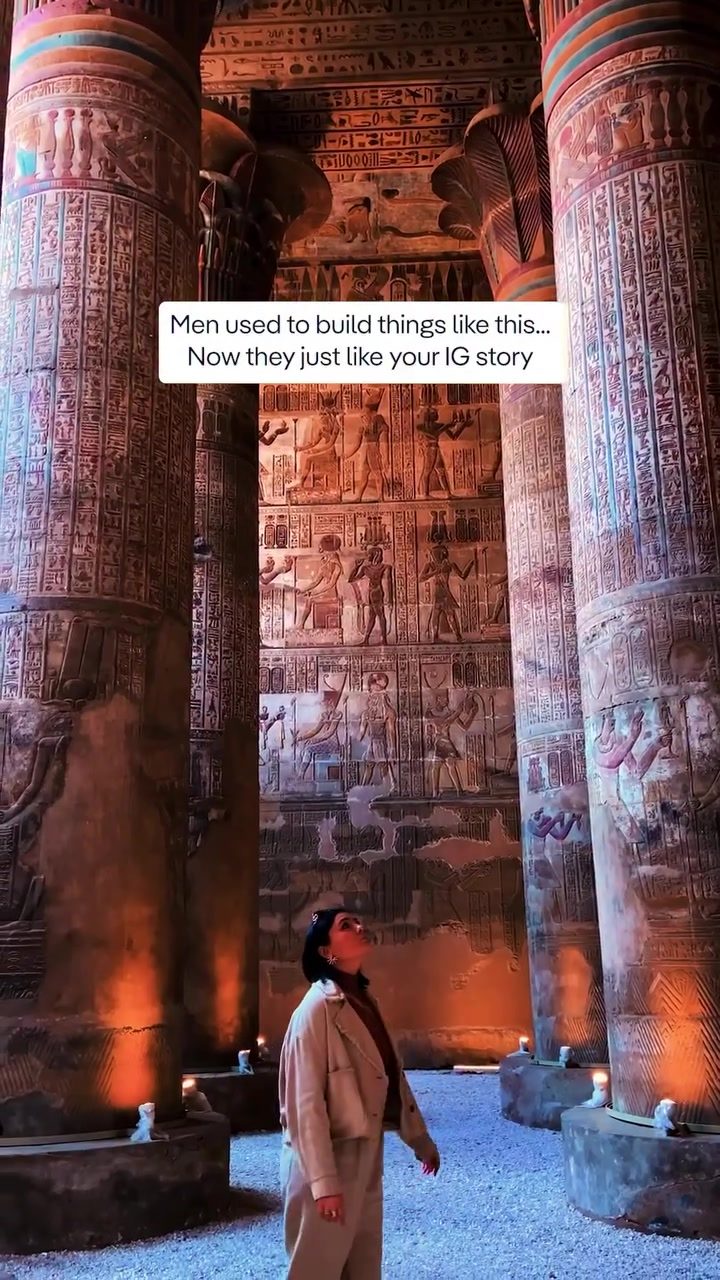
Ancient Egyptian Architecture: The Temple of Esna
The Temple of Esna in Egypt serves as one of the most beautifully preserved ancient sites, showcasing the remarkable craftsmanship of ancient Egyptian builders. This temple is renowned for its towering sandstone columns and intricate ceiling carvings, which were hidden for centuries beneath layers of soot and sand.
Why This Matters
The enduring beauty and complexity of the Temple of Esna offer a unique glimpse into the architectural marvels of ancient Egypt. Its well-preserved state provides valuable insights into the engineering and artistic prowess of the ancient Egyptians. The temple is dedicated to the ram-headed god Khnum and dates back to the Ptolemaic and Roman periods, with hieroglyphs that remain strikingly clear thousands of years later. This historical site offers a tangible connection to the past, allowing visitors to appreciate the grandeur and skill of ancient builders.
The Temple of Esna: Architectural Wonders
Historical Context
The Temple of Esna is an architectural testament to the ingenuity and creativity of ancient Egyptians. Dedicated to the god Khnum, the temple was constructed during the Ptolemaic and Roman periods. This means it has withstood the test of time, offering a unique opportunity to study the architectural techniques and artistic expressions of an era long past. The sandstone columns and detailed ceiling carvings are not just aesthetically pleasing but also serve as historical records, capturing the stories and beliefs of the ancient Egyptians.
Architectural Highlights
The temple's most striking features are its towering sandstone columns and intricate ceiling carvings. These architectural elements showcase the mastery of ancient Egyptian builders, who used limestone and granite to create structures that have stood the test of time. The hieroglyphs, which adorn the walls and columns, remain strikingly clear, providing valuable insights into the religious and cultural practices of the ancient Egyptians. These carvings were hidden for centuries beneath layers of soot and sand, only recently uncovered to reveal their beauty and detail.
Detailed Carvings and Hieroglyphics
The detailed carvings and hieroglyphics within the Temple of Esna are a testament to the artistry of ancient Egyptian craftsmen. These intricate designs cover the columns and walls, telling stories and depicting the daily life of the ancient Egyptians. The hieroglyphs, in particular, offer a rich source of information about the religious and cultural practices of the time. Each symbol and carving has a specific meaning, making the temple a treasure trove of historical and cultural information. The hieroglyphs are so well-preserved that they remain clear thousands of years later, allowing modern visitors to appreciate the skill and craftsmanship of the ancient builders.
The Contrast with Modern Life
The visuals of the temple in contrast with the text overlays serve as a poignant reminder of the fleeting nature of modern life compared to the enduring legacy of ancient structures. The grandeur of the temple's architecture, with its towering columns and intricate carvings, stands in stark contrast to the ephemeral content of social media stories. The juxtaposition highlights the enduring legacy of ancient construction, which has withstood the test of time, versus the fleeting nature of contemporary digital content. The temple's enduring beauty and complexity serve as a reminder of the lasting impact of human achievement, even as societal norms and technologies evolve.
Practical Tips for Visiting the Temple of Esna
For those planning a visit to the Temple of Esna, here are some practical tips to enhance your experience:
Best Time to Visit
The best time to visit the Temple of Esna is during the cooler months of the year, typically from October to April. The weather is more comfortable, making it easier to explore the site without the intense heat and humidity of the summer months.
Guided Tours
Consider taking a guided tour to gain a deeper understanding of the temple's history and architecture. Knowledgeable guides can provide valuable insights into the significance of the hieroglyphs, the construction techniques used, and the cultural practices of the ancient Egyptians.
What to Bring
Be sure to bring comfortable walking shoes, a hat, sunscreen, and plenty of water. The temple grounds can be expansive, and staying hydrated and protected from the sun is essential for a comfortable visit.
Important Takeaways
The Temple of Esna stands as a testament to the architectural and artistic skill of ancient Egyptian builders. Its well-preserved sandstone columns and intricate ceiling carvings provide valuable insights into the religious and cultural practices of the ancient Egyptians. The hieroglyphs, which remain strikingly clear, offer a rich source of historical information. The lasting impact of the temple's architecture serves as a reminder of the enduring legacy of human achievement, even as societal norms and technologies evolve.
Conclusion
Exploring the Temple of Esna is an experience that transcends time, offering a glimpse into the wonders of ancient Egyptian architecture. The towering sandstone columns, intricate carvings, and clear hieroglyphs are a testament to the skill and craftsmanship of ancient builders. The temple's enduring beauty and complexity provide valuable insights into the cultural and religious practices of the ancient Egyptians. Whether you're a history enthusiast or an architecture aficionado, a visit to the Temple of Esna is an unforgettable journey through time.
Watch the Reel
Questions readers ask
Where is the Temple of Esna located and why is it significant?
The Temple of Esna is situated in Esna, Egypt, on the Nile River. Its significance lies in its exceptional preservation, which provides insights into the architectural and artistic achievements of the Ptolemaic and Roman periods. It is one of the best-preserved temples in Egypt, showcasing the skills of ancient Egyptian builders.
What makes the architecture of the Temple of Esna unique?
The Temple of Esna is renowned for its towering sandstone columns and intricate ceiling carvings. These features highlight the remarkable craftsmanship and engineering prowess of the ancient builders, making it a standout example of ancient Egyptian architecture.
Who was the Temple of Esna dedicated to and what is known about this deity?
The Temple of Esna is dedicated to the ancient Egyptian god Khnum, often depicted with a ram's head. Khnum was associated with the creation of humans and the annual flooding of the Nile, reflecting the importance of the river to ancient Egyptian culture and life.
What historical periods are represented in the Temple of Esna?
The Temple of Esna predominantly represents the Ptolemaic and Roman periods. Constructed during these times, the temple features hieroglyphs and architectural styles that offer a unique blend of these historical eras, providing a rich tapestry of ancient Egyptian history.
What can visitors expect to see in the Temple of Esna?
Visitors to the Temple of Esna can expect to see beautifully preserved sandstone columns, intricate ceiling carvings, and clear hieroglyphs. The temple's well-maintained state allows visitors to appreciate the grandeur and skill of ancient builders, making it a must-visit site for anyone interested in ancient Egyptian wonders.
Why is the Temple of Esna a must-visit for tourists?
The Temple of Esna is a must-visit for tourists due to its stunning architecture and historical significance. Its well-preserved state offers a unique opportunity to explore one of the best-preserved temples in Egypt, making it a highlight for those interested in ancient Egyptian sites and architecture.
What are the best times to visit the Temple of Esna?
The best times to visit the Temple of Esna are during the cooler months of October to April. These months offer pleasant weather for exploring the temple, and it's advisable to visit early in the morning or late in the afternoon to avoid the hottest part of the day, ensuring a more comfortable experience.
Related deep dives
Similar reads based on topic and creator.




Recent articles
Fresh deep dives from the latest Reels we unpacked.




Comments
Be the first to comment.