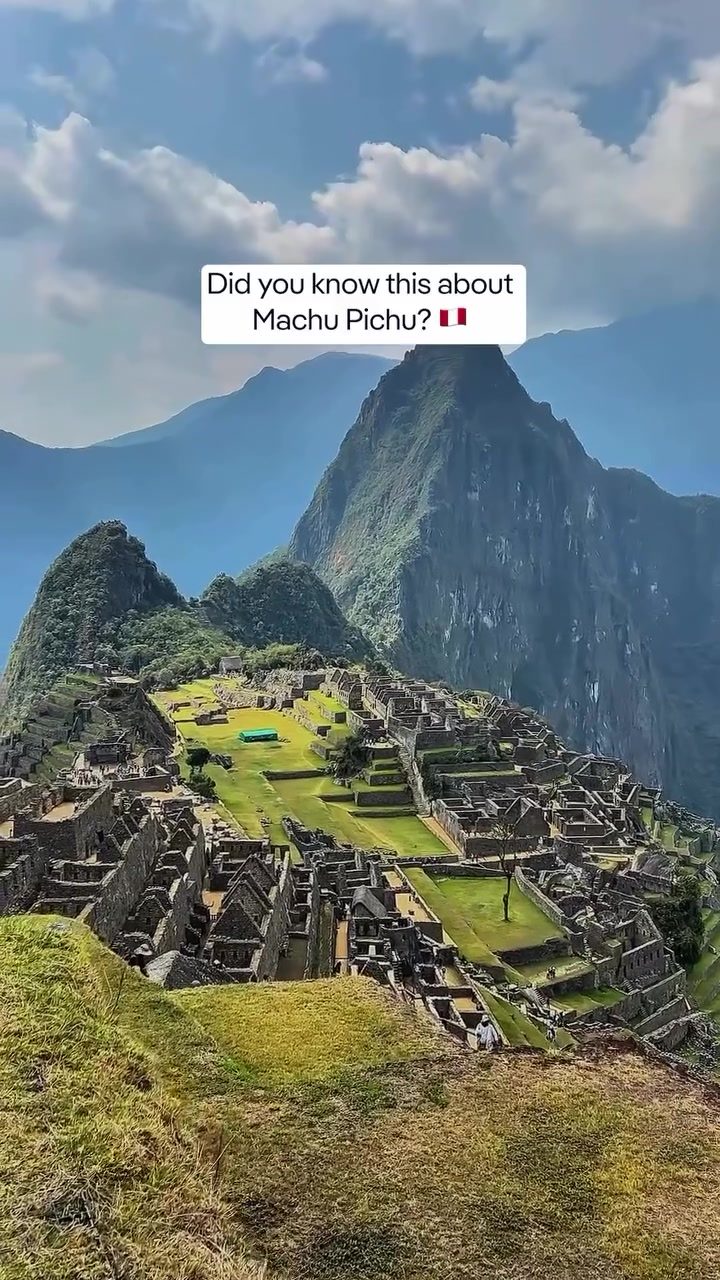
Machu Picchu
Nestled high in the Andes Mountains, Machu Picchu is one of the world's most iconic archaeological sites. This ancient Inca city, often referred to as the "Lost City of the Incas," is a must-visit destination for travelers seeking a blend of history, mystery, and breathtaking views.
Why this matters
Machu Picchu's significance lies not just in its architectural marvels but also in its cultural and historical importance. Built around the 1400s by the Inca Empire, this site offers a glimpse into the remarkable engineering and organizational skills of the Incas. Its design and construction, perched atop a mountain ridge, continue to astound visitors and researchers alike.
The Journey to Machu Picchu
Hiking the Inca Trail
For many, the journey to Machu Picchu is as memorable as the destination itself. One of the most popular ways to reach the site is by hiking the Inca Trail, a four-day trek that covers approximately 26 miles. This trail takes you through diverse landscapes, including cloud forests and alpine tundra, and culminates in a dramatic entrance to Machu Picchu through the Sun Gate. The hike is demanding, but the rewards are well worth the effort.
Taking the Train from Cusco
If hiking is not your preference, you can opt for a more comfortable journey by taking the train from Cusco, the nearest major city. The train ride offers stunning views of the Andes and provides a convenient alternative for those who prefer a less strenuous route. From the train station in Aguas Calientes, you can take a short bus ride up to the entrance of Machu Picchu.
The History and Significance
Construction and Design
Machu Picchu was constructed over 500 years ago, around the 1400s, by the Inca Empire. The site is renowned for its intricate stonework, terracing, and strategic placement, which has withstood the test of time. The city's design incorporates advanced agricultural techniques, including terraced fields that prevent soil erosion and optimize water usage.
UNESCO World Heritage Site
Recognizing its cultural and historical importance, UNESCO designated Machu Picchu as a World Heritage Site in 1983. This status underscores the site's global significance and the need for its preservation. Additionally, Machu Picchu is one of the New Seven Wonders of the World, a testament to its enduring appeal and allure.
Planning Your Visit
Best Time to Go
When planning your visit, consider the weather and crowd levels. The dry season, from April to October, offers the best conditions for exploration, with clear skies and minimal rainfall. However, this period also sees the highest number of tourists, so plan accordingly.
Booking Entry
Entry to Machu Picchu requires advance booking, especially during peak seasons. It's advisable to secure your tickets well in advance to avoid disappointment. Additionally, consider booking guided tours or hiring a local guide to enhance your understanding and appreciation of the site.
Sunrise Experience
One of the most unforgettable experiences at Machu Picchu is witnessing the sunrise. The early morning light casts a magical glow over the ancient stone terraces, creating a surreal and awe-inspiring atmosphere. The effort of a 4 a.m. wake-up is well worth it for this breathtaking experience.
Exploring the Site
Key Areas to Visit
Machu Picchu is vast and offers numerous areas to explore. Key spots include the Temple of the Sun, the Intihuatana Stone, and the Room of the Three Windows. Each of these locations provides unique insights into the Inca way of life and their connection to the natural world.
Hiking Huayna Picchu and Machu Picchu Mountain
For adventurous visitors, hiking Huayna Picchu or Machu Picchu Mountain offers panoramic views of the site and its surroundings. Huayna Picchu, the iconic peak seen in many photographs, provides a steep but rewarding climb. Machu Picchu Mountain, while less challenging, offers equally stunning vistas.
Practical Tips
Packing Essentials
Packing the right gear is crucial for a comfortable and enjoyable visit. Essential items include sturdy hiking shoes, a hat, sunscreen, a reusable water bottle, and layers of clothing to accommodate changing temperatures. Don't forget your camera or smartphone to capture the stunning views.
Acclimatization
Given Machu Picchu's high altitude, it's essential to acclimatize properly. Spend a few days in Cusco before your visit to allow your body to adjust to the altitude. This will help prevent altitude sickness and ensure a more enjoyable experience.
Respecting the Site
As a UNESCO World Heritage Site, it's important to respect Machu Picchu and its surroundings. Follow all guidelines, stay on designated paths, and avoid touching or damaging any of the ancient structures. Preservation efforts are ongoing, and your respectful behavior contributes to the site's longevity.
Important Takeaways
Machu Picchu is a destination that offers a unique blend of history, culture, and natural beauty. Whether you choose to hike the Inca Trail or take the train, the journey to Machu Picchu is an adventure in itself. The site's historical significance, architectural marvels, and breathtaking views make it a must-visit destination for travelers from around the world.
Conclusion
Machu Picchu continues to captivate visitors with its enduring mystery and allure. From its ancient stone terraces to its strategic location, every aspect of this site tells a story of a civilization that thrived in harmony with nature. By planning your visit carefully and respecting the site, you can immerse yourself in the magic of Machu Picchu and create memories that will last a lifetime.
Watch the Reel
Questions readers ask
When was Machu Picchu constructed and by whom?
Machu Picchu was constructed around the 1400s by the Inca Empire. The exact purpose of the site remains debated, but it is believed to have been a royal estate or sacred retreat for Inca leaders.
What makes Machu Picchu a UNESCO World Heritage Site?
Machu Picchu is a UNESCO World Heritage Site due to its outstanding cultural and historical significance. Its unique architecture, engineering feats, and well-preserved ancient Inca City infrastructure make it a globally recognized landmark.
How can visitors reach Machu Picchu?
Visitors can reach Machu Picchu by train from Cusco or Ollantaytambo, or by hiking the famous Inca Trail, which takes approximately 4 days. Another option is to visit independently by bus from the town of Aguas Calientes.
What are some notable architectural features of Machu Picchu?
Machu Picchu's architecture is renowned for its precision and harmony with the natural surroundings. Notable features include the Intihuatana stone, the Temple of the Sun, and the agricultural terraces that showcase the Inca's advanced engineering and agricultural techniques.
What is the significance of Machu Picchu's location?
Machu Picchu's location high in the Andes Mountains, at an altitude of about 2,430 meters, is significant for both its strategic defense and its spiritual connection to the Inca culture. The site's remote and dramatic setting adds to its allure and mystery.
What can visitors expect from the views at Machu Picchu?
Visitors to Machu Picchu can expect breathtaking views of the surrounding Andes Mountains, lush valleys, and the Urubamba River. The panoramic vistas enhance the overall experience, offering a blend of natural beauty and historical intrigue.
Why is Machu Picchu often referred to as the 'Lost City of the Incas'?
Machu Picchu is often called the 'Lost City of the Incas' because it remained hidden from the outside world for centuries. After the fall of the Inca Empire, the city was abandoned and largely forgotten until its rediscovery by American historian Hiram Bingham in 1911.
Related deep dives
Similar reads based on topic and creator.




Recent articles
Fresh deep dives from the latest Reels we unpacked.




Comments
Be the first to comment.