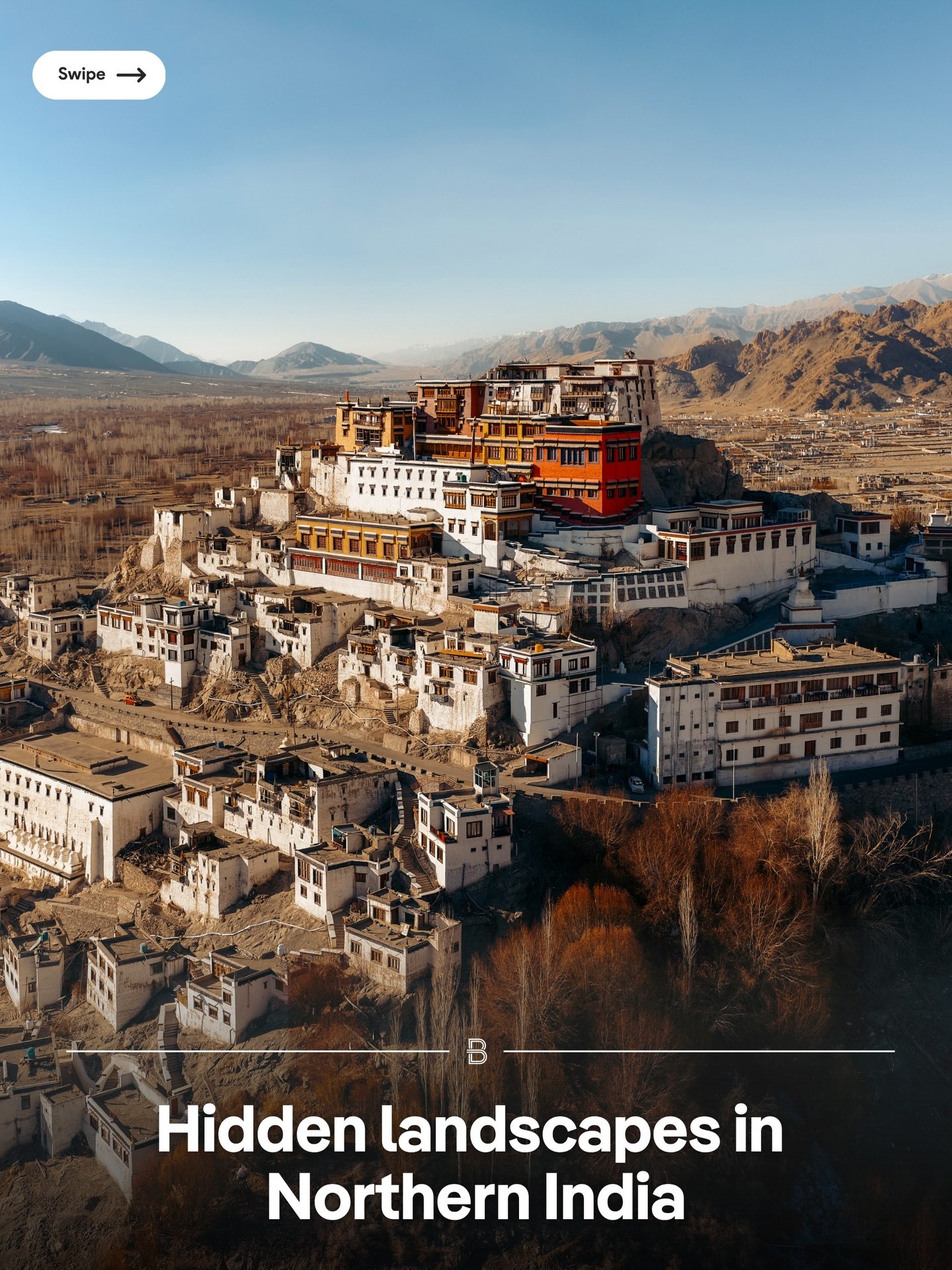
Northern India's Landscapes: A Journey Through the Himalayas
Ladakh, nestled high in the Himalayas, is a region that captivates with its high altitude desert landscape. The terrain is a stark contrast to the typical lush green landscapes associated with mountains; rather, it stretches for miles with a dry, open, and constantly shifting color palette of deep browns and soft golds. This region is not only one of the highest inhabited areas on Earth, sitting above 3,000 metres, but it also boasts some of the highest motorable roads, winding through vast valleys, remote villages, and dramatic passes.
Context: The Enchantment of Ladakh
Ladakh is often described as a high altitude desert and is home to some of the most breathtaking landscapes in the world. The region's unique geography and climate create an otherworldly atmosphere that sets it apart from the rest of India. This isolation, combined with its dramatic terrain, makes Ladakh a destination for those seeking an adventure far from the usual tourist trails.
Exploring the Landscapes of Northern India
The Hemis Monastery
One of the most iconic landmarks in Ladakh is the Hemis Monastery, a large monastery complex nestled amidst the mountains. This monastery, part of the Drukpa Lineage, is not only a spiritual center but also a cultural hub that showcases the rich heritage of the Ladakhi people. The monastery is surrounded by serene landscapes that add to its mystique, making it a must-visit destination.
Yurts and Prayer Flags
The visuals of Ladakh are incomplete without mentioning the traditional yurts and prayer flags. These yurts, often seen with smoke rising from their chimneys, are a traditional form of housing in the region. Prayer flags, fluttering in the wind, are a common sight and add a vibrant touch to the rugged terrain. These flags, often in bright colors, are believed to carry prayers and blessings through the air.
The High-Altitude Roads
The roads in Ladakh are a marvel in themselves. These high-altitude motorable roads are a testament to human ingenuity and engineering. They wind through vast valleys, passing through remote villages and dramatic mountain passes, often feeling completely removed from the rest of the world. Driving through these roads offers a unique perspective on the Himalayan landscape and the resilience of the people who call it home.
The Colorful Contrasts
The terrain in Ladakh is as dynamic as it is beautiful. The deep browns and soft golds of the desert are contrasted beautifully by the bright blue lakes like Pangong. This interplay of colors makes the landscape visually striking and adds to the overall enchantment of the region.
Practical Tips for Exploring Northern Indian Landscapes
Best Time to Visit
The best time to visit Ladakh is during the summer months, from June to September. During this period, the weather is relatively milder, and the roads are more accessible. However, it's essential to be prepared for sudden weather changes, even during the summer.
Essential Gear
Preparing for a trip to Ladakh requires packing essential gear. This includes warm clothing, sturdy hiking boots, sun protection, and a first-aid kit. Given the high altitude, it's also important to be aware of altitude sickness and have medication on hand if needed.
Planning Your Route
Planning your route in advance is crucial. The roads in Ladakh can be challenging, and it's essential to have a clear plan, especially if you plan to drive. Make sure to check road conditions and have a reliable vehicle. Additionally, consider joining a guided tour if you're new to the region.
Local Customs and Culture
Respecting local customs and culture is paramount when visiting Ladakh. This includes dressing modestly when visiting monasteries and seeking permission before taking photographs. Engaging with the local communities can enrich your experience and provide a deeper understanding of the region's culture.
Important Takeaways
Ladakh offers a unique blend of natural beauty and cultural richness. The high altitude desert landscape, combined with the vibrant colors of the prayer flags and the serene beauty of the Hemis Monastery, makes it a destination like no other. Exploring Ladakh is not just about admiring its landscapes; it's about immersing yourself in its culture and understanding its people.
Conclusion
The enchanting landscapes of Northern India, particularly in Ladakh, offer a journey through some of the most breathtaking terrains on Earth. From the majestic Himalayan peaks to the serene lakes and the vibrant prayer flags, every aspect of Ladakh's landscape is a testament to its unique charm. Whether you are a seasoned traveler or a first-time explorer, Ladakh promises an experience that will stay with you for a lifetime.
Watch the Reel
Questions readers ask
What makes Ladakh's landscapes unique compared to other mountain regions?
Ladakh's landscapes are unique due to its high altitude desert terrain, which is dry, open, and constantly shifting in color unlike the lush green landscapes found in many other mountainous regions. This is a result of its location in the Himalayas and the extreme weather conditions it experiences.
What are some of the top scenic spots in Ladakh?
Some of the most breathtaking scenic spots in Ladakh include the Pangong Tso Lake, Nubra Valley, Magnetic Hill, and the Khardung La pass. These locations offer stunning views of the Ladakh desert scenery, vast valleys, and towering Himalayan mountains.
Why is Ladakh considered an adventurer's paradise?
Ladakh is an adventurer's paradise due to its high-altitude roads, challenging mountain passes, and remote villages. It offers a variety of activities like trekking in the Himalayas, mountain biking, and river rafting, all amidst the stark beauty of the Ladakh desert.
What are some of the must-visit cultural sites in Ladakh?
Some of the must-visit cultural sites in Ladakh include the Hemis Monastery, Thiksey Monastery, and the Leh Palace. These sites offer a glimpse into the rich Ladakh desert culture, its history, and the Buddhist heritage that dominates the region.
What should I expect when driving through Ladakh?
Driving through Ladakh is an exhilarating experience due to its high-altitude roads that curve through dramatic passes and remote villages. Be prepared for fluctuating oxygen levels, unpredictable weather, and roads that are not always paved. It’s essential to take your time and acclimatize to the high altitude.
What are some of the best times to visit Ladakh for a road trip?
The best times to visit Ladakh for a road trip are during the summer months, from June to September, when the weather is relatively mild and the roads are generally accessible. However, it’s important to plan accordingly as weather conditions can change rapidly, and some routes may become impassable during the winter.
What are some of the unique challenges of trekking in Ladakh?
Trekking in Ladakh presents unique challenges due to the high-altitude terrain, thin air, and extreme weather conditions. Additionally, the remote locations mean that trekkers need to be self-sufficient and well-prepared, with proper gear and supplies. Acclimatization to the altitude is crucial to prevent altitude sickness.
Related deep dives
Similar reads based on topic and creator.



Recent articles
Fresh deep dives from the latest Reels we unpacked.




Comments
Be the first to comment.