The Diverse Landscapes of India that Will Awe You
India is a land of extremes and contrasts. From the icy peaks of the Himalayas to the golden sands of the desert, from dense jungles to turquoise tropical waters, India offers a diverse range of landscapes. Each region feels like a different world, making it a traveler's paradise. Let's explore some of the most breathtaking destinations that showcase the incredible diversity of India.
Why This Matters
India's diverse landscapes offer more than just scenic beauty; they provide a rich tapestry of cultural experiences and natural wonders. Understanding these landscapes can enhance your travel plans, whether you're an adventure seeker, a nature lover, or a cultural enthusiast.
The Himalayan Peaks
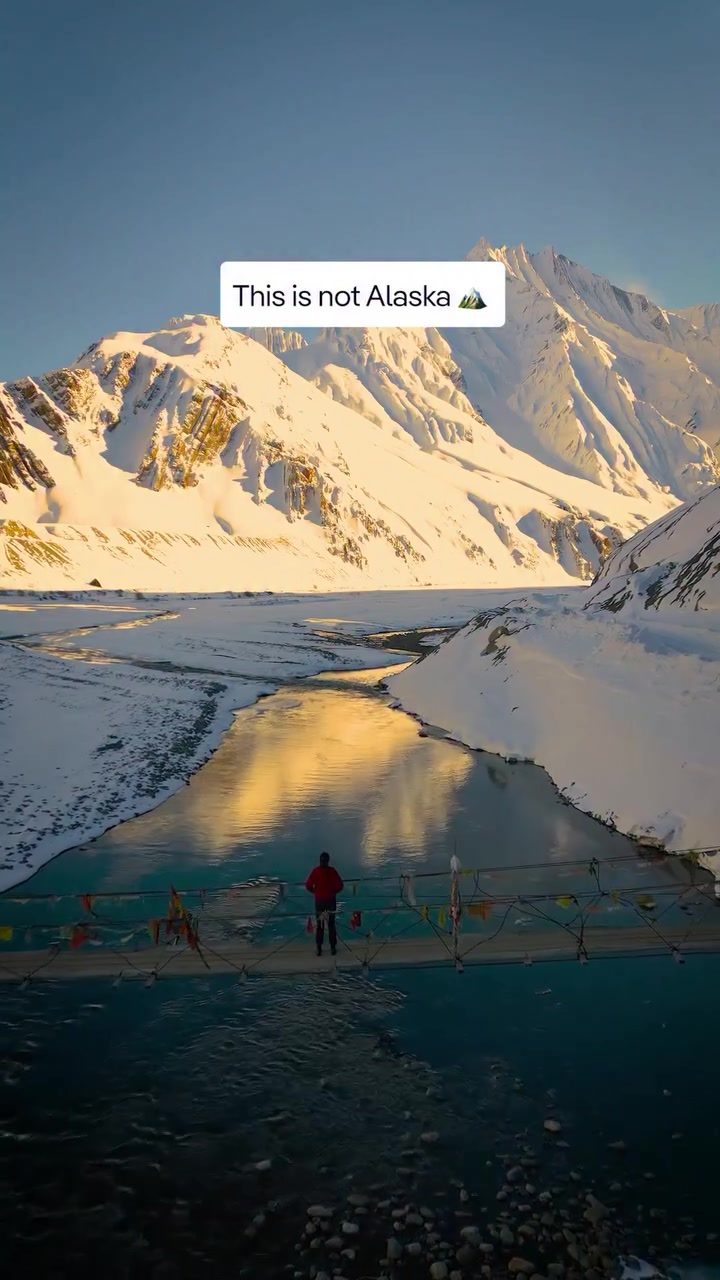
The journey begins in the icy Himalayan peaks, where the landscape is a stark contrast to the typical tropical image of India. The snow-capped mountains and glacial rivers create a serene and dramatic scenery. The presence of colorful prayer flags adds a cultural element, reflecting the spiritual significance of these high-altitude regions.
Travelers often confuse these peaks with locations like Alaska, but the presence of prayer flags and other cultural markers sets these landscapes apart. This region is home to some of the highest mountain passes in the world, including the Karda La Pass and the Kunzum La Pass. The Spiti Valley, with its stark and rugged beauty, is a must-visit for those seeking an off-the-beaten-path adventure.
The Turquoise Lakes and Mountain Views
Next, we move to the turquoise lakes nestled among the mountains. These bodies of water, often surrounded by snow-capped peaks, offer a mesmerizing sight. The aerial perspective of these lakes adds to their allure, making them feel like hidden treasures. The lakes and rivers in India, such as the Pangong Tso Lake and the Tsomgo Lake, are not only scenic but also hold significant cultural and religious importance for the local communities.
The Rolling Hills and Golden Deserts
The rolling hills under a cloudy sky present a serene and picturesque view. The presence of grazing horses and small structures in the distance adds a rustic charm. These landscapes, often found in regions like Ladakh and Himachal Pradesh, are perfect for those seeking a quiet retreat. The vast open spaces and the simplicity of rural life make these areas a unique experience.
The golden deserts, found in the western part of India, offer a different kind of beauty. The Thar Desert, also known as the Great Indian Desert, is a vast expanse of sand dunes and arid landscapes. It's a land of contrasts, with oasis-like towns and vibrant cultures. The desert festivals, such as the Pushkar Camel Fair, are must-visit events that showcase the region's rich traditions and heritage.
The Tropical Waters
Lastly, the turquoise tropical waters in India offer a different kind of paradise. The beaches along the Arabian Sea and the Bay of Bengal are perfect for relaxation and water activities. The backwaters of Kerala, with their serene canals and houseboats, offer a unique experience. The Andaman and Nicobar Islands, with their pristine beaches and coral reefs, are a tropical haven.
Practical Tips for Exploring India
- Best Time to Visit: The best time to visit India depends on the region. For the Himalayas, the summer months (April to June) are ideal. For the deserts, winter (November to February) is the best time to visit. For the tropical regions, the post-monsoon season (September to November) is recommended.
- Packing Essentials: Depending on the region, packing essentials can vary. For the Himalayas, warm clothes and trekking gear are necessary. For the deserts, light cotton clothes and a good sunscreen are essential. For the tropical regions, beachwear, swimwear, and insect repellent are must-haves.
- Travel Tips: India is a diverse country, and traveling within it requires a mix of planning and flexibility. It's important to respect local customs and traditions. Engaging with locals and trying local cuisine can enhance your travel experience. Also, consider hiring a local guide or joining a tour group for a more immersive experience.
Important Takeaways
India is a land of contrasts, where every landscape feels like a different world. From the icy Himalayan peaks to the golden deserts, from the lush jungles to the turquoise tropical waters, India offers a diverse range of landscapes. Each region is unique, with its own culture, traditions, and natural wonders.
Conclusion
India's diverse landscapes offer a rich tapestry of experiences. Whether you're seeking adventure, relaxation, or cultural immersion, India has something to offer. The next time you plan a trip, consider exploring the different landscapes of India and experience the beauty and diversity this country has to offer.
Watch the Reel
Questions readers ask
What are some must-see landscapes in India for adventure seekers?
Adventure seekers should consider the Himalayan peaks for trekking and mountaineering. The icy terrains and challenging trails offer an exhilarating experience. Additionally, the dense jungles provide opportunities for wildlife spotting and jungle treks. Activities such as white water rafting in the Ganges and exploring the deserts of Rajasthan on camel safaris add to the thrill.
Which regions in India offer the best tropical experiences?
For tropical experiences, the Andaman and Nicobar Islands and the Lakshadweep archipelago are top choices. These regions boast turquoise waters, pristine beaches, and vibrant coral reefs, perfect for snorkeling, scuba diving, and other water activities. The coastal regions of Kerala and Goa also offer beautiful tropical beaches with lush greenery and cultural experiences.
What are the best ways to explore India's diverse landscapes?
To fully appreciate India's diverse landscapes, consider a mix of travel modes. Trekking and jeep safaris are ideal for the Himalayas, while river cruises or camel safaris are better for desert regions. For tropical regions, boat tours and island-hopping are recommended. Additionally, helicopter tours offer stunning aerial views of the diverse landscapes.
Can I combine cultural experiences with landscape exploration in India?
Absolutely. India's landscapes are intertwined with its rich cultural heritage. For instance, visiting the Himalayan monasteries offers both spiritual insights and stunning mountain views. Exploring the desert forts in Rajasthan combines adventure with historical exploration, and the backwaters of Kerala provide a glimpse into rural life while enjoying serene waterways.
What are some unique wildlife experiences in India's diverse landscapes?
India's diverse landscapes are home to a variety of unique wildlife. The jungles of Madhya Pradesh and Karnataka offer opportunities to see tigers and other big cats. The deserts of Rajasthan are home to unique species like the desert fox, while the tropical waters of the Andaman and Nicobar Islands provide opportunities for marine wildlife spotting, including sea turtles and colorful fish. The Himalayan regions are famous for snow leopards and various bird species.
How can I prepare for a landscape tour in the Himalayas?
Preparing for a Himalayan adventure involves proper acclimatization to high altitudes, packing appropriate gear such as warm clothing, sturdy boots, and high-altitude gear. It's also important to stay hydrated and be aware of altitude sickness. Hiring experienced guides and porters can enhance safety and enjoyment. Fitness training and medical check-ups are also recommended before embarking on such journeys.
Related deep dives
Similar reads based on topic and creator.



Recent articles
Fresh deep dives from the latest Reels we unpacked.




Comments
Be the first to comment.