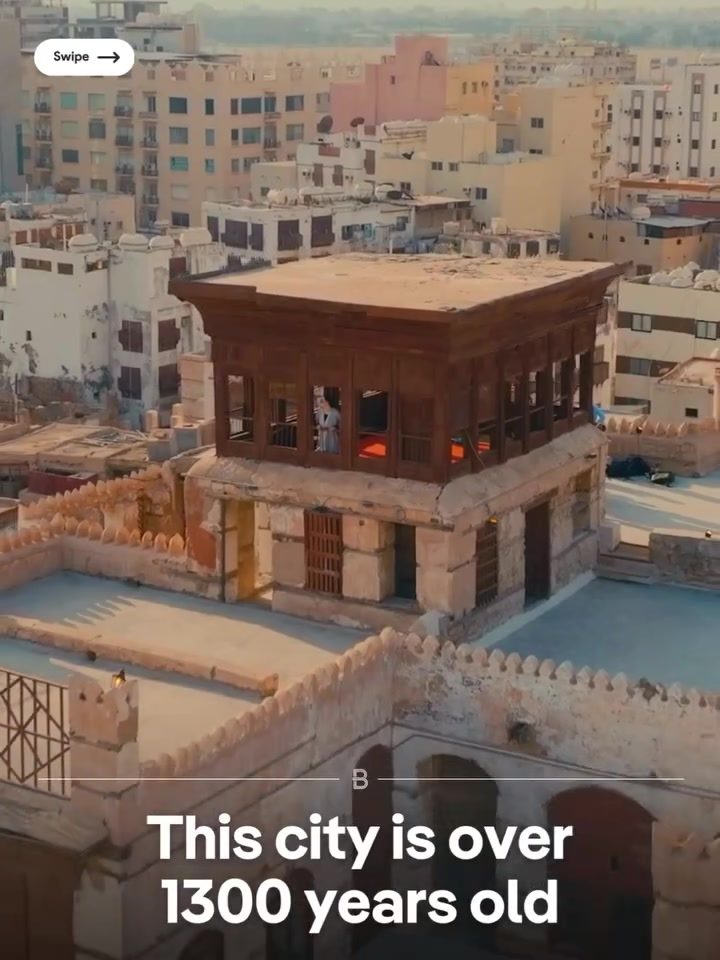
Historic Jeddah: A 1300-Year-Old Living Museum
Historic Jeddah is a city that has stood the test of time for over 1,300 years. Nestled along the Red Sea, this ancient port city in Saudi Arabia is a living testament to the rich cultural heritage and vibrant trade history of the region. Unlike other cities, Historic Jeddah's unique architecture and historical significance set it apart from the modern world.
Why This Matters
Historic Jeddah's significance lies in its role as a crossroads of trade and a gateway to Makkah. Over the centuries, this port city has welcomed countless pilgrims and traders, fostering a cultural fusion that is still evident today. The city’s architecture, carved from Red Sea coral and adorned with teak wood, tells a story of resilience and adaptation to the harsh desert climate. This blend of natural and human-made elements makes it a fascinating destination for anyone interested in history, culture, and unique architecture.
Historic Jeddah: A Walk Through Time
Architectural Marvels
Historic Jeddah is a living, breathing museum. The city's buildings are constructed from coral blocks pulled from the nearby Red Sea, a natural resource that has shaped the city's unique architectural style. Unlike the stone cities of Europe, the structures here are reinforced with wood to withstand the region's extreme heat and humidity. The Roshan balconies, in particular, are a distinctive feature of Jeddah's architecture, casting intricate shadows as sunlight filters through.
The materials and design choices in Jeddah's buildings are not just aesthetically pleasing but also practical. Coral, a tough and durable material, provides a strong foundation for the buildings. Meanwhile, the use of teak wood for reinforcement ensures longevity and stability in the harsh climate. This practicality is a testament to the ingenuity of the builders who constructed these architectural marvels over a millennium ago.
Cultural Fusion
Walking through Jeddah's twisting lanes feels like stepping back in time. The city's streets have welcomed millions of pilgrims and traders since 647 AD, contributing to a unique cultural fusion that is still palpable today. The blend of ancient and modern, traditional and cosmopolitan, creates a vibrant atmosphere that is both nostalgic and lively.
The city's historical significance as a gateway to Makkah has made it a melting pot of cultures. Traders from different parts of the world have contributed to Jeddah's rich cultural tapestry, leaving behind a legacy of diverse influences. This cultural fusion is evident in the city's cuisine, art, and traditions, making it a fascinating place to explore.
Best Times to Visit
For the best experience, visit Historic Jeddah just before sunset. As the heat of the day fades, the golden hour light creates a perfect backdrop for photography, especially when it hits the wooden lattices and Roshan balconies. The city's ambiance changes as the Maghrib prayer call echoes through the alleyways and the lanterns flicker on, making it the most atmospheric time to be in the city.
The transition from day to night in Jeddah is a breathtaking experience. The city's traditional lanterns, combined with the ancient architecture, create a mesmerizing atmosphere. Walking through the lantern-lit streets, one can almost feel the echoes of centuries of history and tradition.
Practical Tips for Your Visit
Best Time of the Year
The best time to visit Historic Jeddah is during the winter months, from November to March. During this time, the weather is mild, and the city is less crowded, making it an ideal period for exploring the historical sites and enjoying the local culture.
What to Wear
When visiting Historic Jeddah, it is essential to dress modestly. Both men and women should cover their shoulders and knees. Lightweight, breathable fabrics are recommended due to the city's hot and humid climate. Wearing comfortable shoes is also advisable, as you will likely spend a lot of time walking through the city's narrow streets and alleys.
Local Cuisine
A visit to Historic Jeddah would be incomplete without trying the local cuisine. The city's culinary scene is a blend of traditional Arabian dishes and influences from various cultures that have interacted with Jeddah over the centuries. Try local dishes such as shawarma, falafel, and mandi, a traditional Yemeni dish made with slow-cooked meat.
Shopping and Souvenirs
Historic Jeddah is a shopper's paradise, especially for those interested in traditional handicrafts and souvenirs. The city's markets and souks offer a wide range of items, including traditional textiles, jewelry, and pottery. Visitors can find unique items that reflect the city's rich cultural heritage, making for perfect keepsakes.
Important Takeaways
Historic Jeddah is a unique destination that offers a glimpse into the past while providing a vibrant cultural experience. The city's architecture, rooted in the use of coral and wood, is a testament to the ingenuity of its builders. Its role as a crossroads of trade and a gateway to Makkah has contributed to a rich cultural fusion that is evident in its cuisine, traditions, and architecture.
Whether you are a history enthusiast, an architecture buff, or a culture vulture, Historic Jeddah has something to offer. From the intricately carved wooden lattices to the bustling souks, the city is a treasure trove of experiences waiting to be discovered.
Conclusion
Historic Jeddah is more than just a city; it is a living, breathing museum that tells the story of a rich cultural heritage and a vibrant trade history. Its unique architecture, cultural fusion, and historical significance make it a destination unlike any other. Whether you are exploring the ancient streets, trying the local cuisine, or shopping for traditional handicrafts, Historic Jeddah promises an unforgettable experience.
Watch the Reel
Questions readers ask
What makes Historic Jeddah's architecture unique?
Historic Jeddah's architecture is distinctive for its use of Red Sea coral and teak wood, which have been naturally adapted to withstand the desert climate. This building style is a result of the region's unique resources and the need to create structures that can endure the harsh environment.
How has Historic Jeddah's role in trade shaped its cultural heritage?
As a major port city, Historic Jeddah has long served as a hub for pilgrims and traders. This influx of diverse populations has led to a rich cultural fusion over the centuries, with various influences melding to create a unique cultural identity.
What are some notable historical sites in Historic Jeddah?
Historic Jeddah is home to numerous significant sites, including ancient mosques, traditional markets, and historic homes. Some notable structures include the Al-Tayebat International City, which includes the historic districts of Al-Balad, and the Grand Mosque of Jeddah, showcasing the city's millennia-long history.
Why is Historic Jeddah considered a 1300-year-old living museum?
Historic Jeddah is often referred to as a living museum because it preserves its rich history in a tangible way through its architecture and cultural practices. The city's heritage is not confined to museums but is integrated into its daily life, offering a living, breathing experience of the past.
How has Historic Jeddah adapted to the desert climate?
Historic Jeddah's architecture has been designed to withstand the harsh desert climate, with materials like Red Sea coral and teak wood providing natural insulation and durability. The city’s buildings often feature thick walls, small windows, and shaded courtyards that help regulate temperature and conserve resources.
What is the significance of Historic Jeddah's role as a gateway to Makkah?
As a gateway to Makkah, Historic Jeddah has played a crucial role in facilitating the Hajj pilgrimage for centuries. This has not only boosted the city's trade but also enriched its cultural landscape through interactions with pilgrims from around the world.
How does the use of Red Sea coral in Jeddah's architecture reflect its maritime history?
The use of Red Sea coral in Historic Jeddah's architecture is a direct reflection of the city's maritime history. This abundant and readily available material showcases the city’s deep connection to the sea and its reliance on maritime trade for prosperity and survival.
Related deep dives
Similar reads based on topic and creator.




Recent articles
Fresh deep dives from the latest Reels we unpacked.




Comments
Be the first to comment.