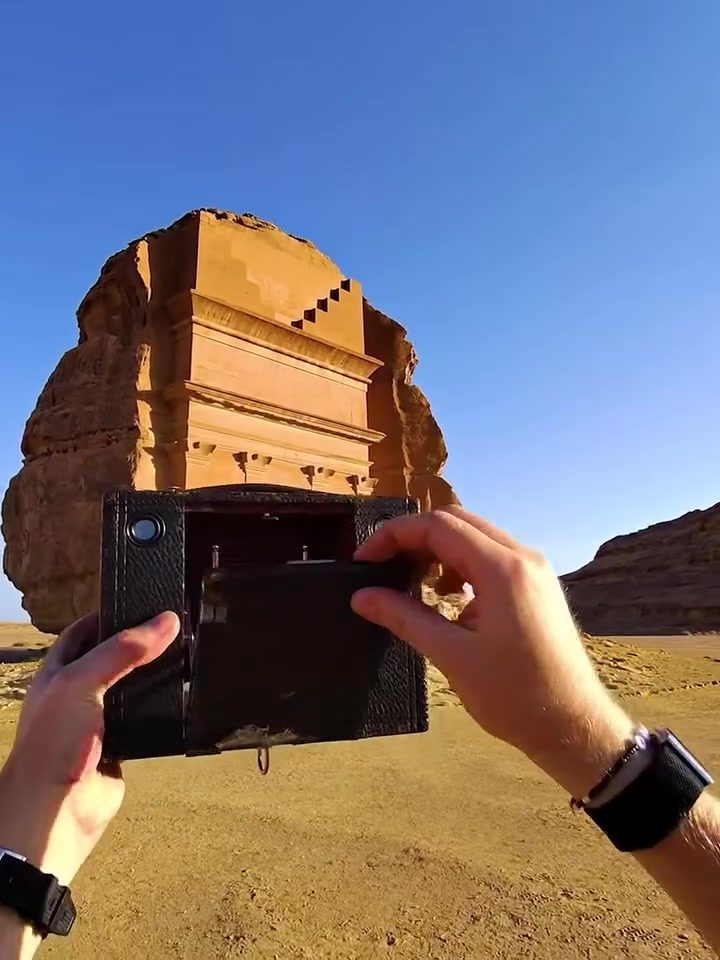
Capturing History with Antique Cameras: The Timeless Beauty of Hegra, Saudi Arabia
Hegra, situated in the AlUla region of Saudi Arabia, is a historical site that has captured the interest of travelers and historians alike. Once the southern capital of the Nabataean kingdom, this ancient settlement dates back over 2,000 years. The Nabataeans, a sophisticated civilization, are renowned for their intricate rock-cut tombs and their extensive trade networks, particularly along the ancient incense trade route. Hegra is now recognized as Saudi Arabia’s first UNESCO World Heritage Site and serves as a fascinating glimpse into a civilization that also built Petra, the famous archaeological site in modern-day Jordan.
Why This Matters
Exploring Hegra provides a unique opportunity to delve into the mysteries of the Nabataean civilization. The site showcases intricate rock formations and carved tombs, offering insights into the rituals and beliefs of a bygone era. Additionally, the use of vintage cameras to capture these ancient structures adds a layer of historical authenticity. The resulting photographs feel almost otherworldly, transporting viewers to a different time and place, much like discovering a hidden gem in a movie or stumbling upon a lost civilization on another planet.
Main Discussion
The Intricate Carvings of Hegra
The carved tombs and rock formations of Hegra are not just visually striking; they hold deep cultural and historical significance. These structures were built as burial sites for the Nabataean elite, and the intricate carvings often symbolized wealth and status. The tombs are adorned with detailed motifs and inscriptions that speak to the cultural practices and beliefs of the Nabataeans.
Photographing the Past
Experimenting with both expired and fresh film, the narrator of the journey used two century-old cameras to capture the beauty of Hegra. The vintage cameras, dating back to the early 1900s, added a nostalgic touch to the photographs, making them feel timeless. Sunrise was chosen as the optimal time to capture the intricate details of the tombs, as the early morning light illuminated the carved structures in a warm and ethereal glow.
The Significance of Sunrise Photography
Choosing to photograph at sunrise was a deliberate decision to highlight the beauty and intricacy of the carved tombs. The soft, warm light of dawn accentuated the details and textures of the rock formations, making the photographs feel almost otherworldly. This technique not only added a layer of aesthetic beauty but also provided a sense of historical authenticity, capturing the essence of a civilization long past.
The Role of Incense in Nabataean Culture
The use of incense in Nabataean culture was both a symbol of wealth and a crucial part of their trade networks. The Nabataeans were renowned for their control over the incense trade routes, which connected them to various civilizations and facilitated the exchange of goods and ideas. The incense not only held spiritual significance but also played a role in the rituals and burials of the elite, further emphasizing the importance of these trade networks in Nabataean society.
Practical Tips
Planning a Trip to Hegra
If you’re planning a trip to AlUla, Saudi Arabia, and are keen on exploring Hegra, consider the following tips:
- Best Time to Visit: The best time to visit Hegra is during the cooler months, from October to April, when temperatures are more comfortable for outdoor exploration.
- Photography Equipment: While vintage cameras add a unique touch, modern cameras with high-resolution lenses can capture the intricate details of the tombs with great clarity.
- Guided Tours: Consider joining a guided tour to gain deeper insights into the historical and cultural significance of Hegra. Local guides can provide valuable context and share stories that bring the ancient site to life.
- Sunrise and Sunset: Plan your visit to capture the beauty of the site during sunrise and sunset. The soft, golden light enhances the visual appeal of the carvings and adds a mystical quality to the photographs.
Important Takeaways
- Historical Insight: Hegra offers a rare glimpse into the civilization of the Nabataeans, showcasing their architectural prowess and cultural practices.
- Cultural Significance: The carved tombs and rock formations tell a story of a rich and sophisticated civilization that thrived along the incense trade routes, leaving behind a legacy that endures to this day.
- Photographic Appeal: Using vintage cameras and capturing the site at sunrise adds a layer of authenticity and visual appeal to the photographs, making them feel timeless and otherworldly.
Conclusion
Hegra, with its 2,000-year-old tombs and towering rock formations, stands as a testament to the ingenuity and cultural richness of the Nabataean civilization. Photographing these ancient structures using vintage cameras not only captures their beauty but also adds a layer of historical authenticity. Whether you’re a history enthusiast or a photography aficionado, a visit to Hegra promises an unforgettable experience, transporting you to a world long past.
Watch the Reel
Questions readers ask
What makes the tombs of Hegra unique and historically significant?
The tombs of Hegra are unique due to their intricate rock-cut designs and their historical significance as part of the Nabataean Kingdom, which flourished over 2,000 years ago. These ancient tombs in Saudi Arabia offer a fascinating glimpse into the art and culture of the Nabataeans, a civilization renowned for its trade networks and architectural prowess.
Why were vintage cameras used to capture the beauty of Hegra’s tombs?
Vintage cameras were used to capture the beauty of Hegra's tombs because they provide a unique, nostalgic perspective that aligns well with the ancient atmosphere of the site. The use of old camera travel photography highlights the timelessness of the Nabataean rock-cut tombs and adds a layer of authenticity to the visual documentation of the site.
What kind of vintage cameras are typically used for travel photography in historic sites like Hegra?
Vintage Kodak cameras and other portable vintage cameras are often used to photograph historic sites like Hegra. These cameras are valued for their durability and the distinctive aesthetic they provide, enhancing the old-world charm of the images captured at the UNESCO World Heritage Site.
Can visitors explore the rock formations and carvings of the Hegra tombs?
Yes, visitors are able to explore the rock formations and carvings of the Hegra tombs. The site offers a unique opportunity to walk among the 2,000-year-old tombs and observe the detailed artistry of the Nabataeans up close, providing a tangible connection to the site's rich history.
What are the Nabataean rock-cut tombs and why are they important?
The Nabataean rock-cut tombs are ancient burial sites carved into the rock formations of Hegra. These tombs are important because they showcase the impressive architectural and artistic skills of the Nabataeans, offering insights into their cultural practices and the significance of trade routes, such as the incense trade.
How does exploring Hegra contribute to understanding the history of the Nabataean Kingdom?
Exploring Hegra contributes to understanding the history of the Nabataean Kingdom by providing a tangible connection to their architectural and artistic achievements. The site’s well-preserved rock-cut tombs and ancient carvings offer a direct link to the Nabataean civilization, allowing visitors to appreciate their cultural legacy and the role of trade in their society.
What are some of the notable features of the rock-cut tombs at Hegra?
The rock-cut tombs at Hegra are notable for their intricate carvings, which often feature detailed facades and elaborate designs. These tombs are carved into the natural rock formations of the site, showcasing the Nabataeans’ exceptional craftsmanship and their ability to blend architecture with the natural landscape.
Related deep dives
Similar reads based on topic and creator.




Recent articles
Fresh deep dives from the latest Reels we unpacked.



Comments
Be the first to comment.