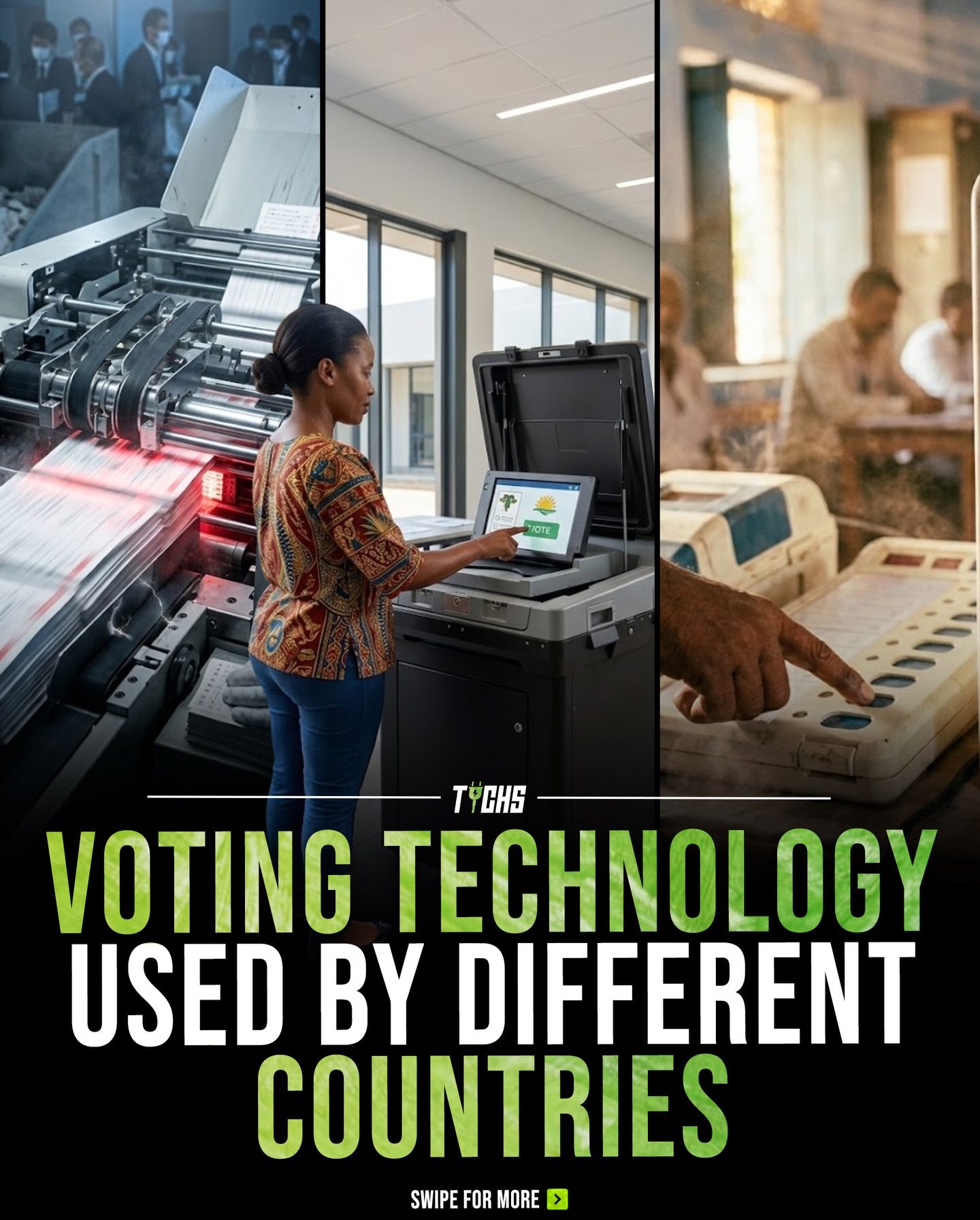
Voting Technology Around the World
Voting technology varies significantly between countries, shaping how elections are conducted and votes are counted. From optical scan machines in the United States to secure internet voting in Estonia, the diversity of voting technologies highlights the global effort to balance speed, security, and accuracy in managing millions of votes efficiently.
Context: Why This Matters
Elections are the cornerstone of democracy, and the technology used in voting processes plays a crucial role in ensuring fairness, security, and efficiency. Different countries have adopted various technological solutions to address these needs, each with its unique advantages and challenges. Understanding these technologies provides insight into how different nations manage their electoral processes and secure democratic outcomes.
Main Discussion
The Role of Electronic Voting Systems
Electronic voting systems, also known as e-voting, are widely used in countries like India, Brazil, and the Philippines. These systems offer several advantages, including faster vote counting and reduced reliance on manual processes. For instance, the TCH5 voting machine showcased in various scenarios, allows for automated counting and electronic verification of votes, thereby improving efficiency. This technology is particularly beneficial in large-scale elections where manual counting would be impractical.
Advantages of electronic voting:
- Speed: Electronic voting machines can tally votes almost instantaneously, reducing the wait time for results.
- Efficiency: Automated systems can handle a large number of ballots with minimal human intervention, reducing the likelihood of errors.
- Accessibility: Electronic systems can be designed to accommodate voters with disabilities, ensuring broader participation.
Optical Scan Voting Machines
Optical scan voting machines, as used in the United States, involve voters marking their choices on a paper ballot, which is then scanned by a machine. This method combines the benefits of paper ballots with the efficiency of digital counting. The paper trail ensures that votes can be manually recounted if necessary, providing an additional layer of security.
Advantages of optical scan voting machines:
- Paper Trail: The physical ballots can be recounted, which adds a layer of security and transparency.
- User-Friendly: Voters simply mark their choices on a ballot, making the process familiar and straightforward.
- Reliability: Optical scan machines are less prone to technological malfunctions compared to more complex digital systems.
Ballot Scanning Machines
Countries like Japan use ballot scanning machines, which scan and count votes from paper ballots. This method is similar to optical scanning but often involves more sophisticated technology for higher accuracy and speed. Ballot scanning machines offer the benefits of digital counting while maintaining a paper trail, making them a popular choice for many countries.
Advantages of ballot scanning machines:
- High Accuracy: Advanced scanning technology ensures that votes are counted accurately.
- Paper Verification: Like optical scan machines, ballot scanners provide a physical record of votes.
- Efficiency: These machines can process a large number of ballots quickly, reducing the time needed to tally votes.
Secure Internet Voting
Estonia and parts of Switzerland have pioneered secure internet voting, allowing citizens to cast their votes online. This method utilizes digital identity systems to verify voters and ensure the security and integrity of the voting process. While internet voting offers convenience and accessibility, it also introduces new security challenges, including the risk of cyberattacks and hacking.
Benefits of secure internet voting:
- Convenience: Voters can cast their ballots from anywhere at any time, increasing participation.
- Accessibility: Online voting can make the process more accessible to voters with mobility issues or those living abroad.
- Efficiency: Digital systems can handle votes quickly and efficiently, reducing the time needed for counting.
Practical Tips for Enhancing Voting Technology
Ensuring Accessibility
To ensure that voting technology is accessible to all voters, it is essential to consider the needs of people with disabilities. This includes providing tactile feedback for visually impaired voters, audible instructions, and large-print ballots. Accessible voting machines and digital interfaces can be designed to accommodate a wide range of needs, ensuring that everyone can participate in the democratic process.
Maintaining Security
Security is paramount in voting technology. Implementing robust encryption, secure digital identity systems, and regular audits can help protect voting data from unauthorized access. Additionally, maintaining a paper trail, as seen in optical scan and ballot scanning machines, can provide a physical record for recounts and verification.
Training and Support
Elections staff and voters need proper training to use voting technology effectively. Providing clear instructions, user-friendly interfaces, and on-site support can help ensure a smooth voting experience. Training sessions and comprehensive user manuals can also help voters understand the process and build trust in the system.
Balancing Technology and Transparency
While technology can enhance the efficiency and security of voting, it is crucial to balance technological advancements with transparency. Keeping the voting process transparent and verifiable is essential for maintaining public trust in the electoral system. This can be achieved through a combination of digital and physical verification methods, such as the hybrid approach seen in optical scan and ballot scanning machines.
Key Takeaways
The diversity of voting technologies around the world offers valuable insights into how different countries balance speed, security, and efficiency in their electoral processes. From electronic voting systems to ballot scanning machines and secure internet voting, each technology has its unique advantages and challenges. Proper implementation, user training, and a focus on accessibility and security are critical for ensuring a reliable and transparent voting process.
Conclusion
Voting technology is a vital component of modern elections, influencing how votes are cast, counted, and verified. Understanding the different technologies used around the world provides a broader perspective on the evolving landscape of electoral processes. By leveraging advancements in technology while maintaining a focus on security, transparency, and accessibility, countries can continue to improve their voting systems and ensure that elections are fair, efficient, and trustworthy.
Watch the Reel
Questions readers ask
What are optical scan machines and how do they work?
Optical scan machines are a type of voting technology where voters mark their choices on a paper ballot, which is then fed into the machine. The machine scans and counts the votes, providing a quick and accurate tally. This method is widely used in the United States and offers a balance between paper-based voting and digital counting.
How does Estonia's internet voting system ensure security?
Estonia's internet voting system uses advanced cryptographic methods to secure votes. Each vote is encrypted and stored on central servers. The system employs blockchain technology to ensure the integrity and security of the voting process, making it a pioneering example of secure internet voting.
What are the main types of voting machine technologies used globally?
Globally, voting machine technologies include optical scan machines, direct-recording electronic (DRE) machines, and internet voting systems. Optical scan machines read paper ballots, DRE machines record votes electronically, and internet voting systems allow voters to cast ballots online, each offering different advantages in terms of speed, security, and convenience.
How do digital ballot counting systems enhance election accuracy?
Digital ballot counting systems enhance accuracy by reducing human error in vote tallying. These systems quickly and precisely count votes, often providing real-time results. Moreover, digital systems can be integrated with auditing procedures to verify the accuracy of the vote counts, ensuring the integrity of the election process.
What are the advantages and disadvantages of electronic voting systems?
Electronic voting systems offer advantages such as speed in vote counting and accessibility for voters with disabilities. However, they also present challenges, including potential security vulnerabilities and the need for robust cybersecurity measures to protect against hacking and tampering. Ensuring public trust in these systems is also a significant consideration.
How do different countries' voting technologies compare in terms of efficiency and security?
Countries vary in their approach to balancing efficiency and security. For instance, Estonia prioritizes internet voting for its efficiency and convenience, while the U.S. often relies on optical scan machines for their combination of paper-based voting and digital counting, ensuring both speed and a physical record of votes. Each country adapts its technology based on local needs and infrastructure.
What measures can be taken to ensure the security of voting machines?
Ensuring the security of voting machines involves several measures, including rigorous testing and certification, regular audits, and the implementation of advanced cybersecurity protocols. Additionally, maintaining a paper trail or backup for electronic votes and conducting post-election audits can help verify the accuracy and integrity of the voting process.
Related deep dives
Similar reads based on topic and creator.




Recent articles
Fresh deep dives from the latest Reels we unpacked.




Comments
Be the first to comment.