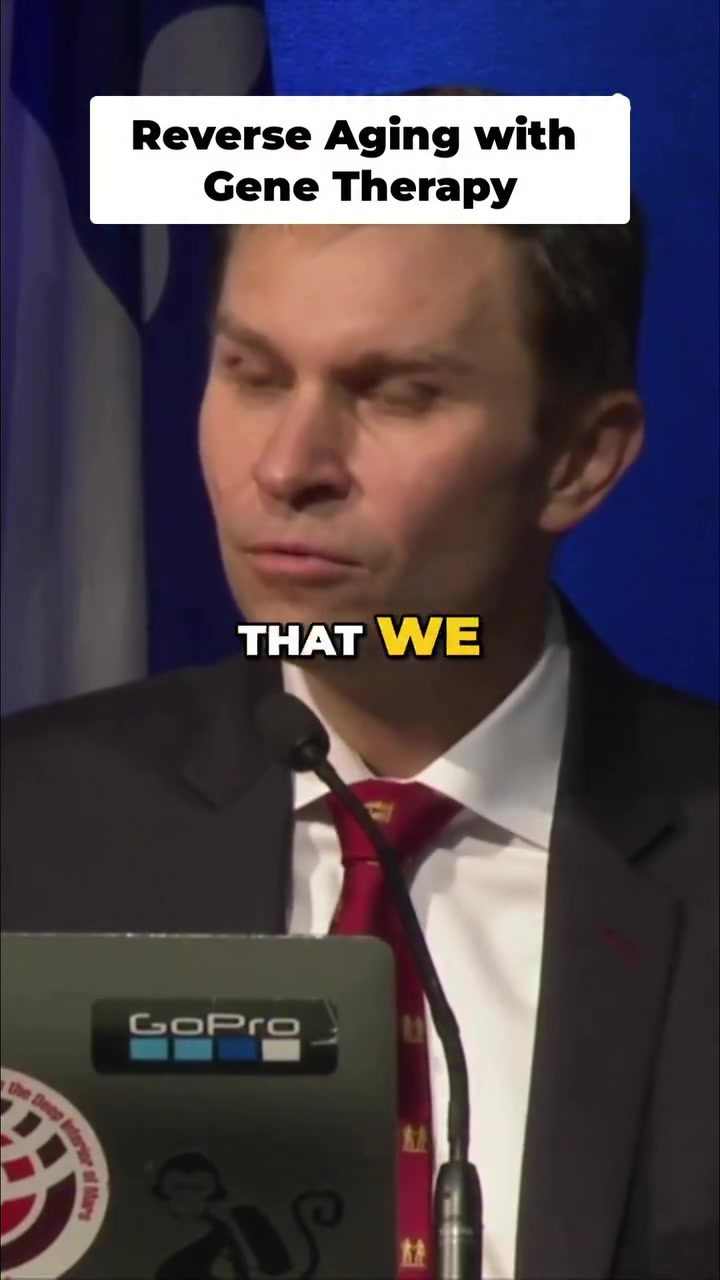
Reverse Aging with Gene Therapy: The Future of Longevity
The concept of reversing the aging process has long been a dream of scientists and the public alike. Recent advancements in gene therapy and cellular reprogramming are bringing this dream closer to reality. The idea is that aging isn't just about cells wearing out, but about them losing crucial information, which can potentially be restored.
Context / Why This Matters
Understanding the fundamental mechanisms of aging is crucial for developing therapies that can extend healthy lifespan and improve overall well-being. The traditional approach to medicine has focused on treating damage after it occurs. However, the shift towards restoring biological functions and potentially reversing aging could revolutionize healthcare. This is particularly relevant as the global population ages, and the incidence of age-related diseases increases.
Main Discussion
Cellular Reprogramming: The Core Concept
Cellular reprogramming involves using specific genes, often referred to as Yamanaka factors, to revert cells to a more youthful state. This process has shown promising results in lab settings and animal models. By reintroducing these genes, scientists have been able to:
- Rejuvenate cells: Cells that have lost function due to aging can be rejuvenated, restoring their youthful properties.
- Restore tissue function: Damaged tissues can regain their functionality, leading to improved organ performance.
- Reverse aging: Animal models have shown that aspects of aging can be reversed, suggesting that similar outcomes might be possible in humans.
The Role of Gene Therapy
Gene therapy is a key component in the quest to reverse aging. Imagine a future where young individuals receive gene therapy that primes their bodies to regrow damaged tissues. In the event of an accident—whether it's a cut, a broken spine, or damaged eye—the body could be administered an IV of an antibiotic that triggers cellular reprogramming. This could make humans regrow what they need, much like axolotls and salamanders can regenerate lost limbs.
Potential Applications and Future Scenarios
The potential applications of cellular reprogramming and gene therapy are vast. Injuries that are currently debilitating or life-altering could become temporary setbacks. Damaged tissues could repair themselves, and the body could reset its biological age every decade or so. This would not only improve quality of life but also reduce the healthcare burden associated with age-related diseases. While this future is still speculative, the direction of research is clear.
Current Limitations and Realities
It's important to acknowledge that this field is still in its experimental stages, primarily focused on animal studies. While the results are exciting, applying these therapies to humans poses significant challenges. Ethical considerations, safety concerns, and the complexity of human biology mean that widespread adoption is still a ways off. However, the progress made so far is encouraging and suggests that future generations may see significant advancements in longevity science.
Practical Tips
While the future of reversing aging seems promising, there are practical steps you can take today to support healthy aging:
Adopt a Healthy Lifestyle
Maintaining a balanced diet, engaging in regular physical activity, and getting adequate sleep are foundational to healthy aging. These habits support cellular health and can help mitigate the effects of aging.
Stay Informed
Keep up-to-date with the latest research in longevity science. Following reputable sources and experts in the field can provide valuable insights and practical tips for living healthier and aging better.
Participate in Clinical Trials
If you have the opportunity, participating in clinical trials related to longevity and aging research can contribute to the development of new therapies. This not only helps advance science but also provides access to cutting-edge treatments.
Maintain Mental Health
Mental health is as important as physical health. Engaging in activities that promote mental well-being, such as mindfulness practices and social connections, can have a positive impact on overall health and aging.
Important Takeaways
The future of aging is not just about slowing down the process but about potentially reversing it. Gene therapy and cellular reprogramming are at the forefront of this revolution, offering a glimpse into a world where injuries can trigger regeneration, and the body can reset its biological age.
Conclusion
The journey towards reversing aging with gene therapy is filled with challenges and uncertainties. However, the progress made in cellular reprogramming and the potential applications in human health are inspiring. As research continues, the possibility of a future where aging is no longer a one-way process becomes more tangible. By staying informed, adopting healthy habits, and supporting research efforts, individuals can contribute to this exciting and transformative field.
Watch the Reel
Questions readers ask
What is the primary goal of gene therapy in the context of aging?
The primary goal of gene therapy in the context of aging is to restore youthful cell function and improve tissue performance, thereby extending the healthy lifespan and enhancing overall well-being. This involves addressing the loss of crucial cellular information that occurs with age, rather than just treating the damage caused by aging.
How does cellular reprogramming contribute to reversing aging?
Cellular reprogramming plays a key role in reversing aging by restoring cells to a more youthful state. This process involves resetting cells to an earlier stage of development, which can help reverse age-related declines in function and potentially allow tissues to function as they did when the organism was younger.
Who is Dave Sinclair and what is his role in longevity research?
Dave Sinclair is a prominent researcher in the field of longevity and gene therapy, known for his work on the biological mechanisms of aging. His research focuses on the potential to reverse aging by targeting specific genes and cellular processes, particularly those related to lifespan extension.
What are the potential benefits of gene therapy in extending healthy lifespan?
Gene therapy has the potential to extend healthy lifespan by addressing the root causes of aging at the cellular level. By restoring youthful cell function and tissue performance, gene therapy could delay or even reverse the onset of age-related diseases, leading to a longer, healthier life.
How does the shift towards restoring biological functions differ from traditional medicine?
Traditional medicine often focuses on treating symptoms or damage after it occurs, such as administering medication to manage a condition. In contrast, the shift towards restoring biological functions involves proactive measures to maintain or enhance cellular health and functionality, potentially preventing the onset of age-related diseases altogether.
What are the potential implications of gene therapy for future healthcare?
The potential implications of gene therapy for future healthcare are vast. By revolutionizing our approach to aging, gene therapy could significantly reduce the burden of age-related diseases, decrease healthcare costs, and improve the quality of life for individuals as they age.
What are some of the key areas of research in gene therapy for longevity?
Key areas of research in gene therapy for longevity include understanding the fundamental mechanisms of aging, developing therapies to restore youthful cell function, and exploring the potential of cellular reprogramming. Researchers are also investigating specific genes and cellular processes that play a crucial role in the aging process, with the goal of developing targeted interventions.
Recent articles
Fresh deep dives from the latest Reels we unpacked.




Comments
Be the first to comment.