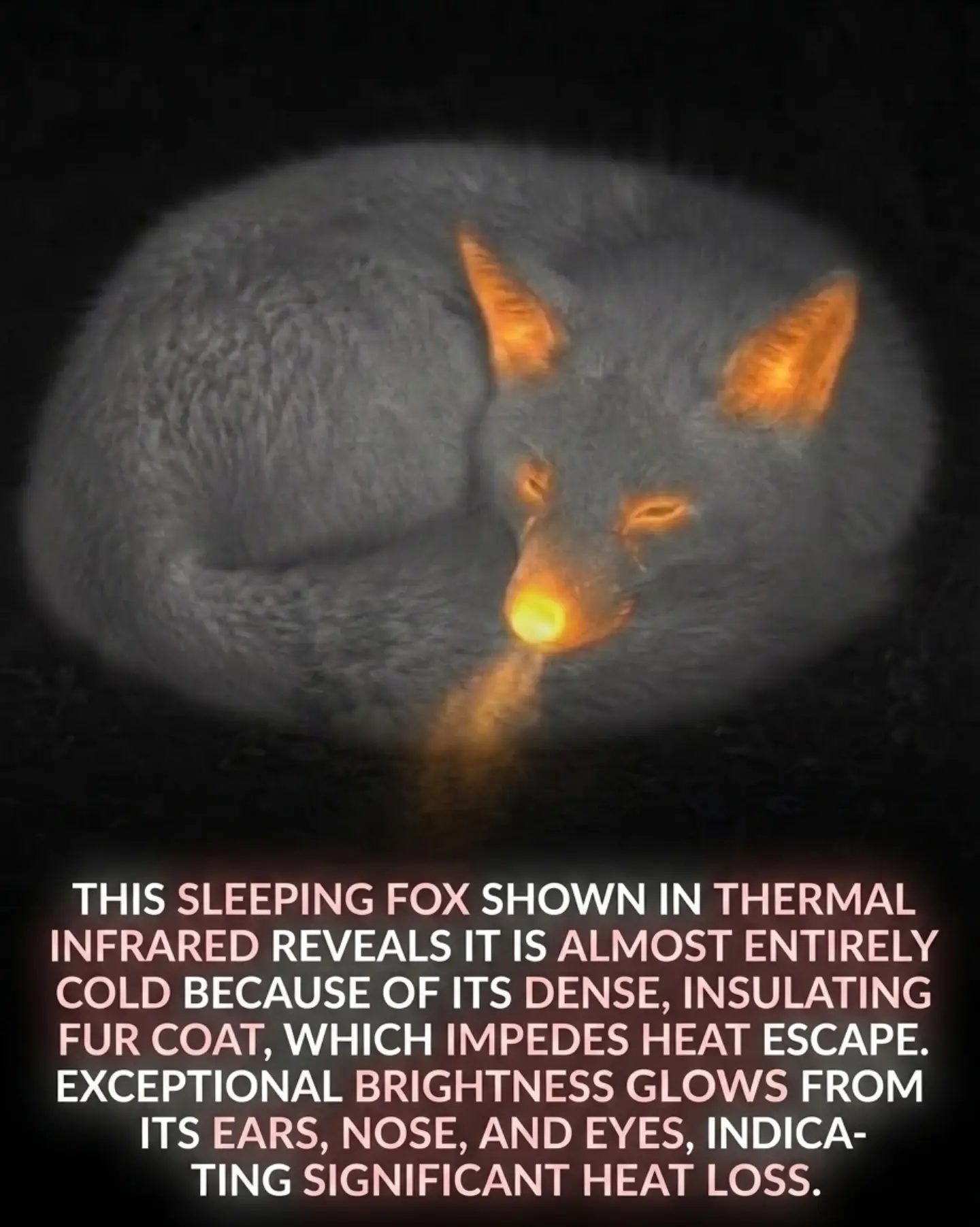
Thermal Imaging of a Fox
Thermal imaging of wildlife offers a unique perspective on how animals adapt to their environments. For instance, thermal imaging of a fox reveals fascinating details about its temperature regulation and heat management.
Why This Matters
Understanding how wildlife manages its body temperature is crucial for various reasons. It helps in comprehending the physiological adaptations of animals, which in turn aids in conservation efforts, veterinary care, and even biological research. Studying temperature distribution in wildlife can provide insights into their behavior, health, and survival strategies in different environmental conditions.
Main Discussion
Thermal Imaging Technology
Thermal imaging technology captures the heat emitted by objects, including animals, and translates it into visible images. This non-invasive method allows us to observe the temperature distribution across an animal's body, revealing details that are not visible to the naked eye. In the case of a fox, thermal imaging shows how its dense fur coat acts as an effective insulator, trapping heat and preventing it from escaping.
Insulating Properties of Fur
Fur is a crucial adaptation for many mammals, including foxes. The dense, insulating properties of a fox's fur coat help it retain body heat, especially in colder environments. This is evident in thermal images, where the majority of the fox's body appears almost entirely cold. The fur acts as a barrier, impeding heat escape and maintaining the fox's internal temperature.
Heat Loss Areas
Despite the insulating properties of the fur, certain areas of the fox's body still experience significant heat loss. These areas include the ears, nose, and eyes. These regions are more exposed and have less insulating fur, making them more susceptible to heat dissipation. This is a common phenomenon in many animals, as these areas often serve functions that require exposure, such as sensing the environment and regulating body temperature.
Adaptations for Survival
The fox’s body structure and behavior are finely tuned for survival in various environments. The thermal imaging of a fox highlights these adaptations, showing how the animal's physical features and behaviors contribute to its ability to thrive. For example, the fox's dense fur coat and the strategic placement of heat loss areas like the ears, nose, and eyes are adaptations that help it manage its body temperature efficiently.
Practical Tips
If you're interested in using thermal imaging to study wildlife, here are some practical tips to get you started:
Equipment and Setup
-
Choose the Right Camera: Select a thermal imaging camera with a high resolution and sensitivity to capture detailed images of small animals like foxes. Make sure the camera is suited for outdoor use and can withstand varying environmental conditions.
-
Set Up Properly: Position the camera at a distance that allows for a clear view of the animal without disturbing it. Ensure the camera is stable and secure to avoid blurry images.
-
Environmental Considerations: Be mindful of the environment where you are conducting your observations. Factors like temperature, humidity, and time of day can affect the thermal imaging results. Try to conduct observations during stable weather conditions for the best results.
Interpreting Thermal Images
-
Understand Color Palettes: Thermal imaging cameras often use different color palettes to represent temperature variations. Familiarize yourself with the color scale used by your camera to accurately interpret the images.
-
Focus on Key Areas: Pay special attention to areas of the body where significant heat loss occurs, such as the ears, nose, and eyes. These regions can provide valuable insights into the animal's temperature regulation strategies.
-
Compare Images: Take multiple images over time to observe how the animal's temperature distribution changes with activity levels and environmental conditions. This can help you understand the dynamic nature of the animal's temperature regulation.
Important Takeaways
- Thermal imaging is a powerful tool for studying the physiological adaptations of wildlife, providing insights into how animals manage their body temperature.
- A fox's dense fur coat is an effective insulator, helping it retain body heat and survive in colder environments.
- Heat loss in foxes is concentrated around the ears, nose, and eyes, which are more exposed and less insulated.
- Thermal imaging can reveal the strategic adaptations that animals like foxes have developed for survival.
Conclusion
Thermal imaging offers a unique and valuable perspective on the adaptive strategies of wildlife. By revealing the temperature distribution across an animal's body, it provides a deeper understanding of how animals manage their body temperature and survive in different environments. This information is not only fascinating from a biological standpoint but also essential for conservation efforts and veterinary care.
Watch the Reel
Questions readers ask
How does thermal imaging help in understanding a fox's temperature regulation?
Thermal imaging captures the heat emitted by a fox, revealing how it manages its body temperature. By visualizing heat patterns, we can see how the fox's fur insulates its body, and identify areas where heat escapes, such as the nose and ears. This provides a clear picture of the fox's heat regulation strategies, which are crucial for its survival.
What role does a fox's fur play in its temperature regulation?
A fox's fur is a vital component of its temperature regulation. Its dense and thick fur traps heat, providing excellent insulation. Thermal images of foxes show that the fur helps maintain a consistent body temperature by minimizing heat loss, which is essential for surviving in various environments.
Why are a fox's ears and nose significant in thermal imaging studies?
A fox's ears and nose are notable in thermal images because they often appear cooler, indicating significant heat loss in these areas. This is due to their vascular structure, which helps regulate the fox's body temperature. By understanding how these areas function, we can gain insights into the fox's overall heat management strategies.
How does thermal imaging contribute to conservation efforts for foxes?
Thermal imaging provides valuable data on foxes' heat regulation and physiological adaptations. This information can help inform conservation strategies by identifying how foxes respond to environmental changes and stressors. Additionally, it can assist in monitoring the health of fox populations and evaluating the impact of habitat changes.
What can thermal images tell us about a fox's health?
Thermal images can provide important clues about a fox's health by revealing abnormal heat patterns. For instance, areas of unusual heat or cold on the fox's body might indicate inflammation, injury, or other health issues. Veterinarians can use this information to assess a fox's well-being and determine appropriate care.
What are some common misconceptions about a fox's temperature regulation?
Many people believe that foxes rely solely on their dense fur for warmth, but thermal imaging shows that their ears, nose, and other physiological adaptations play a crucial role. Additionally, while their body temperature is important, foxes also rely on behavioral strategies, such as curling up or seeking shelter, to manage their heat effectively.
Related deep dives
Similar reads based on topic and creator.




Recent articles
Fresh deep dives from the latest Reels we unpacked.




Comments
Be the first to comment.