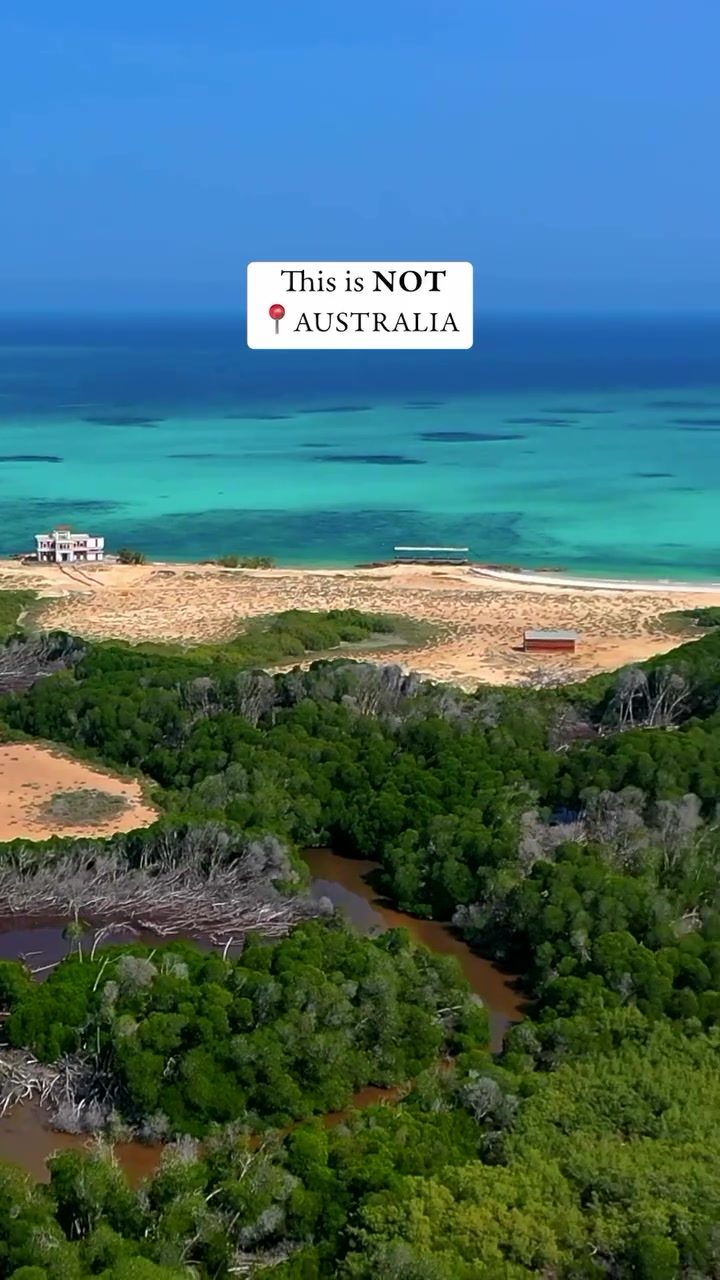
Djibouti: A Hidden Gem in East Africa
Nestled in the heart of East Africa, Djibouti is a small nation that packs a punch with its breathtaking landscapes. This country, often overlooked, offers a variety of natural wonders that seem straight out of a fantasy novel. From shimmering salt flats to extinct volcanoes and even limestone chimneys spewing steam, Djibouti is a paradise for outdoor enthusiasts.
Why This Matters
Djibouti's diverse landscapes make it a unique destination for adventure seekers. The country's geological features, combined with its rich marine life, offer a range of activities that cater to different interests. Whether you're into hiking, diving, or wildlife spotting, Djibouti has something to offer.
Main Discussion
Geological Wonders
Djibouti's geography is a testament to the Earth's dynamic processes. The country is home to several geological marvels that attract visitors from around the world.
Lake Assal
Lake Assal is one of Djibouti's most famous attractions. Located in the Danakil Depression, it is Africa’s lowest point, sitting at 155 meters below sea level. The lake is known for its shimmering salt flats, which create a stunning contrast against the surrounding desert landscape. The salt flats are so vast that they resemble a vast, white desert, making it a surreal experience for visitors.
Extinct Volcanoes and Limestone Chimneys
Djibouti is dotted with extinct volcanoes and limestone chimneys. These geological features add to the country's otherworldly charm. The chimneys, in particular, are a sight to behold. They spew steam, resembling a dragon's breath, adding a dramatic element to the landscape.
Marine Life and Diving
Djibouti's marine life is as stunning as its landscapes. The Gulf of Tadjoura, in particular, is a haven for marine enthusiasts. This body of water is home to a variety of marine species, including whale sharks.
Whale Shark Spotting
Whale sharks are one of the main attractions in the Gulf of Tadjoura. These gentle giants can be spotted swimming alongside divers, offering a once-in-a-lifetime experience. The clear blue waters of the gulf provide an ideal environment for diving, allowing visitors to get up close and personal with these magnificent creatures.
Practical Tips
If you're planning a trip to Djibouti, here are some practical tips to help you make the most of your visit.
Best Time to Visit
The best time to visit Djibouti is during the cooler months, from October to April. During this period, the weather is pleasant, making it ideal for outdoor activities. The summer months, from May to September, can be extremely hot, so it's best to avoid them if you're not accustomed to the heat.
What to Pack
When visiting Djibouti, it's essential to pack light, breathable clothing. A hat, sunscreen, and sunglasses are also necessary to protect yourself from the sun. If you plan on diving or swimming, don't forget to bring your swimwear and diving gear.
Getting Around
The best way to get around Djibouti is by renting a 4x4 SUV. This will allow you to explore the country's diverse landscapes at your own pace.
Important Takeaways
Djibouti is a hidden gem in East Africa that offers a unique blend of geological wonders and marine life. From the shimmering salt flats of Lake Assal to the whale sharks in the Gulf of Tadjoura, the country has something to offer for everyone. Whether you're an adventure seeker or a nature enthusiast, Djibouti is a destination that should be on your bucket list.
Conclusion
Djibouti's diverse landscapes and rich marine life make it a unique destination for adventure seekers. The country's geological wonders, combined with its stunning marine life, offer a range of activities that cater to different interests. Whether you're into hiking, diving, or wildlife spotting, Djibouti has something to offer. So, if you're looking for an otherworldly escape, consider planning a trip to Djibouti and experiencing its natural wonders for yourself.
Watch the Reel
Questions readers ask
What are some must-see natural wonders in Djibouti?
Djibouti is home to a variety of natural wonders. Key attractions include the shimmering Lake Assal, one of the lowest and saltiest points on Earth, and the stunning landscape of the Day Forest National Park, featuring extinct volcanoes and unique flora and fauna. Additionally, the limestone chimneys of the Lac Abbe region, which spew steam, offer a surreal and unforgettable experience.
What kinds of adventure activities can I enjoy in Djibouti?
Djibouti is a paradise for adventure seekers. Activities include hiking through diverse landscapes, diving in the Red Sea to explore rich marine life, and wildlife spotting in national parks. For a unique experience, consider exploring the desert on a 4x4 safari or visiting the steam vents and salt flats.
Is Djibouti suitable for a family vacation?
Yes, Djibouti can be an exciting destination for families. With a variety of landscapes and wildlife, there are plenty of opportunities for exploration and discovery. Guided tours and family-friendly accommodations are available, making it easier to plan a memorable family adventure.
What is the best time to visit Djibouti for outdoor activities?
The best time to visit Djibouti for outdoor activities is during the cooler months, from November to February. During this period, temperatures are more moderate, making it ideal for hiking, desert exploration, and other adventures. However, keep in mind that weather patterns can vary, so it's always a good idea to check local forecasts before planning your trip.
How can I get to Djibouti and what are the local transportation options?
Djibouti-Ambouli International Airport is the main gateway to the country, with flights available from various international destinations. Once in Djibouti, you can use taxis, buses, or rent a car to explore. For adventurous travelers, hiring a 4x4 vehicle with a local guide is recommended for exploring remote areas and natural wonders.
What kind of wildlife can I expect to see in Djibouti?
Djibouti offers a rich diversity of wildlife, including unique bird species, marine life, and even endangered animals. You can spot various bird species in the Day Forest National Park, and marine life enthusiasts can enjoy diving in the Gulf of Tadjoura, where you can see coral reefs, dolphins, and even whales during migration seasons.
Related deep dives
Similar reads based on topic and creator.



Recent articles
Fresh deep dives from the latest Reels we unpacked.




Comments
Be the first to comment.