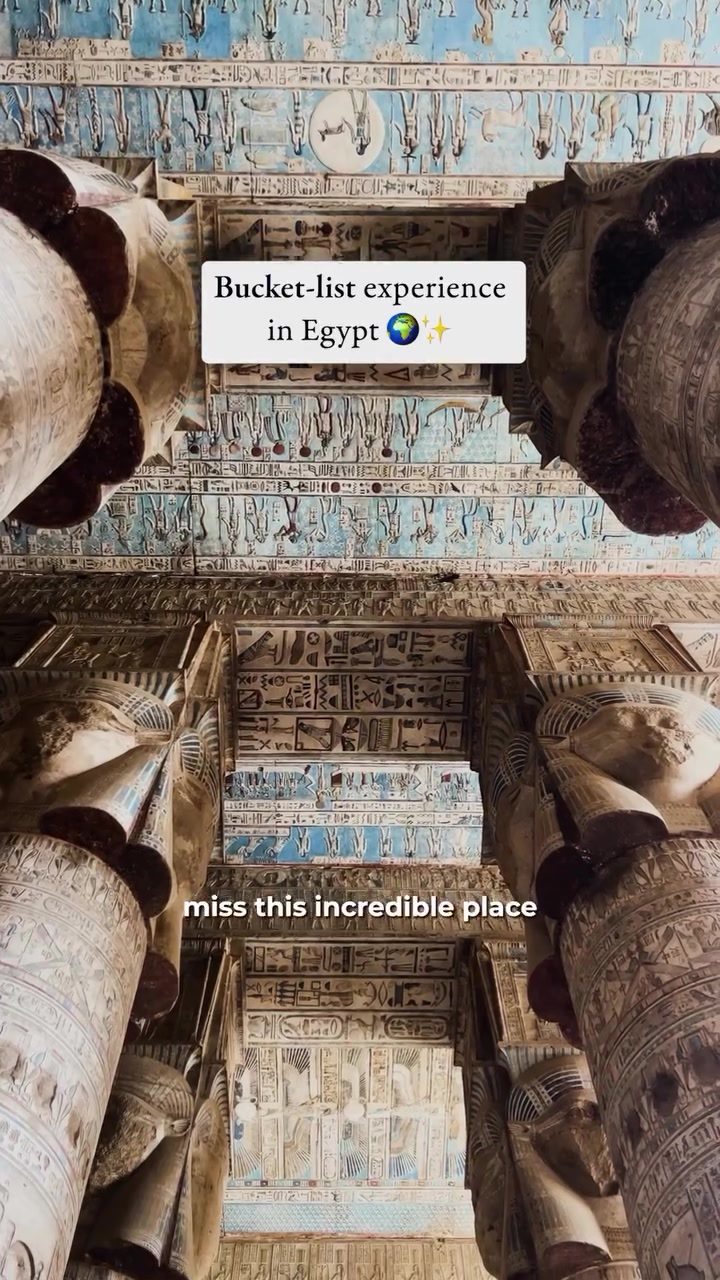
Dendera Temple Complex: An Ancient Treasure outside Luxor
The Dendera Temple Complex offers a remarkable glimpse into ancient Egyptian culture. Located just outside of Luxor, this well-preserved archaeological site is a must-visit for anyone interested in history, architecture, or seeking a unique travel experience. The complex is home to several notable structures, each with its own story to tell.
Context / Why This Matters
Egypt is renowned for its ancient temples, and the Dendera Temple Complex stands out as one of the best-preserved sites. Its proximity to Luxor makes it an accessible destination for those exploring the region. Understanding the significance of this complex provides insight into the religious and cultural practices of ancient Egyptians.
Main Discussion
The Temple of Hathor: A Sanctuary for the Goddess of Love and Beauty
The Temple of Hathor is one of the most prominent structures within the Dendera complex. Dedicated to the goddess Hathor, who embodies love, beauty, and motherhood, this temple is a testament to the divine significance in ancient Egyptian life. The intricate carvings and hieroglyphs on the walls depict scenes from the goddess's mythology and her role in the afterlife. The ceiling, once covered in soot from centuries of fires, has been carefully restored to reveal vibrant, detailed paintings. Within the temple, visitors can explore the Hathoric Crypt, which is believed to have been a sacred place for initiations and rituals.
The Mammisi: Celebrating Divine Birth
The Mammisi, or House of the Birth, is dedicated to the divine birth of Hathor's child. This structure is adorned with reliefs and carvings that depict the birth of the god Horus, who is often associated with kingship and protection. The architectural design of the Mammisi is unique, featuring columns and walls covered in intricate hieroglyphs that narrate the story of Hathor and Horus. It's a fascinating place for those interested in ancient Egyptian mythology and its connection to royal lineages.
The Sacred Lake: A Site for Ancient Rituals
The Sacred Lake, located within the temple complex, was once used for ancient rituals and purification ceremonies. This body of water, considered holy, played a crucial role in the religious practices of the time. It is believed that the lake was used for ritual baths, cleansing ceremonies, and other sacred rituals associated with the temple's religious activities. Today, the lake serves as a tranquil spot for visitors to reflect and appreciate the serene beauty of the complex.
Practical Tips
Planning Your Visit
The Dendera Temple Complex is situated about 2.5 kilometers from the main town, making it easily accessible for day trips. Visitors are advised to allocate 2-4 hours for a comprehensive exploration of the site, especially if they want to delve into the architectural details and hieroglyphs. Early morning visits are recommended to avoid the midday heat and enjoy a more peaceful experience.
Guided Tours and Insights
While the complex is open to independent exploration, hiring a knowledgeable guide can significantly enhance your understanding of the site. Local guides bring the temple's rich history to life, revealing the deeper meanings behind the architecture and artwork. They can provide insights into the religious practices, historical context, and the significance of various structures within the complex.
Considerations for the Best Experience
For those planning a visit, here are a few additional tips:
- Weather: The best time to visit is during the cooler months, from October to April, to avoid the intense heat of summer.
- Prepare for the Heat: If visiting during the summer, carry plenty of water, wear a hat, and apply sunscreen to protect yourself from the sun.
- Comfortable Footwear: Given the extensive walking involved, comfortable shoes are a must.
Important Takeaways
The Dendera Temple Complex is more than just an ancient site; it is a living testament to the cultural and religious heritage of ancient Egypt. The temple's intricate design, detailed hieroglyphs, and historical significance offer a unique and enriching experience for visitors. Whether you are a history enthusiast, an architecture aficionado, or simply seeking a memorable travel experience, the Dendera Temple Complex has something to offer for everyone.
The Temple of Hathor, the Mammisi, and the Sacred Lake each provide a window into the rich tapestry of ancient Egyptian life. The care taken to preserve and restore these structures ensures that future generations can continue to appreciate and learn from these remarkable sites.
A visit to the Dendera Temple Complex is an opportunity to immerse yourself in the mysteries of ancient Egypt, to walk in the footsteps of the pharaohs, and to connect with the enduring legacy of this remarkable civilization.
Conclusion
The Dendera Temple Complex, with its ancient treasures, intricate architecture, and rich history, is a must-visit destination for anyone traveling to Egypt. The temple's well-preserved structures, combined with the serene beauty of the Sacred Lake, offer a unique and unforgettable experience. Whether you are a history buff, an adventurer, or simply seeking a moment of tranquility, the Dendera Temple Complex promises a journey through time that will leave you captivated and inspired.
Watch the Reel
Questions readers ask
What is the Dendera Temple Complex and why is it significant?
The Dendera Temple Complex is an ancient Egyptian site located near Luxor, notable for its exceptional preservation. It's significant due to its intricate carvings, hieroglyphs, and historical insights into the religious practices of ancient Egyptians. The complex includes several structures, with the Temple of Hathor being the most famous.
How far is the Dendera Temple Complex from Luxor?
The Dendera Temple Complex is approximately 60 kilometers (37 miles) north of Luxor, making it a convenient day trip for visitors exploring the area. The journey typically takes around 1 to 1.5 hours by car, depending on traffic and travel conditions.
What are some must-see features at the Dendera Temple Complex?
Some must-see features include the Temple of Hathor, renowned for its stunning architecture and reliefs, as well as the birth house where Cleopatra and Caesar's son was believed to have been born. Additionally, the complex is known for its intricate hieroglyphs and well-preserved carvings, offering a deep dive into ancient Egyptian culture.
Are guided tours available at the Dendera Temple Complex?
Yes, guided tours are available and highly recommended. These tours, often led by experienced, local guides, provide in-depth information about the temple's history, its role in ancient Egyptian culture and the symbols depicted in its architecture. Private tours are also available for a more personalized experience.
What is the best time to visit the Dendera Temple Complex?
The best time to visit is during the cooler months, from October to April, when temperatures are more comfortable for exploring the outdoor sites. Early morning or late afternoon visits can help you avoid the midday heat, adding to the experience.
How can I reach the Dendera Temple Complex from Cairo?
The Dendera Temple Complex is a significant journey from Cairo, approximately 670 kilometers (416 miles) away. You can reach it by flying to Luxor International Airport or taking an overnight train, then arranging a private tour or a taxi to the temple complex. This journey makes Dendera a popular stop on ancient Egypt tours.
What should I wear when visiting the Dendera Temple Complex?
When visiting, dress modestly and comfortably. Wear light, breathable clothing and a hat to protect from the sun. Comfortable walking shoes are essential, as the site involves a lot of walking. Don't forget to pack sunscreen and water to stay hydrated during your exploration.
Related deep dives
Similar reads based on topic and creator.




Recent articles
Fresh deep dives from the latest Reels we unpacked.




Comments
Be the first to comment.